

US and China struggle to define 'constructive' relationship amid deep-seated differences
Translated from English, summarized and contextualized by DistantNews.
At a glance
News
Named sources
Context piece
- China and the U.S. agreed to establish a "constructive" relationship but deep differences leave its future uncertain.
- Both sides lack consensus on what "strategic stability" means, hindering progress on potential deliverables for Xi Jinping's U.S. visit.
- Communication channels, particularly between militaries, are stalled, raising concerns about crisis response in flashpoints like the South China Sea and Taiwan Strait.
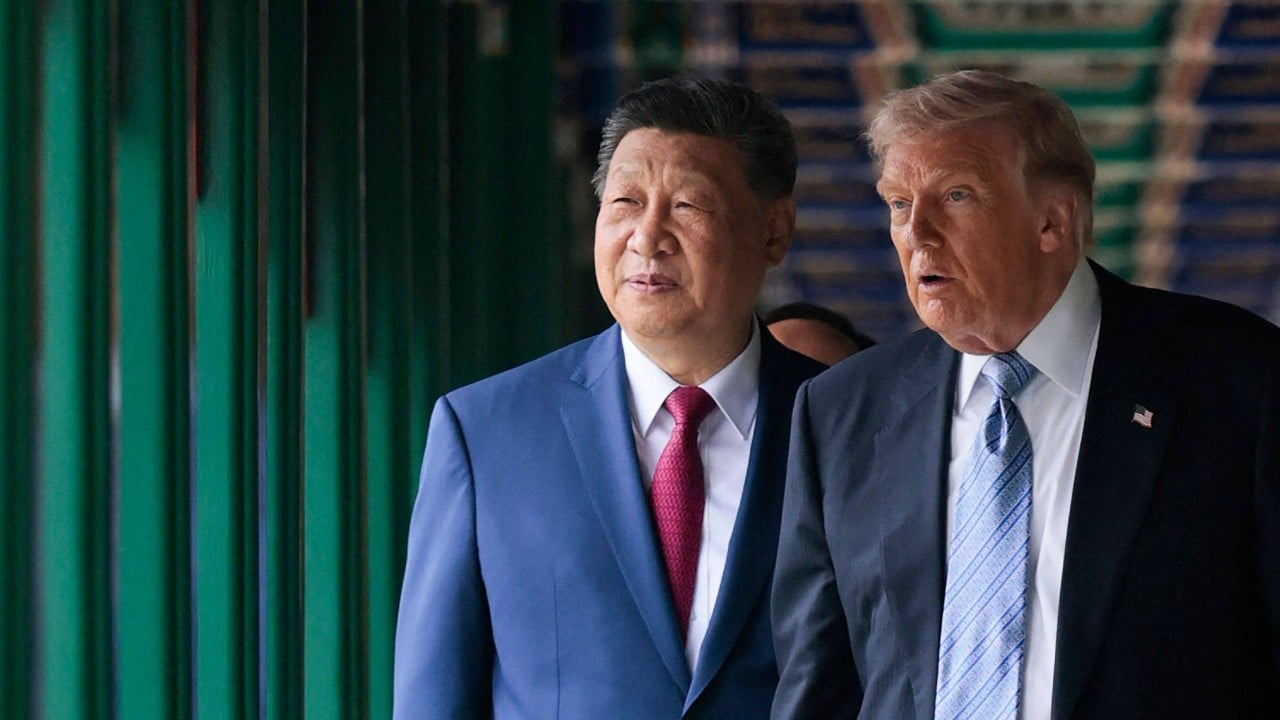
Despite an agreement to establish a "constructive" relationship characterized by "strategic stability," deep-seated differences between China and the United States cast a shadow over the future shape of their bilateral ties, a forum in Beijing heard Saturday.
The two leaders have reached the consensus to establish a constructive relationship of strategic stability, but both sides do not have a shared consensus as for what exactly it means.
Sun Yun, director of the China program at the Stimson Centre, noted that while the leaders have agreed on the framework, there is no shared understanding of what "strategic stability" entails. This lack of consensus complicates efforts to identify concrete deliverables for a potential visit by President Xi Jinping to the U.S. later this year, as such trips typically require a list of agreed-upon outcomes.
A fundamental divergence in priorities further complicates matters. Beijing emphasizes constructive aspects like cooperation, while Washington is more focused on managing disputes. For the U.S., establishing regular communication channels between their militaries is a paramount concern.
For the U.S., the most important issue was to establish regular communication channels between their militaries.
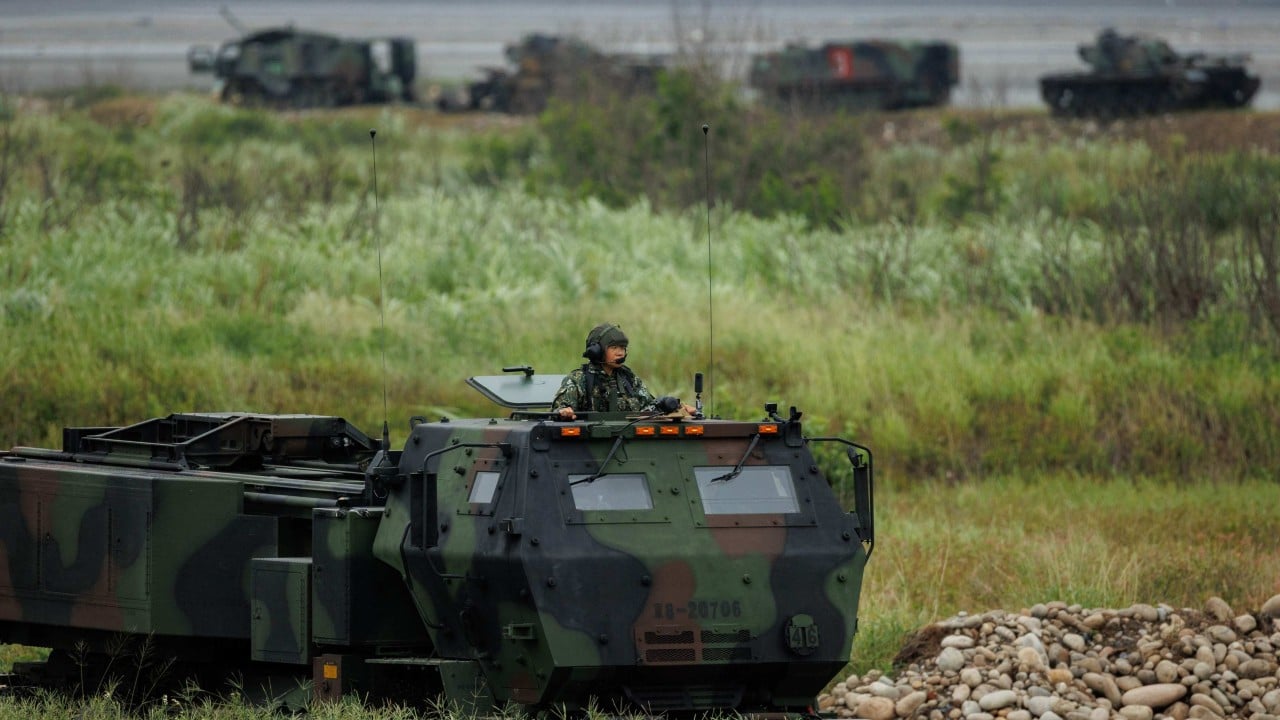
Sun highlighted an urgent need to improve operational-level communication, especially between the U.S. Pacific Command and its Chinese counterparts. This is crucial for ensuring a swift response to any crisis in flashpoints such as the South China Sea or the Taiwan Strait. The stalled plans for U.S. defense undersecretary Elbridge Colby to visit China this year were cited as further evidence of these clogged communication channels.
There was an urgent need to improve operational-level communication channels – especially one between the U.S. Pacific Command and its Chinese counterparts – to ensure a swift response to any crisis in flashpoints such as the South China Sea or Taiwan Strait.
DistantNews Editorial
Originally published by South China Morning Post in English. Translated, summarized, and contextualized by our editorial team with added local perspective. Read our editorial standards.
More Stories
From Our Blog

Countries Without a Free Press: What You Need to Know

What Press Freedom Means for the News You Read

What Gets Lost (and Found) When News Is Translated

The Critical Role of Diaspora Media in Global News

What Travellers Should Know About Countries with Restricted Press
