


US and Japan challenge China's rare metal dominance by mining ocean floor
Translated from Romanian, summarized and contextualized by DistantNews.
At a glance
News
Sources not specified
Ongoing story
- The U.S. and Japan are planning to extract rare metals from the ocean floor near Japan's Minami-Torishima island.
- This deep-sea mining project aims to counter China's dominance in the rare metals market, which it currently controls at 90%.
- The project faces significant technological challenges due to extreme depths and potential environmental impacts, with experimental extraction planned for 2027.
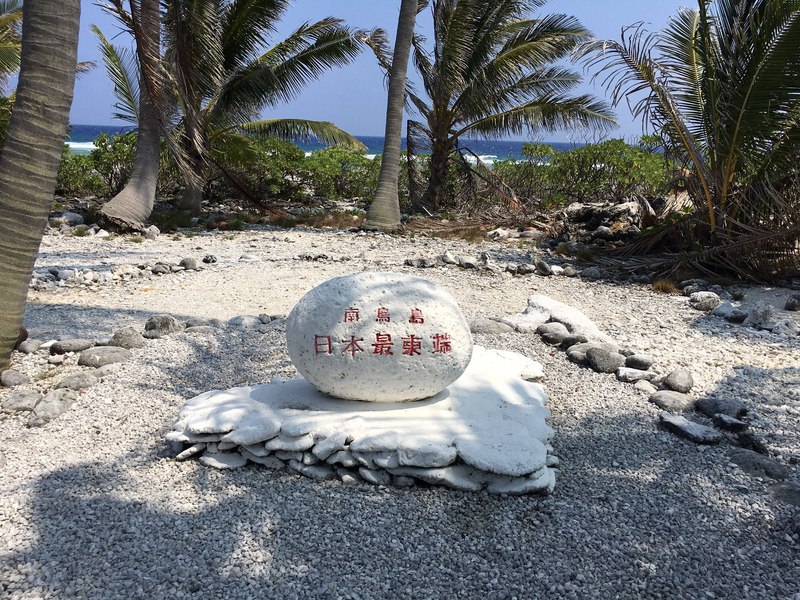
The United States and Japan are moving forward with plans to extract rare metals from the ocean floor, a venture that could reshape global supply chains and challenge China's current market dominance. The proposed mining site is located near Minami-Torishima island, Japan's easternmost point.
According to reports, the project aims to establish the world's deepest underwater mine, targeting vast reserves estimated at over 16 million tons of rare metals. These materials are crucial for producing electric vehicles, semiconductors, high-power magnets, and military equipment. For instance, the identified yttrium reserves alone could supply global demand for 780 years.
If successful, this initiative would create an integrated supply chain from extraction to magnet production, directly confronting China's current control over approximately 90% of the global rare metals supply. This strategic move is seen as a way to secure critical resources and reduce reliance on a single dominant supplier.
However, the endeavor is fraught with significant technological hurdles. The mineral deposits lie at depths of about six kilometers, where pressures are hundreds of times greater than atmospheric pressure. Furthermore, the potential environmental impact on deep-sea ecosystems remains largely unknown, as research in these extreme environments is limited.
Despite these challenges, collaboration is underway. Japanese research has paved the way, and several U.S. companies, including Deep Reach Technology, have expressed interest. An experimental large-scale extraction is scheduled for February 2027, with a commercialization plan expected by the end of 2028.
DistantNews Editorial
Originally published by Adevărul in Romanian. Translated, summarized, and contextualized by our editorial team with added local perspective. Read our editorial standards.
More Stories



From Our Blog

What Gets Lost (and Found) When News Is Translated

The Critical Role of Diaspora Media in Global News

What Travellers Should Know About Countries with Restricted Press

A Digital Nomad's Guide to Following Local News

How the Same Story Looks Different in Different Countries
