


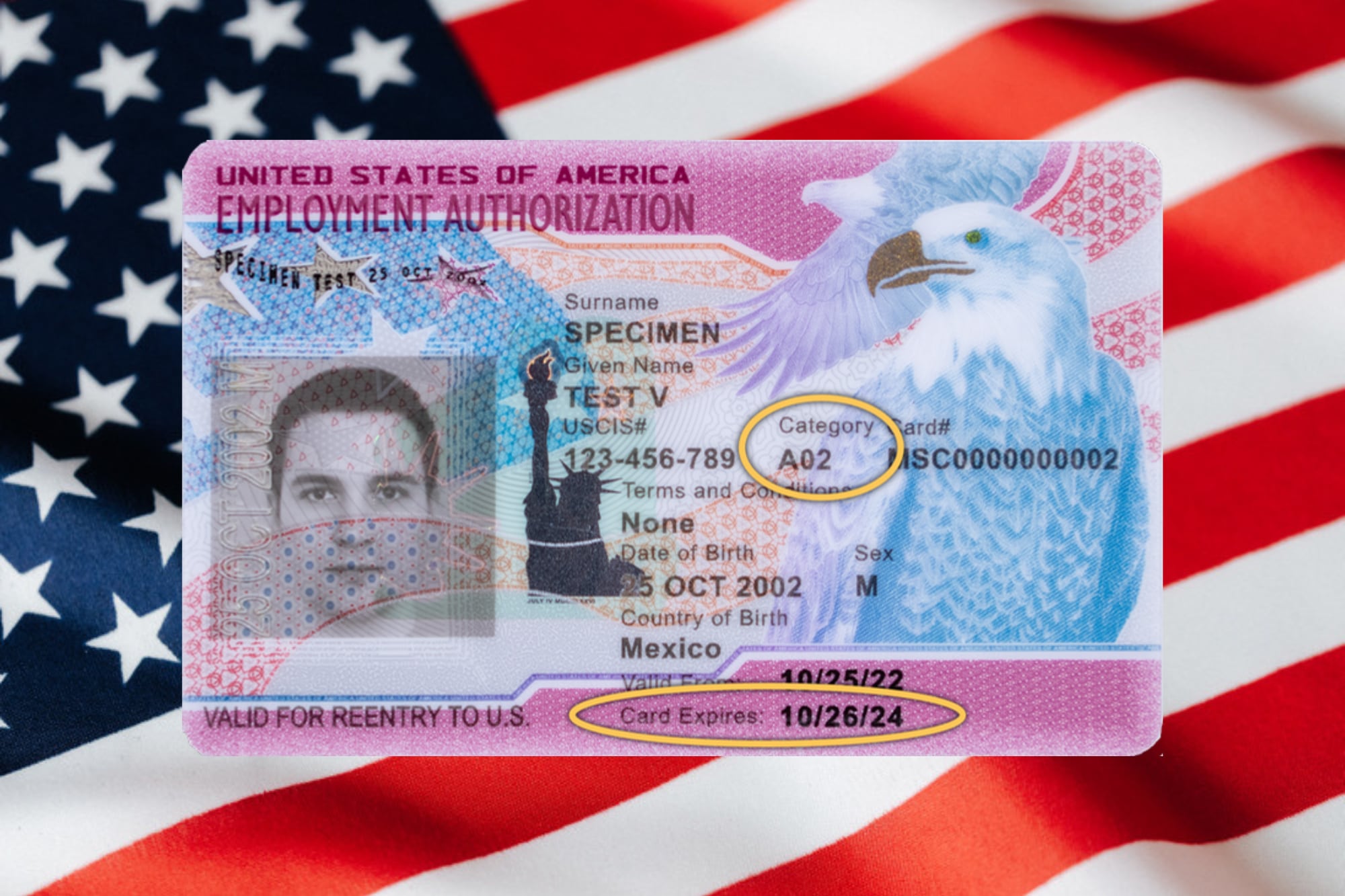
US asylum seekers face mandatory fee or risk losing cases, work permits
Translated from Spanish, summarized and contextualized by DistantNews.
At a glance
News
Official statement
Context piece
- Asylum seekers in the U.S. must pay an annual fee of $102 to avoid losing their case and work permits.
- This fee, adjusted for inflation, was implemented under the Trump administration and is required for cases pending over a year.
- Failure to pay the fee can lead to the rejection of applications, loss of work permits, and initiation of deportation proceedings.
Asylum seekers in the United States must be aware of mandatory fees that could cause them to lose their cases and work permits. The U.S. Citizenship and Immigration Services (USCIS) currently requires an annual payment of $102 as part of a measure introduced during the Donald Trump administration.
Under the updated USCIS regulations, asylum applicants with cases pending for more than a year are subject to this fee, which is adjusted for inflation. This payment is necessary to ensure their immigration process continues without interruption. Applicants are typically notified by mail on how to make the payment, making it crucial for them to maintain updated addresses with USCIS and immigration courts.
The asylum fee was established by the Trump administration under H.R.1, also known as the One Big Beautiful Bill Act. The Department of Homeland Security (DHS) stated the fee's purpose is to fund immigration control operations and ensure that non-citizens contribute to the cost of immigration services. The final rule became effective on May 29, 2026, meaning all individuals with pending cases must comply with the payment requirement from that date onward.
USCIS will reject any Form I-102 submitted without the corresponding filing fee if its postmark is May 29, 2026, or later. Furthermore, under the new regulations, USCIS will retain the filing fee for Form I-589 if the agency rejects the application due to improper submission. The DHS emphasized that failure to pay the Asylum Applicant Fee (AAF) could result in the rejection of the application and potentially lead to deportation proceedings if the individual lacks legal status in the U.S.
DistantNews Editorial
Originally published by La Nación in Spanish. Translated, summarized, and contextualized by our editorial team with added local perspective. Read our editorial standards.
More Stories


From Our Blog

What Gets Lost (and Found) When News Is Translated

The Critical Role of Diaspora Media in Global News

What Travellers Should Know About Countries with Restricted Press

A Digital Nomad's Guide to Following Local News

How the Same Story Looks Different in Different Countries
