

US Believes Iran's Supreme Leader Mojtaba Khamenei is Alive and Increasingly Active
Translated from Croatian, summarized and contextualized by DistantNews.
At a glance
News
Named sources
Ongoing story
- The United States believes Iran's supreme leader, Mojtaba Khamenei, is alive and increasingly involved in governing the country.
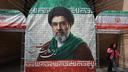
- Khamenei reportedly succeeded his father, Ali Khamenei, who was killed in an Israeli attack, and has not appeared publicly since, communicating only through written messages.
- Indirect negotiations between the U.S. and Iran to end the war are stalled, with the U.S. expressing hope for a deal but acknowledging that Iran's nuclear program concessions do not guarantee an agreement.
The United States asserts that Iran's supreme leader, Mojtaba Khamenei, is alive and playing an expanding role in the nation's governance. This comes as indirect negotiations between the U.S. and Iran aimed at ending the ongoing war remain stalled. U.S. Secretary of State Marco Rubio stated that there are indications of Mojtaba Khamenei's increasing involvement, though all his communication is reportedly in written form and relayed through third parties, highlighting difficulties in internal government messaging.
I think there are signs that he is increasingly involved at some level, although all his communication is in writing and through third parties.
Mojtaba Khamenei is said to have taken over leadership after his father, Ali Khamenei, was killed in an Israeli attack early in the conflict. Since then, he has not made any public appearances and reportedly communicates solely through written messages, according to Agence France-Presse. This clandestine communication method adds a layer of opacity to the leadership structure.
Rubio expressed continued hope for a resolution to the war, though he provided no specific timeline, suggesting a deal could materialize soon. He noted that Iran has agreed to negotiate aspects of its nuclear program, a shift from previous stances, but cautioned that this does not guarantee a final, acceptable agreement. The U.S. official also linked the potential unblocking of Iranian ports to Iran's actions regarding the Strait of Hormuz, clarifying that this is separate from sanctions relief, which remains contingent on the nuclear deal.
They have accepted to negotiate certain aspects of their nuclear program, which they did not agree to before.
The indirect talks between the U.S. and Iran, initiated after a joint Israeli-American attack on February 28, have been in a state of inertia for weeks. The lack of progress in these negotiations, coupled with the uncertainty surrounding Iran's leadership, complicates efforts to de-escalate the conflict.
If they open Hormuz, we will unblock Iranian ports.
DistantNews Editorial
Originally published by Večernji List in Croatian. Translated, summarized, and contextualized by our editorial team with added local perspective. Read our editorial standards.
More Stories


From Our Blog

What Gets Lost (and Found) When News Is Translated

The Critical Role of Diaspora Media in Global News

What Travellers Should Know About Countries with Restricted Press

A Digital Nomad's Guide to Following Local News

How the Same Story Looks Different in Different Countries
