



US bond selloff resumes despite Treasury intervention pledge
Translated from English, summarized and contextualized by DistantNews.
At a glance
News
Named sources
Context piece
- U.S. Treasury bond yields rose Thursday, despite Treasury Secretary Scott Bessent's pledge to intervene further to lower borrowing costs.
- All three major U.S. stock indices fell, with the Dow Jones leading the decline, while oil prices jumped over two percent.
- Analysts attribute the rising yields to factors including high oil prices from the Iran war, AI investment costs, and significant government debt issuance, with skepticism about the effectiveness of bond buybacks.
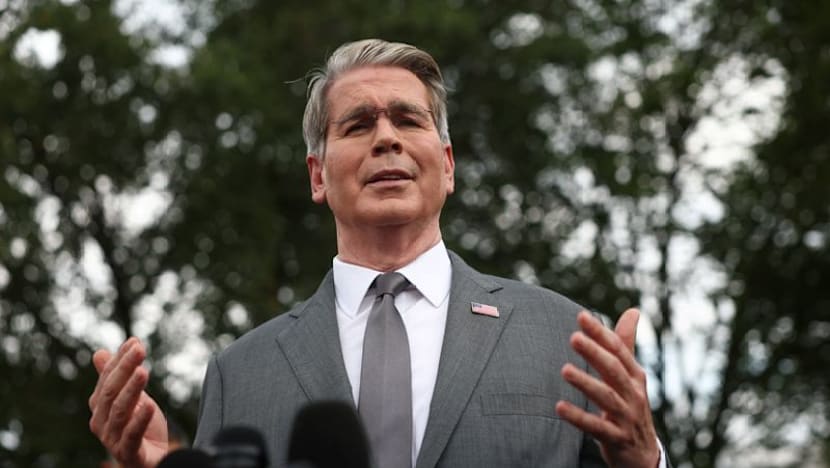
U.S. Treasury bond yields climbed on Thursday, even as Treasury Secretary Scott Bessent signaled a willingness to intervene further to curb borrowing costs. The renewed rise in yields occurred despite the Treasury Department's recent announcement to at least double its sovereign bond buybacks.
We think that this is a thinly traded area of the market, that we're in August, and there's been a lot of corporate issuance that's influenced the market. We believe that the yields don't reflect the underlying fundamentals.
The market's reaction suggests skepticism about the efficacy of the Treasury's plan. Yields on the 30-year U.S. Treasury bond ticked higher, surpassing Wednesday's levels and remaining below Tuesday's peak. Bessent stated that the Treasury possesses a "big toolkit" to address yields he believes are detached from financial conditions, hinting at potential measures beyond increased bond purchases.
We think that this is a thinly traded area of the market, that we're in August, and there's been a lot of corporate issuance that's influenced the market. We believe that the yields don't reflect the underlying fundamentals.
All three major U.S. stock indices experienced significant declines. The Dow Jones Industrial Average saw the steepest fall, dropping 1.3 percent. This market weakness coincided with a more than two percent jump in oil prices, fueled by ongoing tensions between the U.S. and Iran over the Strait of Hormuz.
We think that this is a thinly traded area of the market, that we're in August, and there's been a lot of corporate issuance that's influenced the market. We believe that the yields don't reflect the underlying fundamentals.
Analysts point to a confluence of factors driving the bond selloff. These include elevated oil prices linked to the Iran conflict, substantial investment in artificial intelligence, and a large volume of U.S. government debt issuance to cover the deficit. Uncertainty surrounding new Federal Reserve Chair Kevin Warsh's communication strategy also contributes to market unease. In contrast, Asian markets rallied, with Seoul and Tokyo showing strong gains, partly due to significant share buyback announcements from chipmakers like SK Hynix and Samsung.
We think that this is a thinly traded area of the market, that we're in August, and there's been a lot of corporate issuance that's influenced the market. We believe that the yields don't reflect the underlying fundamentals.
DistantNews Editorial
Originally published by CNA in English. Translated, summarized, and contextualized by our editorial team with added local perspective. Read our editorial standards.
More Stories


From Our Blog

What Gets Lost (and Found) When News Is Translated

The Critical Role of Diaspora Media in Global News

What Travellers Should Know About Countries with Restricted Press

A Digital Nomad's Guide to Following Local News

How the Same Story Looks Different in Different Countries
