


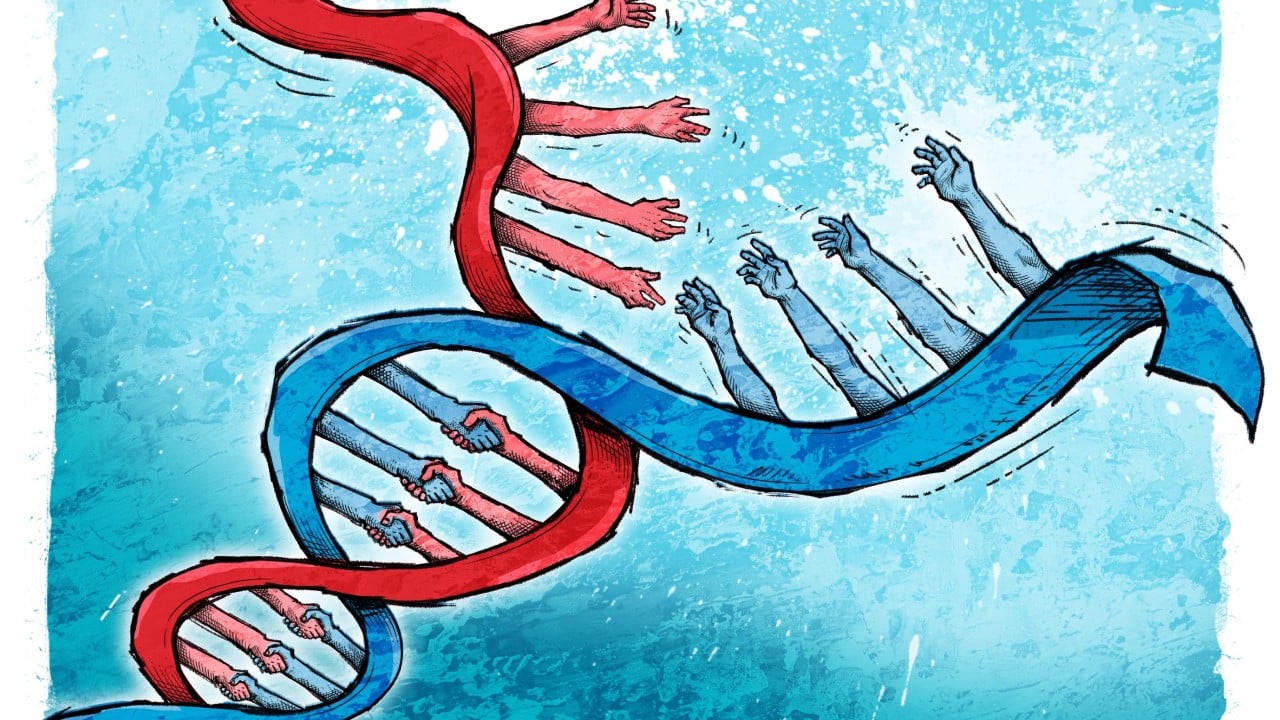
US-China scientific decoupling: the hidden costs of geopolitical rivalry
Summarized and contextualized by DistantNews.
At a glance
News
Sources not specified
Context piece
- US Congress is considering a proposal to ban federal research funds for collaborations with certain Chinese entities.
- This potential ban has caused concern among academics and those in the academic publishing industry.
- The move reflects a broader trend of scientific decoupling between the US and China, driven by geopolitical rivalry.
As the United States approaches its 250th anniversary, its relationship with China looms large over the global order. A series of articles is examining the multifaceted ties between the two powers, from technology to soft power. This piece focuses on the scientific collaboration between the two nations.
This is absurd.
Concerns are mounting over a US congressional proposal that could prohibit American research institutions from using federal funds to collaborate with specific Chinese entities. Zhang Ning, founder of TopEdit, a company that edits academic publications, expressed dismay upon learning of the proposal. "This is absurd," she stated during a meeting of the Society for Scholarly Publishing in San Diego.
My first reaction was: is this real? It is ridiculous.
Zhang described her initial reaction as disbelief, questioning the reality of the proposal. She lamented that even if the bill fails, the global atmosphere feels increasingly irrational. This sentiment highlights the growing tension and uncertainty surrounding international scientific cooperation amidst geopolitical rivalries.
it feels as though the world is becoming increasingly irrational
DistantNews Editorial
Originally published by South China Morning Post. Summarized and contextualized by our editorial team with added local perspective. Read our editorial standards.
More Stories
From Our Blog

Countries Without a Free Press: What You Need to Know

What Press Freedom Means for the News You Read

What Gets Lost (and Found) When News Is Translated

The Critical Role of Diaspora Media in Global News

What Travellers Should Know About Countries with Restricted Press
