

US Commander Urged Trump to Halt Iran Strikes, Citing Ineffectiveness
Translated from Greek, summarized and contextualized by DistantNews.
At a glance
News
Named sources
Outcome reported
- U.S. Central Command chief Admiral Brad Cooper recommended halting strikes against Iran, deeming operations ineffective.
- Cooper's assessment, citing weakened Iranian capabilities and depleted targets, influenced President Trump's decision to pause attacks.
- The U.S. is pursuing diplomatic channels with Oman for safe passage through the Strait of Hormuz.
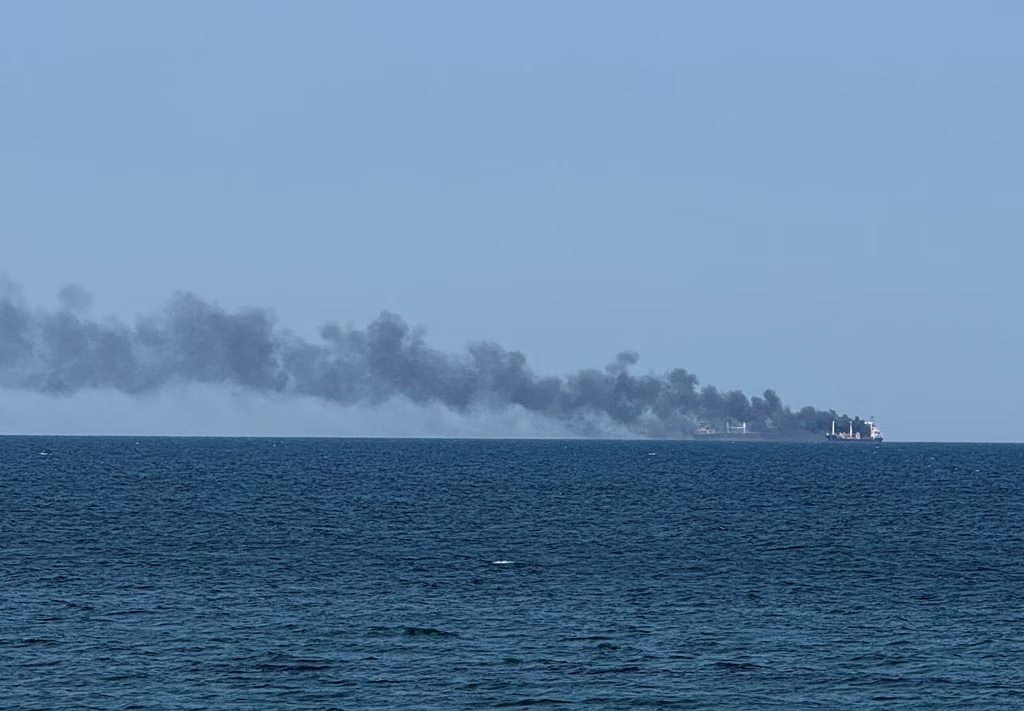
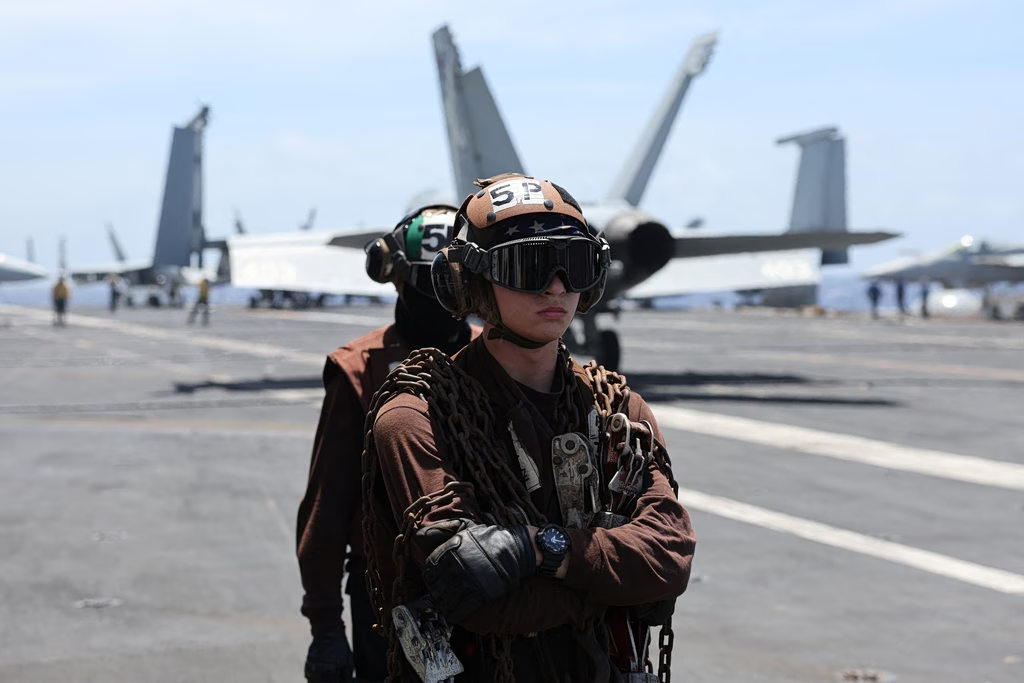
U.S. military operations targeting Iran have been temporarily halted following a recommendation from the top commander in the Middle East. Admiral Brad Cooper, head of U.S. Central Command (CENTCOM), advised pausing American airstrikes in the Strait of Hormuz area, assessing that the operations had reached their effectiveness limits.
According to sources familiar with his recommendations, Cooper argued that two weeks of continuous strikes had significantly degraded Iran's ability to attack commercial vessels. He noted that most pre-determined targets had already been destroyed, diminishing the strategic value of continuing the limited campaign without a broader political decision for escalation.
Cooper's assessment, alongside input from other military and civilian advisors, reportedly swayed President Donald Trump's decision. Trump ordered a temporary cessation of U.S. attacks against Iranian targets on the southern coast and in the Strait of Hormuz. This decision came after a meeting where a new operational plan was presented.
While Trump had previously appeared ready to restart large-scale military operations, he began reconsidering his stance. The final decision to pause the bombings was solidified on Friday. CENTCOM officials declined to comment on the specifics of these reports.
Meanwhile, diplomatic efforts continue between Iran and Oman to secure a new agreement for the safe reopening of the Strait of Hormuz for commercial shipping, aiming to prevent further attacks on maritime traffic.
DistantNews Editorial
Originally published by Ta Nea in Greek. Translated, summarized, and contextualized by our editorial team with added local perspective. Read our editorial standards.
More Stories


From Our Blog

What Gets Lost (and Found) When News Is Translated

The Critical Role of Diaspora Media in Global News

What Travellers Should Know About Countries with Restricted Press

A Digital Nomad's Guide to Following Local News

How the Same Story Looks Different in Different Countries
