

US declares Western Hemisphere a 'Homeland Security Zone' to counter China's growing influence
Translated from English, summarized and contextualized by DistantNews.
At a glance
News
Sources not specified
Context piece
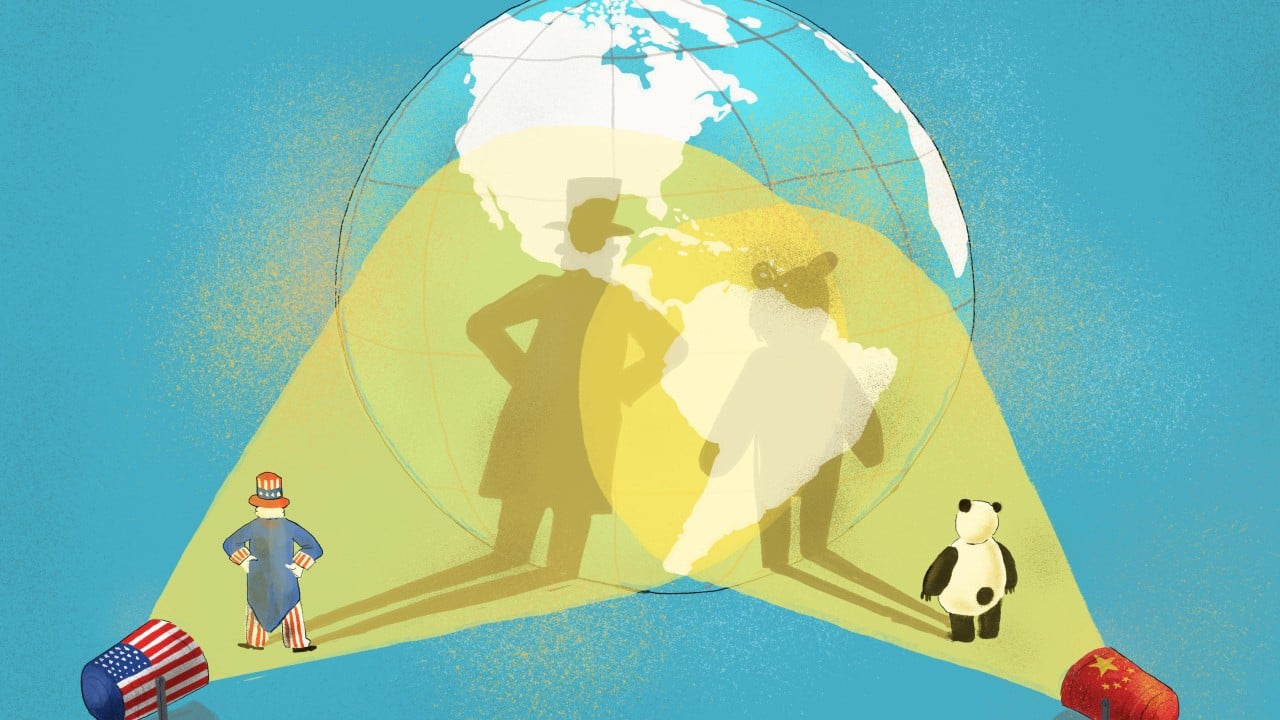
- The United States is reasserting its influence in the Western Hemisphere, designating it a "Homeland Security Zone" to counter China's growing presence.
- This strategy, dubbed the "Trump Corollary" to the Monroe Doctrine, signals a renewed focus on great-power competition in the Americas.
- China responded by releasing a policy paper on Latin America, rejecting "hegemonism" and asserting its ties are not dictated by any third party.
As the United States approaches its 250th anniversary, it faces a complex global landscape where its relationship with China is a central challenge. This dynamic is particularly evident in the Western Hemisphere, a region long considered America's sphere of influence.
do whatever they wanted
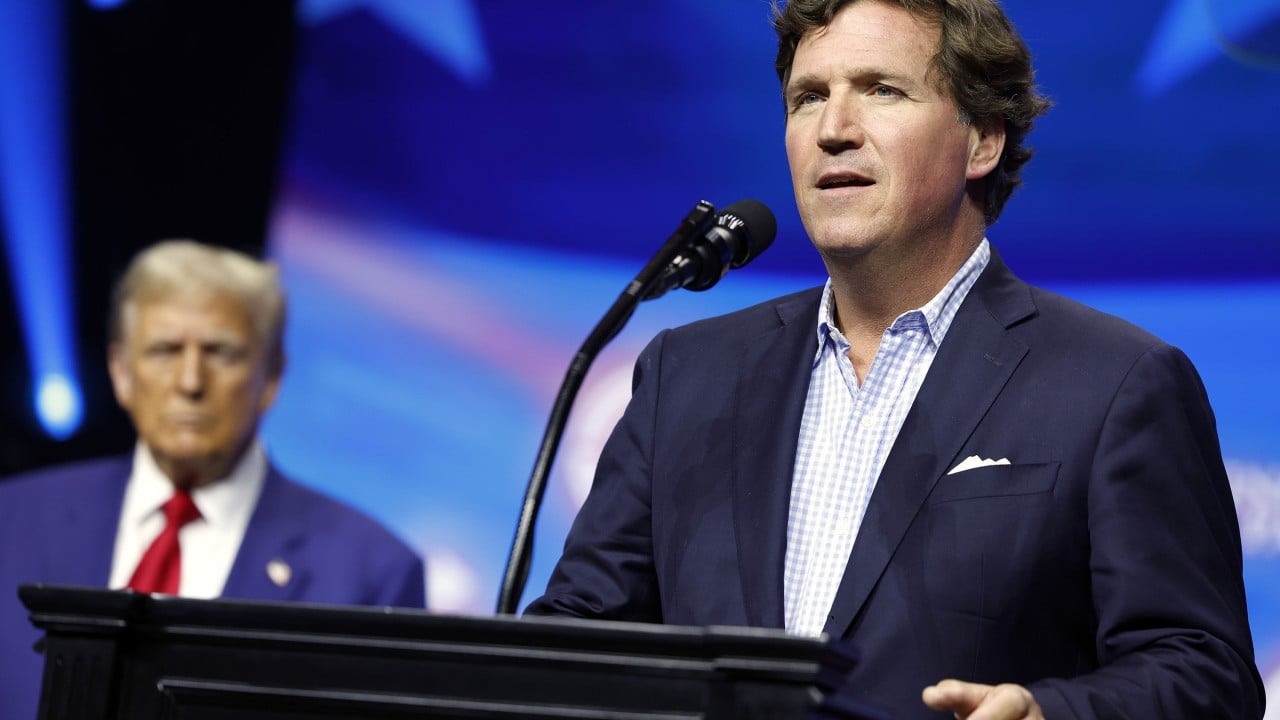
Former President Donald Trump's earlier dismissiveness towards China's influence in Brazil and Mexico has given way to a more assertive stance. The White House recently declared the Western Hemisphere an American "Homeland Security Zone," a move officials framed as a modern interpretation of the Monroe Doctrine, aimed at preventing rival powers, specifically China, from gaining control of strategic assets near U.S. shores.
blowing everyone away, including China
Beijing swiftly countered this declaration with its third policy paper on Latin America. While not directly naming the U.S., the paper condemned "hegemonism and power politics" and "unilateral bullying," emphasizing that China's regional partnerships are independent of any external influence. This exchange highlights the Americas' re-emergence as a key arena for global power competition, testing the limits of long-standing U.S. dominance.
Homeland Security Zone
DistantNews Editorial
Originally published by South China Morning Post in English. Translated, summarized, and contextualized by our editorial team with added local perspective. Read our editorial standards.
More Stories
From Our Blog

Countries Without a Free Press: What You Need to Know

What Press Freedom Means for the News You Read

What Gets Lost (and Found) When News Is Translated

The Critical Role of Diaspora Media in Global News

What Travellers Should Know About Countries with Restricted Press
