


US drone flew near Japan 45 minutes before North Korean missile launch; China's coast also monitored
Translated from Korean, summarized and contextualized by DistantNews.
At a glance
News
Sources not specified
Context piece
- A U.S. MQ-9B SeaGuardian drone conducted surveillance near Japan's Shimane Prefecture approximately 45 minutes before North Korea launched a ballistic missile on July 12.
- The U.S. military's surveillance assets were actively monitoring the Korean Peninsula and surrounding waters, potentially detecting the launch in advance.
- Simultaneously, a U.S. Bombardier 'ARES' reconnaissance aircraft flew along China's eastern coast, raising questions about coordinated ISR activities targeting both North Korea and China.
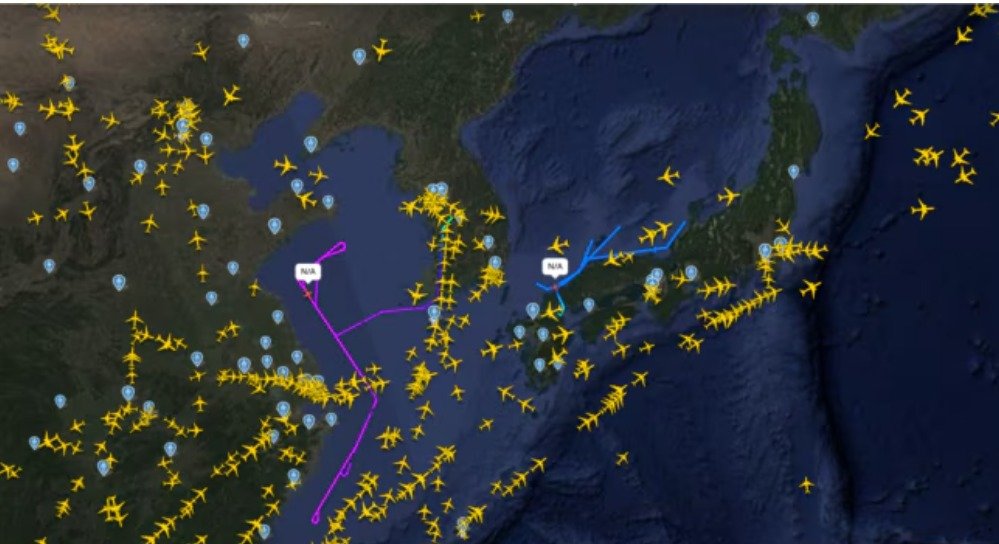
U.S. military surveillance aircraft were actively operating in the vicinity of the Korean Peninsula and surrounding waters shortly before North Korea launched a ballistic missile on July 12. An MQ-9B SeaGuardian drone was observed conducting reconnaissance activities in waters near Shimane Prefecture, Japan, around 5:15 a.m. local time, according to Flightradar24 data.
North Korea fired a ballistic missile into the East Sea approximately 45 minutes after the SeaGuardian's observed flight path. This timing suggests the U.S. military may have had advance notice of the missile launch through its intelligence, surveillance, and reconnaissance (ISR) assets. The SeaGuardian, capable of long-duration flights and equipped with advanced radar and electronic intelligence gathering equipment, is frequently utilized for maritime surveillance.
Adding another layer to the ISR activity, a U.S. Bombardier 'ARES' reconnaissance aircraft was tracked flying along China's eastern coastline. Departing from Pyeongtaek, South Korea, the ARES aircraft moved north along the coast, maintaining a distance from the Chinese mainland and reaching the vicinity of Shandong Province. This flight occurred around the same time the SeaGuardian was active near the Korean Peninsula.
While the specific coordination between these two reconnaissance missions remains unconfirmed, their simultaneous operation has drawn attention. The repeated sightings of U.S. reconnaissance aircraft near China's coast, including previous flights by the ARES in late June, have led to speculation that U.S. Forces Korea may be expanding its ISR scope beyond North Korean threats to include monitoring Chinese military activities, potentially as part of 'strategic flexibility' initiatives.
DistantNews Editorial
Originally published by Dong-A Ilbo in Korean. Translated, summarized, and contextualized by our editorial team with added local perspective. Read our editorial standards.
More Stories


From Our Blog

What Gets Lost (and Found) When News Is Translated

The Critical Role of Diaspora Media in Global News

What Travellers Should Know About Countries with Restricted Press

A Digital Nomad's Guide to Following Local News

How the Same Story Looks Different in Different Countries
