


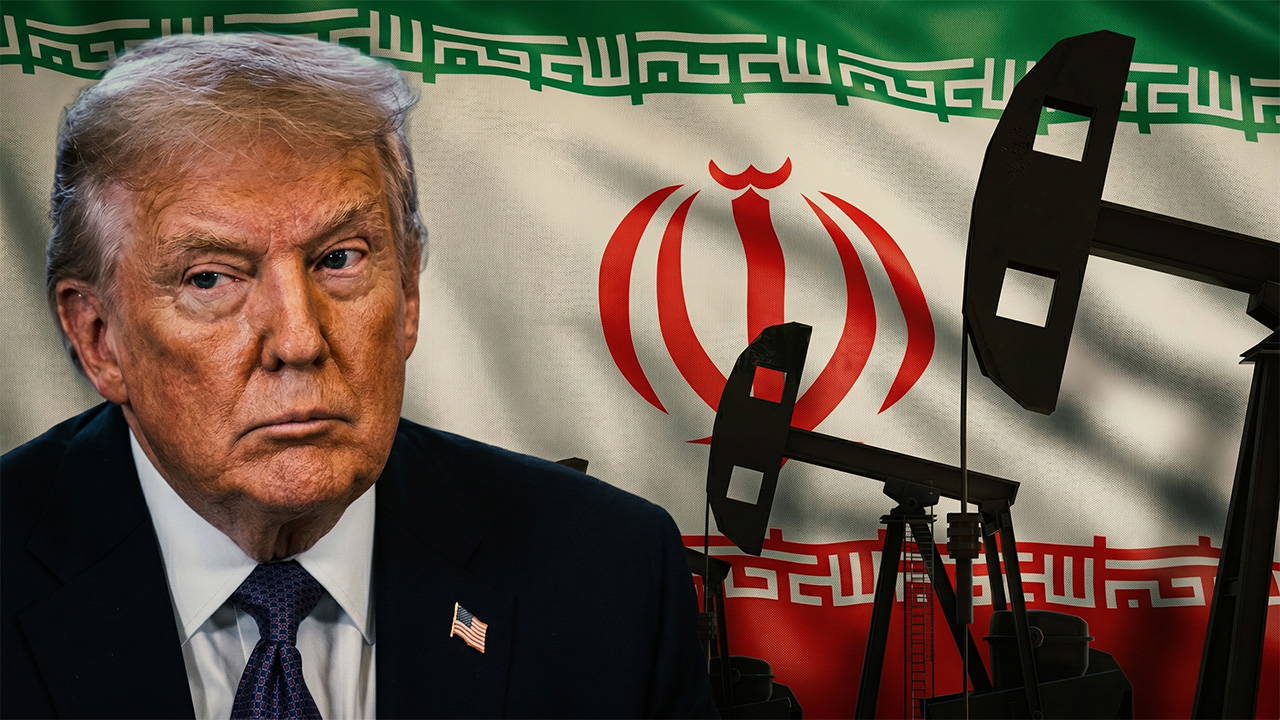
US Extends Sanctions Waivers for Russian and Iranian Oil by 30 Days
Translated from Turkish, summarized and contextualized by DistantNews.
TLDR
- The U.S. Treasury extended sanctions waivers for oil products shipped from Iran and Russia by 30 days.
- The decision followed requests from nearly 10 countries during IMF and World Bank meetings, citing risks of oil shortages due to Middle East tensions.
- Treasury Secretary Scott Bessent denied claims that Iran's government earned over $14 billion from these waivers.
The United States has once again demonstrated its willingness to adjust its sanctions policy in response to global market pressures and diplomatic requests. While the Treasury Department has extended waivers for oil shipments from Russia and Iran by 30 days, this move comes after initial indications that such extensions were not being considered. Secretary Scott Bessent's clarification that the waivers were a response to concerns about potential oil shortages, particularly given the ongoing tensions in the Middle East and their impact on maritime traffic, highlights the delicate balancing act the U.S. faces.
These requests, reportedly from nearly 10 countries during recent IMF and World Bank gatherings, underscore the interconnectedness of the global energy market. The U.S. decision, though temporary, acknowledges the immediate impact its sanctions can have on global supply and the economies of other nations. It is a pragmatic adjustment, prioritizing market stability in the short term while likely maintaining pressure on Iran and Russia in the longer run.
The decision was made upon requests from countries facing the risk of oil shortages due to the disruption of maritime traffic in the Strait of Hormuz as a result of recent developments in the Middle East.
Notably, Secretary Bessent refuted claims that Iran has profited excessively from these waivers, stating that earnings did not exceed $14 billion. This specific denial, without further detail, suggests a U.S. effort to manage the narrative around the sanctions' effectiveness and impact. The situation reflects a complex geopolitical landscape where economic tools are wielded with careful consideration of their broader consequences, particularly concerning energy security.
We will not renew the general license for Russian oil. We will not renew the general license for Iranian oil.
DistantNews Editorial
Originally published by Cumhuriyet in Turkish. Translated, summarized, and contextualized by our editorial team with added local perspective. Read our editorial standards.
More Stories


From Our Blog

What Gets Lost (and Found) When News Is Translated

The Critical Role of Diaspora Media in Global News

What Travellers Should Know About Countries with Restricted Press

A Digital Nomad's Guide to Following Local News

How the Same Story Looks Different in Different Countries
