


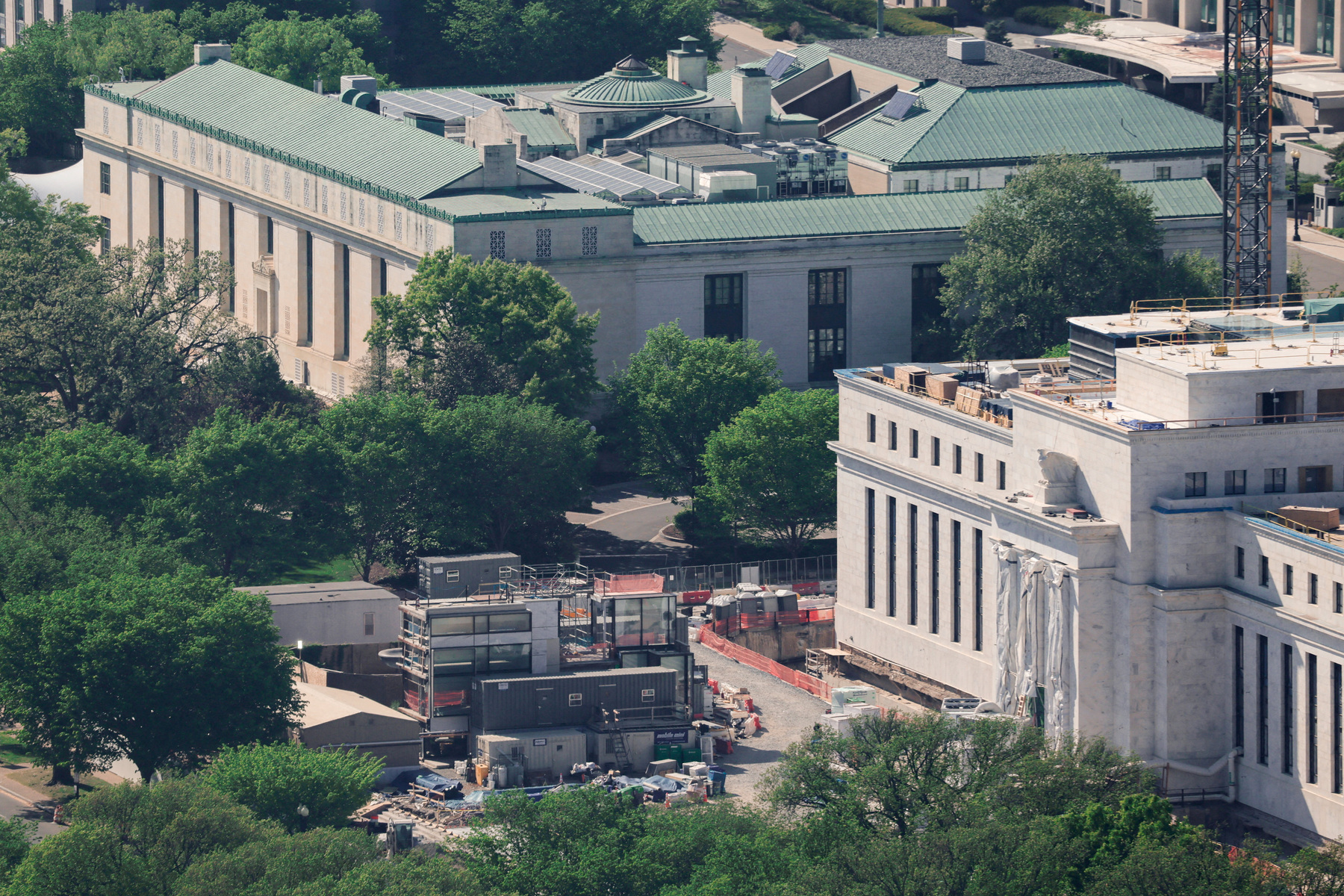
US Federal Reserve keeps interest rates unchanged amid energy crisis and inflation fears
Translated from German, summarized and contextualized by DistantNews.
At a glance
News
From a news agency
Context piece
- The US Federal Reserve has maintained its key interest rate at 3.50 to 3.75 percent for the fourth consecutive time this year.
- The decision is influenced by energy crisis concerns stemming from the Iran war and rising inflation.
- Despite calls for rate cuts, the Fed's new leadership is navigating a complex economic landscape with high inflation and a strong labor market.
The U.S. Federal Reserve has once again held its benchmark interest rate steady, keeping the target range at 3.50 to 3.75 percent. This marks the fourth consecutive meeting this year where the central bank opted for a pause, a decision made unanimously by the Federal Open Market Committee (FOMC).
The Fed's stance is largely driven by persistent inflation concerns, exacerbated by the ongoing energy crisis and disruptions in global energy supply chains due to the Iran war and blockades in the Strait of Hormuz. Data from May revealed a significant 23.5% increase in energy costs compared to the previous year, with gasoline prices alone surging by approximately 40%.
Compounding these inflationary pressures is a surprisingly robust labor market. In May, U.S. employment unexpectedly rose by 172,000 jobs, nearly double the rate anticipated by experts. This strong job growth typically signals economic health but also reduces the urgency for interest rate cuts, potentially pushing them further into the future.
New Fed Chair Kevin Warsh, in his first meeting since taking the helm, did not pursue the interest rate cuts advocated by President Donald Trump. While Warsh has reportedly shown openness to lower rates, his background as an "Inflation Hawk" suggests a tendency towards tighter monetary policy to combat rising prices. The Fed's current inflation rate stands at 4.2%, well above its 2% target, creating a delicate balancing act between controlling inflation and supporting employment.
DistantNews Editorial
Originally published by Die Presse in German. Translated, summarized, and contextualized by our editorial team with added local perspective. Read our editorial standards.
More Stories



From Our Blog

What Gets Lost (and Found) When News Is Translated

The Critical Role of Diaspora Media in Global News

What Travellers Should Know About Countries with Restricted Press

A Digital Nomad's Guide to Following Local News

How the Same Story Looks Different in Different Countries
