


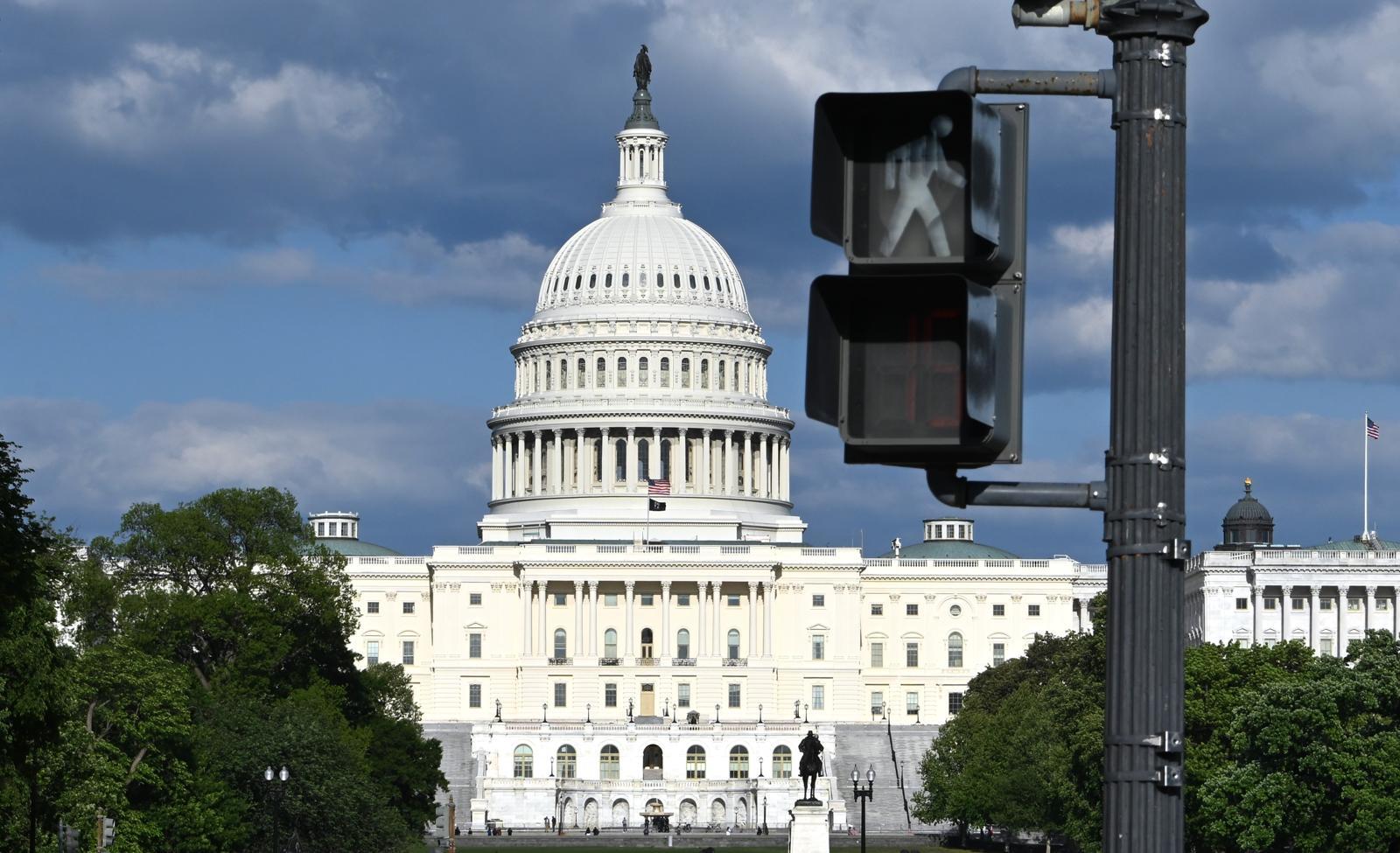
US House Passes Defense Bill, Reinforcing Stance Against Reducing Troops in South Korea
Translated from Korean, summarized and contextualized by DistantNews.
At a glance
News
Sources not specified
New plan
- The U.S. House of Representatives passed its version of the National Defense Authorization Act for fiscal year 2027, with a strong bipartisan vote.
- The bill includes provisions that would prevent the use of funds to reduce the number of U.S. troops stationed in South Korea below the current level of 28,500.
- This move by the House strengthens existing congressional measures aimed at maintaining the current troop presence in South Korea.
The U.S. House of Representatives has passed its version of the National Defense Authorization Act (NDAA) for fiscal year 2027, a significant legislative move that further solidifies congressional intent to maintain the current U.S. troop presence in South Korea. The bill, approved by a vote of 216 to 212, includes a provision that restricts the use of funds to decrease the number of U.S. Forces Korea (USFK) below its current strength of 28,500.
The measure passed largely along party lines, with nearly all Republicans voting in favor and most Democrats voting against it. This latest iteration of the NDAA builds upon previous efforts by Congress, which have consistently included language since the Trump administration to uphold the 28,500 troop level. However, the House's proposed legislation expands these restrictions, aiming to prevent any reduction regardless of the funding source.
Previously, the NDAA stipulated that only congressionally authorized funds could not be used for troop reductions. The new House bill, however, seeks to block the use of funds appropriated under "any other Act" for fiscal years 2026 and 2027 for such reductions. This broader scope underscores the strong bipartisan consensus in Congress regarding the strategic importance of maintaining a robust U.S. military presence on the Korean Peninsula.
The passage of this bill in the House signals a clear message about the legislative branch's stance on troop levels in South Korea. While the Senate will also need to pass its version of the NDAA, and a conference committee will reconcile differences between the House and Senate bills, the inclusion of such a strong provision in the House version indicates a significant hurdle for any future attempts to reduce the USFK footprint.
DistantNews Editorial
Originally published by Dong-A Ilbo in Korean. Translated, summarized, and contextualized by our editorial team with added local perspective. Read our editorial standards.
More Stories


From Our Blog

What Gets Lost (and Found) When News Is Translated

The Critical Role of Diaspora Media in Global News

What Travellers Should Know About Countries with Restricted Press

A Digital Nomad's Guide to Following Local News

How the Same Story Looks Different in Different Countries
