


US imposes 12.5% tariff on Nigeria, 7 African nations over forced labor concerns
Translated from English, summarized and contextualized by DistantNews.
At a glance
News
Named sources
New plan
- The United States has imposed a 12.5% tariff on exports from Nigeria and seven other African nations over alleged failure to curb forced labor in their supply chains.
- The action, taken under Section 301 of the US Trade Act, targets countries accused of not effectively prohibiting goods produced with forced labor from entering their markets.
- The U.S. aims to correct trade imbalances and unfair competition caused by the import of cheaper products made with forced labor, impacting American businesses and workers.
The United States has levied a 12.5 percent tariff on exports from Nigeria and seven other African countries, citing their alleged failure to adequately address forced labor within their supply chains. This measure, enacted under Section 301 of the U.S. Trade Act of 1974, targets nations that the U.S. accuses of not implementing or enforcing sufficient prohibitions against the importation of goods produced through forced labor.
Beyond Nigeria, the affected African nations include Algeria, Angola, Egypt, Libya, Mauritania, Morocco, and South Africa. The Office of the United States Trade Representative (USTR) stated that these countries have not established or enforced robust measures to prevent goods made with forced labor from reaching their markets. The U.S. argues that allowing such goods creates an unfair competitive advantage by flooding global supply chains with cheaper products, thereby distorting competition and harming American workers and businesses.
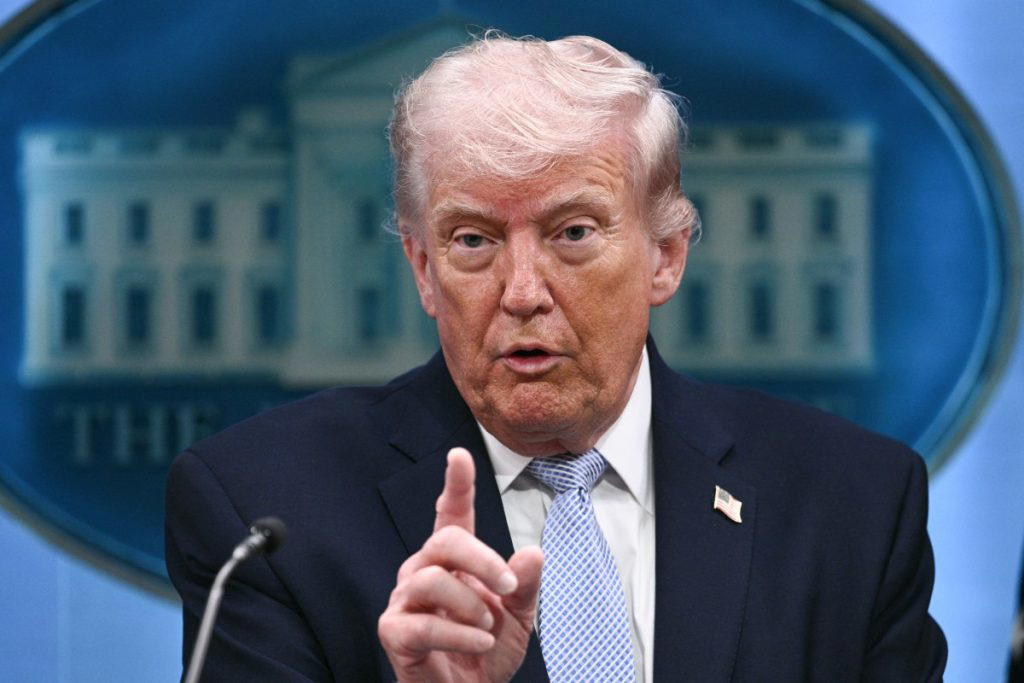
President Trump recognizes that decades of moral suasion have not eradicated forced labour from global supply chains. The United States has had a forced labour import ban for nearly a century, and rigorously enforces it; it’s well past time for our trading partners to do the same.
Ambassador Jamieson Greer, U.S. Trade Representative, emphasized that "decades of moral suasion have not eradicated forced labor from global supply chains." He noted that the U.S. has maintained a forced labor import ban for nearly a century and expects its trading partners to adopt similar measures. The new tariffs are intended to rectify this "human rights abuse and distortive trade practice" and improve worker welfare globally. The USTR also indicated that other countries are taking steps to implement or have committed to enforcing forced labor import prohibitions, with some facing a 10 percent tariff.
Today’s action will begin to correct what is both a human rights abuse and distortive trade practice to improve the welfare of workers everywhere.
DistantNews Editorial
Originally published by Vanguard in English. Translated, summarized, and contextualized by our editorial team with added local perspective. Read our editorial standards.
More Stories


From Our Blog

How the Same Story Looks Different in Different Countries

What Gets Lost (and Found) When News Is Translated

The Critical Role of Diaspora Media in Global News

What Travellers Should Know About Countries with Restricted Press

A Digital Nomad's Guide to Following Local News
