

US Imposes Up to 12.5% 'Forced Labor Tariffs' on South Korea and 60 Other Nations
Translated from Korean, summarized and contextualized by DistantNews.
At a glance
News
Named sources
New plan
- The U.S. is imposing tariffs of 10% or 12.5% on goods from 60 countries, including South Korea, under Section 301 of the Trade Act.
- These tariffs target products made with forced labor, aiming to correct trade distortions and improve global labor conditions.
- South Korea faces potential combined tariffs exceeding 15% if new 'overproduction' duties are added to the forced labor tariffs.
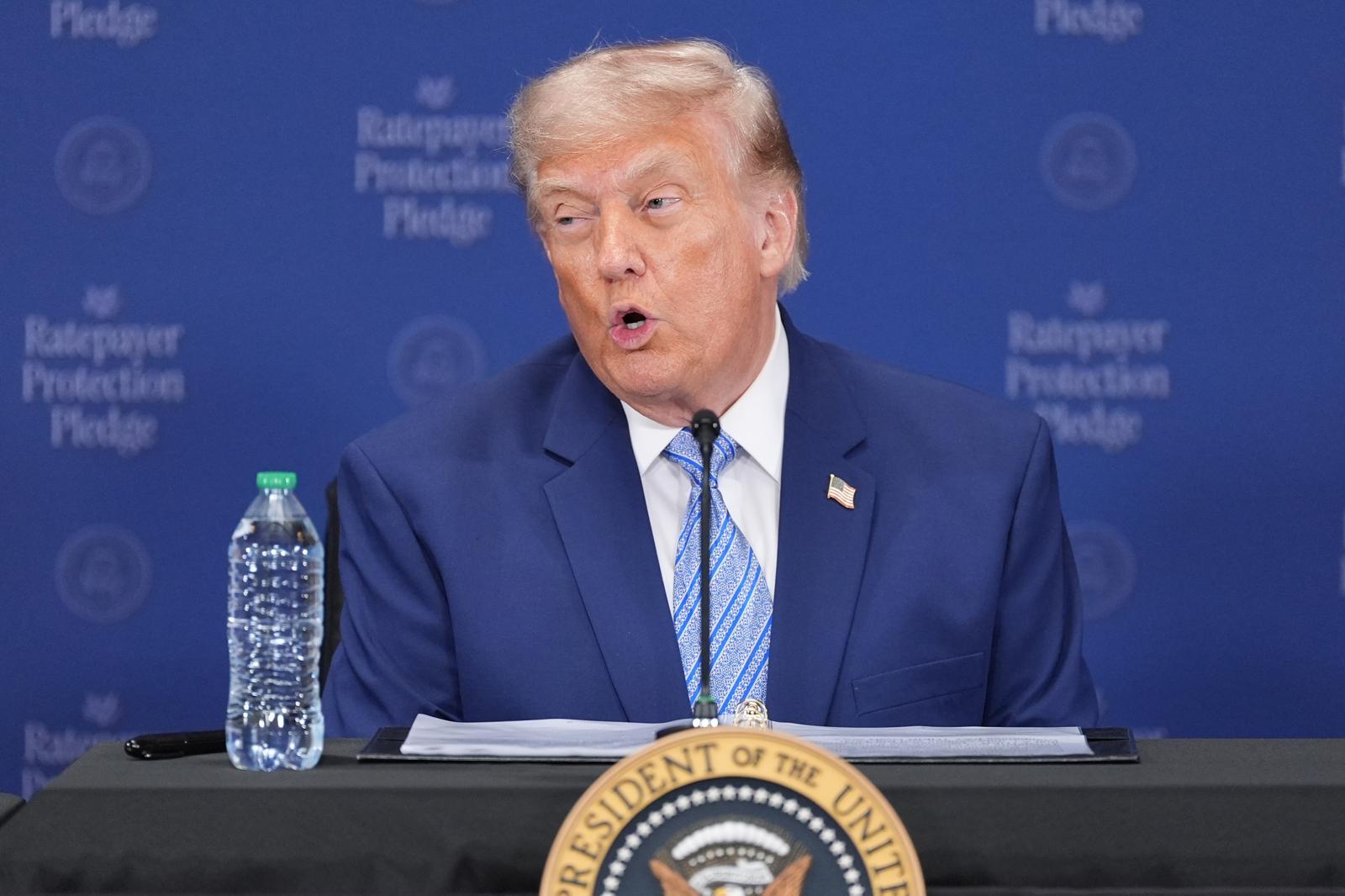
The United States Trade Representative (USTR) has announced the implementation of tariffs on goods from 60 countries, including South Korea, citing the use of forced labor. Under Section 301 of the Trade Act, tariffs of 10% or 12.5% will be applied to specific products from these nations. This measure aims to address what the U.S. views as trade distortions and human rights violations stemming from forced labor practices.
According to the USTR announcement, South Korea, along with the European Union, Taiwan, and Japan, will see specific products subject to these new duties after deducting Most Favored Nation (MFN) rates. The U.S. argues that these countries have not effectively prohibited or enforced bans on goods produced with forced labor. USTR Representative Jamieson Greer stated, "The United States has prohibited the import of goods produced by forced labor for nearly a century, and has strictly enforced it. It is now time for our trade partners to take the same measures."
The new tariffs are set to replace a temporary 10% global tariff that expires on the 24th. This shift is part of the Trump administration's broader trade strategy, which has seen the U.S. utilize Section 301 after a Supreme Court ruling invalidated parts of its previous tariff mechanisms. The administration's rationale is that countries like South Korea and China have exported products to the U.S. that harm domestic industries due to government support and overproduction, alongside issues of forced labor.
Experts are concerned that the combination of these new forced labor tariffs and potential future 'overproduction' tariffs could push the final tariff rate on South Korean products above the 15% ceiling stipulated in the South Korea-U.S. trade agreement. This could significantly impact bilateral trade relations and the competitiveness of South Korean exports.
DistantNews Editorial
Originally published by Dong-A Ilbo in Korean. Translated, summarized, and contextualized by our editorial team with added local perspective. Read our editorial standards.
More Stories


From Our Blog

What Gets Lost (and Found) When News Is Translated

The Critical Role of Diaspora Media in Global News

What Travellers Should Know About Countries with Restricted Press

A Digital Nomad's Guide to Following Local News

How the Same Story Looks Different in Different Countries
