

US Intelligence Community in Crisis as CIA Halts Cooperation with Spy Chief's Office
Translated from Romanian, summarized and contextualized by DistantNews.
At a glance
News
Named sources
Context piece
- The U.S. intelligence community faces a severe coordination crisis amid global conflicts.
- The CIA has significantly reduced its contributions to strategic assessments by the Office of the Director of National Intelligence (ODNI) due to disputes.
- Tensions reportedly stem from disagreements over territorial competencies and security protocols, impacting analyses for national security decision-making.
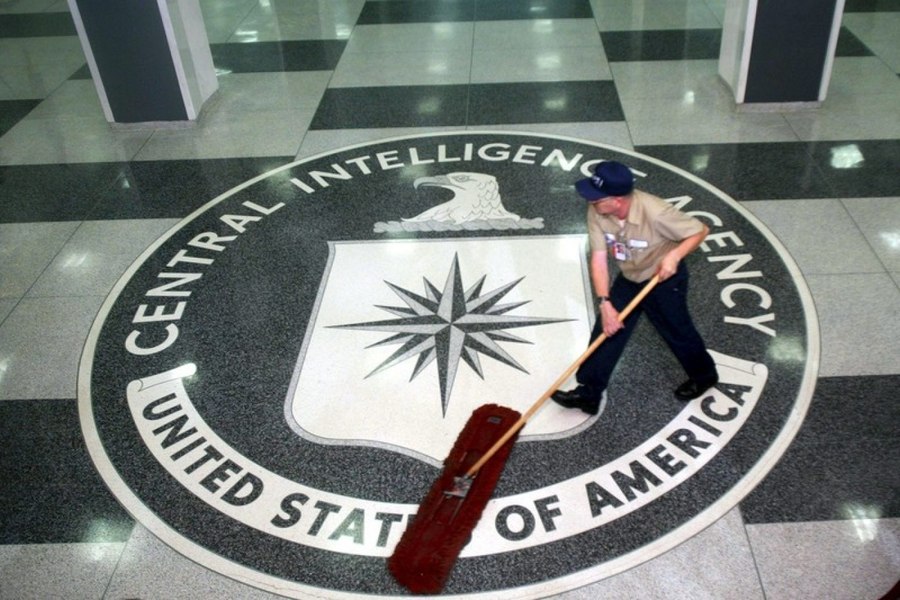
A profound coordination crisis is gripping Washington's intelligence community, even as the United States navigates military conflict in Iran and major crises in Ukraine and Taiwan. Sources indicate the Central Intelligence Agency (CIA) has drastically cut its input into strategic assessments by the Office of the Director of National Intelligence (ODNI), fueled by heated disputes over jurisdiction and security protocols.
The friction, simmering for over a year, centers on a special unit established in April 2025 by then-Director of National Intelligence (DNI) Tulsi Gabbard. The CIA, led by John Ratcliffe, accuses this group, the Director's Initiatives Group, of acting recklessly and bypassing traditional channels for sharing and declassifying sensitive information. Conversely, ODNI officials claim the CIA has systematically blocked the group's access to essential data.
This deadlock directly affects the analyses of the National Intelligence Council (NIC), the primary body producing reports relied upon by the U.S. President and the National Security Council for navigating global crises. Notably, the CIA has ceased regular participation in assessments concerning the Iran conflict, with the two agencies now operating almost as parallel analytical entities. "ODNI was designed to be the lubricant of the system, keeping the intelligence community's arteries clear and removing blockages," explains Beth Sanner, former deputy DNI. "When this mechanism stops working, agencies tend to isolate themselves within their own structures, creating the conditions for major intelligence failures."
Relations between the two institutions deteriorated rapidly after Gabbard took office and attempted to exert stricter control over the Presidential Daily Brief, the ultra-secret daily summary for the president historically managed by the CIA. The situation escalated with drastic administrative measures. In May 2025, Gabbard removed two senior CIA officers leading the NIC, citing, without public evidence, the creation of a "toxic work environment" and "politicization of information." In August, the ODNI chief revoked security clearances for 37 officials and former officials. During this process, the identity of an undercover CIA officer on an external mission was inadvertently revealed. The crisis comes as Gabbard recently announced her resignation, effective June 30, citing family reasons. The White House has already named Bill Pulte as interim director, seeking to assure policymakers they continue to receive the most critical intelligence.
ODNI was designed to be the lubricant of the system, keeping the intelligence community's arteries clear and removing blockages. When this mechanism stops working, agencies tend to isolate themselves within their own structures, creating the conditions for major intelligence failures.
DistantNews Editorial
Originally published by Adevărul in Romanian. Translated, summarized, and contextualized by our editorial team with added local perspective. Read our editorial standards.
More Stories


From Our Blog

What Gets Lost (and Found) When News Is Translated

The Critical Role of Diaspora Media in Global News

What Travellers Should Know About Countries with Restricted Press

A Digital Nomad's Guide to Following Local News

How the Same Story Looks Different in Different Countries
