


US investigation into forced labor products to conclude in weeks; Washington threatens new 10% tariff on 60 countries
Translated from Spanish, summarized and contextualized by DistantNews.
At a glance
News
Named sources
New plan
- The U.S. Trade Representative's office expects to conclude an investigation into forced labor products within weeks.
- This investigation could lead to new tariffs on goods from up to 60 countries.
- The U.S. has previously warned Mexico and other nations about potential tariffs related to forced labor practices.
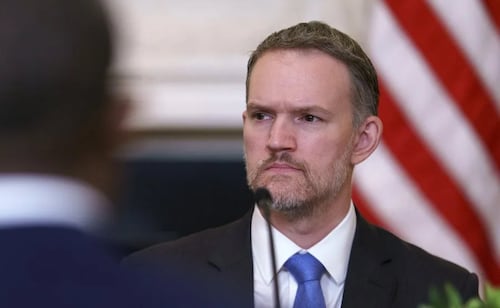
The United States is nearing the end of an investigation that could impose new tariffs on goods from as many as 60 countries, based on their perceived failure to prevent the import of products made with forced labor. Jamieson Greer, a representative from the U.S. Trade Representative's office (USTR), indicated that the probe is expected to conclude within weeks.
We are very focused on this issue.
Greer described the investigation as "complex," involving the analysis of various practices across numerous nations. He emphasized that these actions are not a surprise, as the U.S. had announced its intention to pursue this strategy a year prior, starting with an investigation into Brazil and more recently Vietnam. The U.S. has expressed concerns about products entering its supply chains that are made using forced labor, citing an inability of other countries to take effective measures.
it is a complex investigation
This trade policy is part of a broader U.S. strategy, with a law prohibiting the import of goods produced with forced labor in place for a century. Greer also addressed potential tariffs on European Union goods, noting that the U.S. would consider the "Turnberry agreement" reached between the U.S. and the EU. He stated that the U.S. believes there is room to integrate this existing agreement into the current framework, provided the EU fully complies with its terms. The U.S. has a long-standing law against importing goods made with forced labor.
I think it will be a matter of weeks.
DistantNews Editorial
Originally published by El Universal in Spanish. Translated, summarized, and contextualized by our editorial team with added local perspective. Read our editorial standards.
More Stories

From Our Blog

What Press Freedom Means for the News You Read

What Gets Lost (and Found) When News Is Translated

The Critical Role of Diaspora Media in Global News

What Travellers Should Know About Countries with Restricted Press

A Digital Nomad's Guide to Following Local News
