

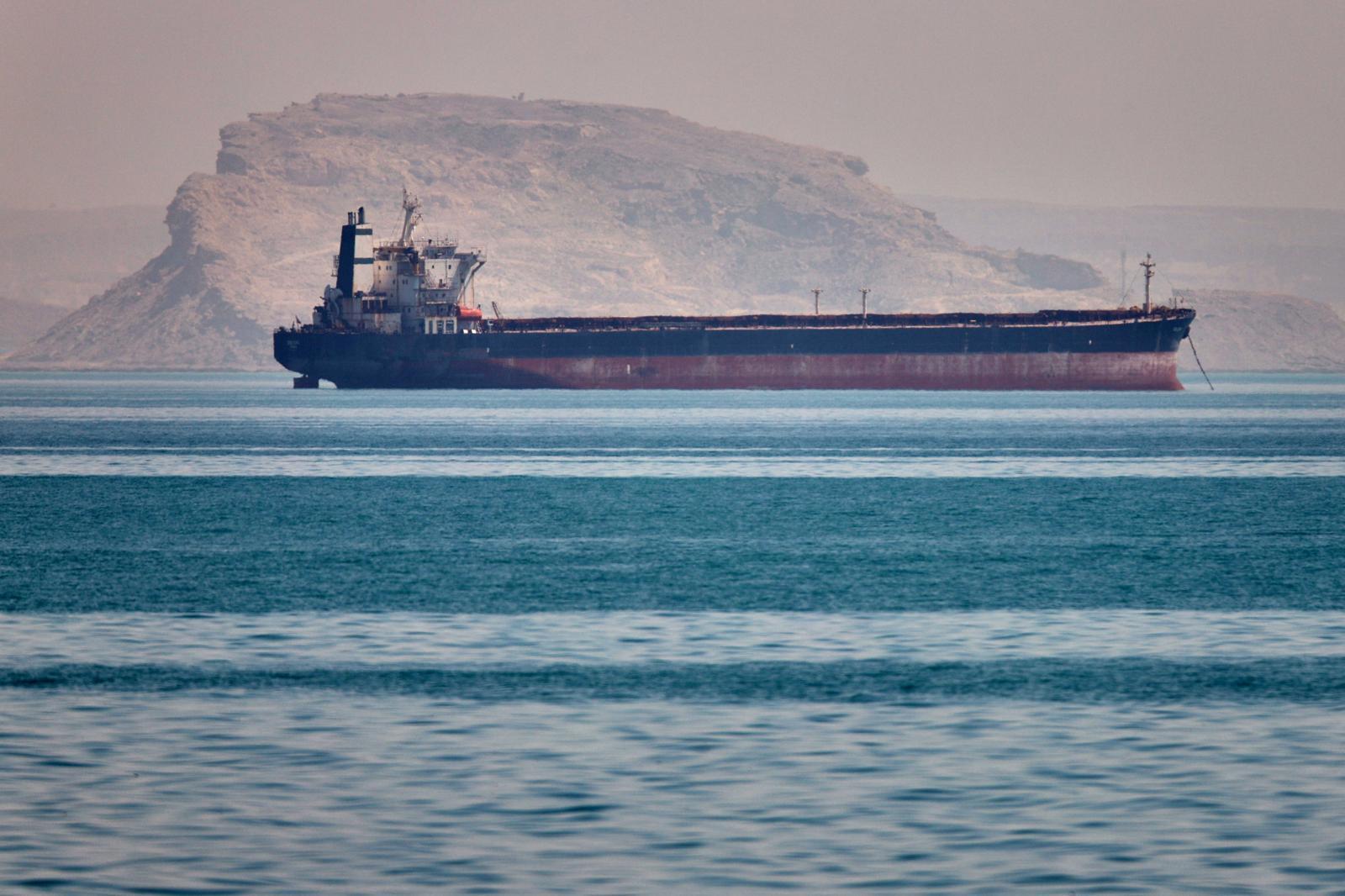

US, Iran agree to halt attacks; Hormuz issues to be discussed in Doha
Translated from Korean, summarized and contextualized by DistantNews.
At a glance
News
Named sources
Ongoing story
- The United States and Iran have agreed to halt mutual military attacks and will discuss issues related to the Strait of Hormuz in Doha on June 30.
- The agreement comes after recent escalations and concerns that the fragile ceasefire might collapse.
- Disagreements over transit conditions through the Strait of Hormuz, with Iran insisting on coordination and the US advocating for expanded southern routes, have fueled recent tensions.
The United States and Iran have reportedly agreed to cease their mutual military attacks and will convene in Doha, Qatar, on June 30 to address issues concerning the Strait of Hormuz. This de-escalation follows a period of heightened military exchanges that threatened a fragile ceasefire agreement, which had only recently taken effect.
According to Axios, citing senior U.S. officials, both sides have committed to halting "all physical attacks." Another U.S. official confirmed that both parties have agreed to step back, ensuring freedom of navigation for vessels. The meeting's agenda was shifted from the Iranian nuclear program in Switzerland to the critical issue of passage through the Strait of Hormuz due to the escalating military tensions.
We have agreed to cease all physical attacks.
Recent clashes stemmed from differing interpretations of the terms governing transit through the vital waterway. While a memorandum of understanding stipulated that Iran would ensure safe passage for commercial vessels and the U.S. would lift blockades on Iranian ports, Iran maintains that ships must coordinate passage and use the northern route under Iranian control. Conversely, the U.S. seeks to expand passage through the southern route, closer to Oman's coast, viewing the Strait of Hormuz as an international waterway not subject to control by any single nation.
Despite plans to establish a "hotline" between U.S. forces and the Iranian Revolutionary Guard Corps to coordinate passage, this channel had reportedly not been operational as of June 27. In the preceding days, both nations accused each other of violating the ceasefire, leading to retaliatory strikes. The U.S. Central Command stated it had targeted Iranian surveillance facilities, communication systems, air defenses, drone storage, and mine-laying capabilities in response to an Iranian attack on the Panamanian-flagged tanker Kikuho near the Strait of Hormuz. Iran's Revolutionary Guard claimed to have launched missile and drone attacks on U.S. military-related facilities in Kuwait and Bahrain, though Kuwaiti forces reported intercepting two ballistic missiles with no damage, and Bahrain reported drone damage to a residential building near its international airport, with no fatalities.
Both sides have agreed to step back, and vessels are free to move.
DistantNews Editorial
Originally published by Hankyoreh in Korean. Translated, summarized, and contextualized by our editorial team with added local perspective. Read our editorial standards.
More Stories


From Our Blog

What Gets Lost (and Found) When News Is Translated

The Critical Role of Diaspora Media in Global News

What Travellers Should Know About Countries with Restricted Press

A Digital Nomad's Guide to Following Local News

How the Same Story Looks Different in Different Countries
