


US-Iran Ceasefire Talks Postponed Amid Israeli Strikes on Lebanon
Translated from Korean, summarized and contextualized by DistantNews.
At a glance
News
Named sources
Ongoing story
- The US and Iran's first follow-up talks to a ceasefire MOU were reportedly postponed after Israel continued attacks on Lebanon.
- Iran cited Israel's ongoing airstrikes on Lebanon as the reason for boycotting the talks in Switzerland.
- The US is highlighting potential economic benefits and Iran is emphasizing its control over the Strait of Hormuz, with both sides preparing for future negotiations.
The first follow-up negotiations between the United States and Iran, intended to build on their recent ceasefire Memorandum of Understanding (MOU), have reportedly been postponed. The talks, scheduled to take place in Bürgenstock, Switzerland, were called off after Iran decided to boycott the event, citing Israel's continued attacks on Lebanon.
The Iranian delegation was prepared to travel to Switzerland for follow-up negotiations with the United States, but withheld their departure due to Israel's continued attacks on Lebanon.
Lebanon's Al Mayadeen television reported that the Iranian delegation was prepared to travel to Switzerland for the talks, but withheld their departure due to the ongoing Israeli airstrikes. The MOU, signed by US President Donald Trump and Iranian President Masoud Pezeshkian on June 17, stipulated an immediate and permanent end to military operations on all fronts, including Lebanon. However, Iran's decision to boycott suggests a strong reaction to Israel's persistent airstrikes against Hezbollah, a pro-Iranian armed group.
Israel's violation of the ceasefire agreement in Lebanon was the reason for the canceled talks in Switzerland.
US political outlet Axios also reported that Iran's claim of an Israeli violation of the ceasefire agreement in Lebanon was the reason for the canceled talks in Switzerland. Observers anticipate that the follow-up negotiations, planned for the next 60 days, could face significant challenges if the conflict between Israel and Hezbollah does not cease.
The US and Iran signed an MOU for a 60-day ceasefire, and approximately 12.5 million barrels of crude oil passed through the Strait of Hormuz daily.
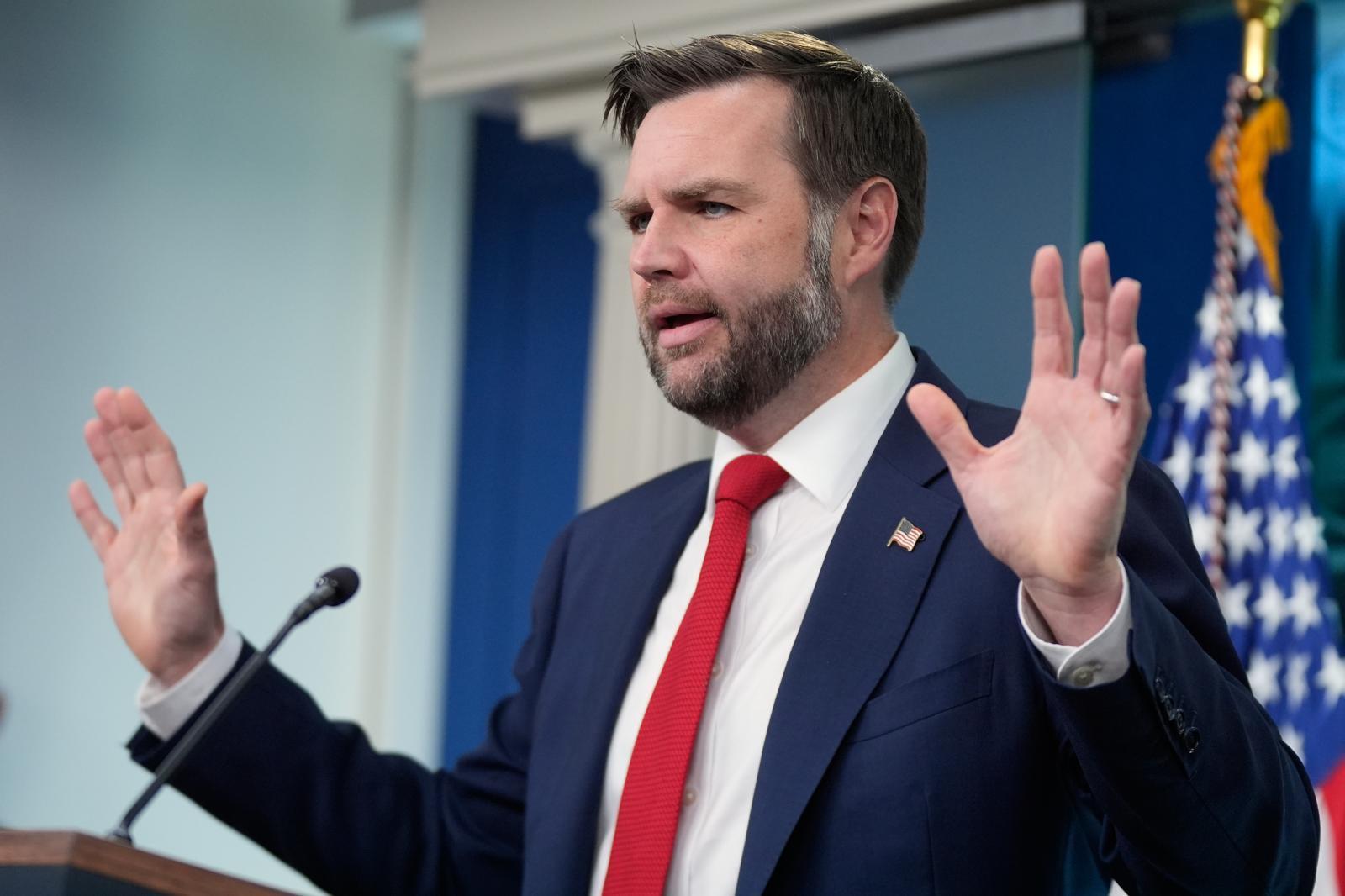
Amidst these developments, both the US and Iran are emphasizing different aspects of the agreement. The US is focusing on the potential economic benefits expected from the MOU, while Iran is highlighting its control over the Strait of Hormuz. These contrasting emphases appear to be part of a strategy to gain leverage in future negotiations. The US Vice President J.D. Vance noted that approximately 12.5 million barrels of crude oil passed through the Strait of Hormuz daily following the MOU's implementation, suggesting a positive impact on oil transport, although still below pre-war levels.
If the conflict between Israel and Hezbollah does not cease, the US-Iran follow-up negotiations over the next 60 days could face significant challenges.
DistantNews Editorial
Originally published by Dong-A Ilbo in Korean. Translated, summarized, and contextualized by our editorial team with added local perspective. Read our editorial standards.
More Stories


From Our Blog

What Gets Lost (and Found) When News Is Translated

The Critical Role of Diaspora Media in Global News

What Travellers Should Know About Countries with Restricted Press

A Digital Nomad's Guide to Following Local News

How the Same Story Looks Different in Different Countries
