


US, Iran conclude talks focused on Strait of Hormuz
Summarized and contextualized by DistantNews.
At a glance
News
Named sources
Ongoing story
- The United States and Iran concluded talks in Doha focused on the Strait of Hormuz and unfreezing Iranian funds.
- Progress was reported on issues related to an interim agreement, but no lasting peace was achieved.
- Future meetings are scheduled after the funeral of Iran's Supreme Leader Ayatollah Ali Khamenei.
Iran and the United States have concluded a round of indirect talks in Doha, Qatar, with a focus on maritime traffic in the Strait of Hormuz and the unfreezing of Iranian funds. Sources familiar with the discussions indicated that negotiators spent two days addressing these critical issues, which were part of an interim agreement announced two weeks prior. However, the talks concluded without any clear signs of progress toward a lasting peace.
Qatar's Foreign Ministry reported that the Doha discussions yielded "positive progress" concerning the memorandum that halted the war in June and were "building on the outcomes" of a previous summit in Switzerland. The ministry stated that the next meeting would occur after the funeral processions for Iran's late Supreme Leader, Ayatollah Ali Khamenei, who is expected to be buried on July 9.
The denuclearisation of Iran is moving along well. They've had very good meetings, and we'll see.
In Washington, U.S. President Donald Trump suggested that progress was being made on potential limits to Iran's nuclear program, a primary reason he cited for launching the war. "The denuclearisation of Iran is moving along well," he told reporters, adding, "They've had very good meetings, and we'll see." However, sources close to the talks indicated that the nuclear program was not a subject of discussion, as the meetings were technical in nature. U.S. Vice President JD Vance confirmed that the nuclear issue would be addressed at a later time.
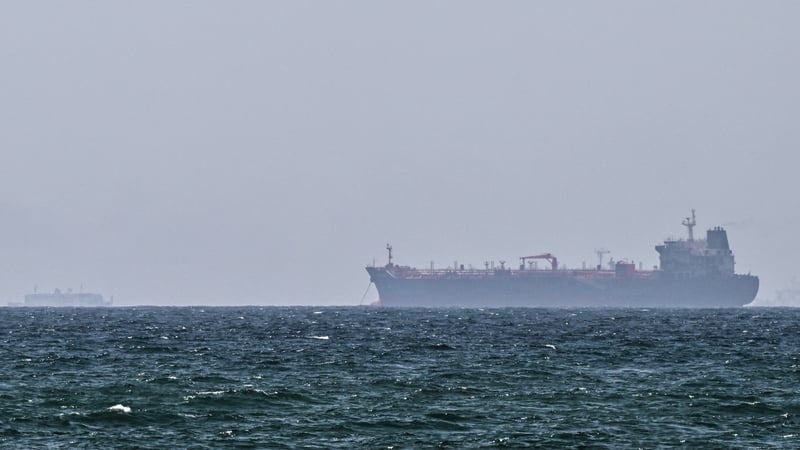
The initial agreement calls for both Iran and the United States to allow shipping to resume through the Strait of Hormuz, a vital waterway that handled one-fifth of global oil and liquid natural gas trade before the conflict. Although traffic has partially resumed, the status of the strategic strait remains uncertain, with both countries exchanging strikes last weekend following an Iranian attack on a cargo ship. Iranian sources indicated a determination to gain international recognition of its control over the strait, potentially through force, and have stated intentions to assess tolls on shipping starting in mid-August, after a toll-free period specified in the agreement expires.
Obviously, we're worried about the nuclear issue, we're going to start talking about that.
DistantNews Editorial
Originally published by RTÉ News. Summarized and contextualized by our editorial team with added local perspective. Read our editorial standards.
More Stories


From Our Blog

What Gets Lost (and Found) When News Is Translated

The Critical Role of Diaspora Media in Global News

What Travellers Should Know About Countries with Restricted Press

A Digital Nomad's Guide to Following Local News

How the Same Story Looks Different in Different Countries
