

US-Iran deal appears to be a temporary truce, not a peace agreement
Translated from English, summarized and contextualized by DistantNews.
At a glance
Analysis
Named sources
Ongoing story
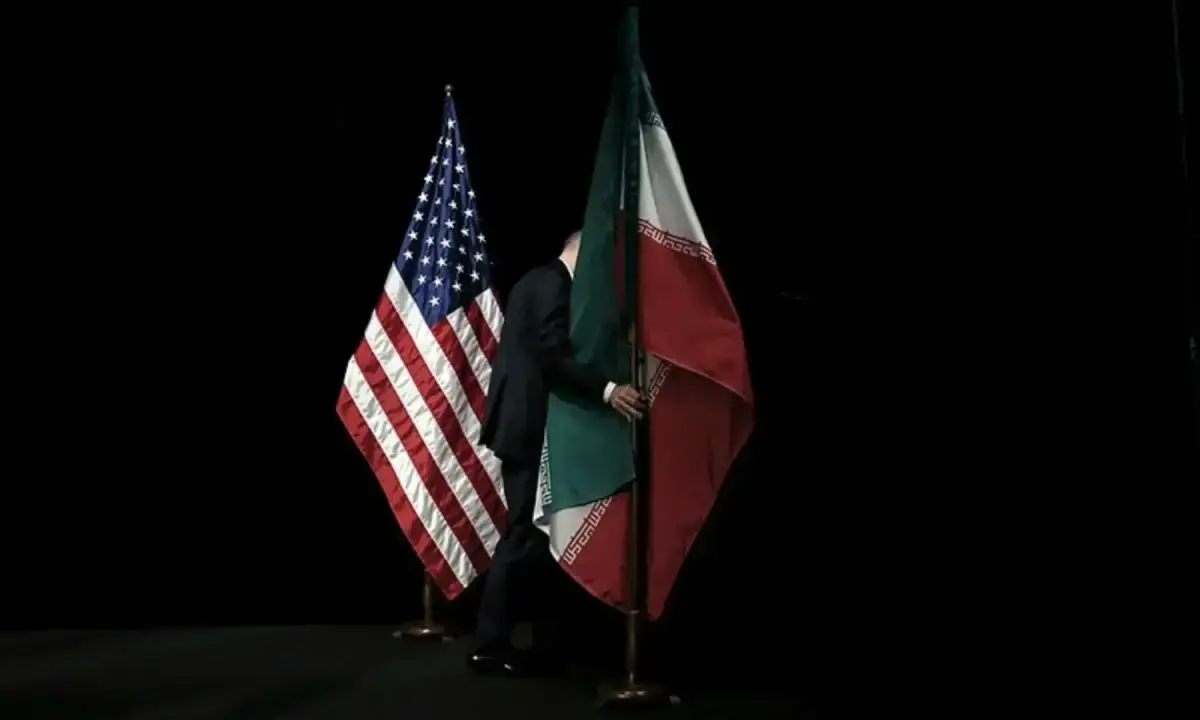
- A potential US-Iran agreement, brokered by Pakistan, appears to be an armistice focused on de-escalation rather than a comprehensive peace deal.
- The proposed deal includes a renewable 60-day truce, reopening the Strait of Hormuz, easing sanctions, and initiating a diplomatic process for unresolved disputes.
- The agreement is driven by mutual exhaustion rather than reconciliation, aiming to restore stability in the Gulf.
A potential agreement between the United States and Iran, facilitated by Pakistan and Qatar, is emerging not as a traditional peace accord, but as a strategic "stopgap measure" aimed at de-escalation. While initial reports suggested an imminent signing, Tehran publicly pushed back, highlighting the inherent uncertainties in high-stakes diplomacy between long-standing rivals.
a deal had never been closer
The emerging framework appears to be an "armistice plus" arrangement, primarily designed to halt escalation and reopen the vital Strait of Hormuz for regional trade. It is reportedly driven more by the exhaustion of both warring sides following costly confrontations than by a desire for genuine reconciliation. The agreement's contours suggest a renewable 60-day truce built around practical measures.
no agreement would be signed that day
Key provisions reportedly include the immediate reopening of the Strait of Hormuz, the removal of obstacles to maritime traffic, and a gradual easing of the American blockade on Iranian shipping and ports. Temporary sanctions waivers and the partial release of frozen Iranian funds are also anticipated, alongside the launch of a diplomatic process to address more contentious issues at a later stage. The immediate objective seems to be restoring stability in the Gulf, rather than resolving the fundamental disputes that led to the conflict.
the proposed memorandum does not appear to be a peace agreement in the conventional sense.
This interpretation suggests the agreement is a temporary stabilization mechanism. American officials continue to frame the process, but the focus appears to be on managing immediate tensions and creating space for future negotiations, rather than achieving a lasting peace in the conventional sense. The success of this "stopgap measure" will depend on its ability to hold and pave the way for addressing deeper issues.
it is emerging as an armistice plus framework essentially prepared to stop escalation, reopen the Strait of Hormuz for restarting regional trade halted due to hostilities and create a structured negotiating process for unresolved disputes.
DistantNews Editorial
Originally published by Dawn in English. Translated, summarized, and contextualized by our editorial team with added local perspective. Read our editorial standards.
More Stories

From Our Blog

What Gets Lost (and Found) When News Is Translated

The Critical Role of Diaspora Media in Global News

What Travellers Should Know About Countries with Restricted Press

A Digital Nomad's Guide to Following Local News

How the Same Story Looks Different in Different Countries
