


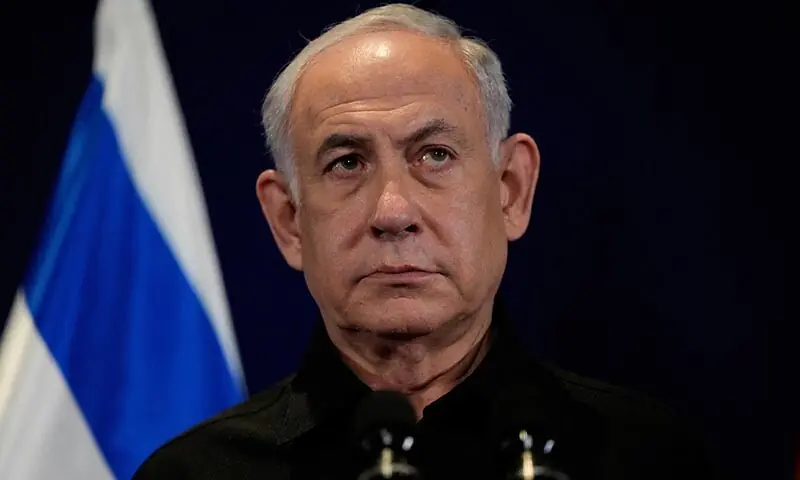
US-Iran deal may leave Netanyahu as biggest casualty
Translated from English, summarized and contextualized by DistantNews.
At a glance
Analysis
Named sources
Context piece
- Prime Minister Benjamin Netanyahu's political brand as the sole influencer of US policy on Iran may be damaged by a US-Iran deal.
- Analysts suggest Netanyahu is now forced to accept US policy rather than shape it, facing constraints from President Trump.
- The situation leaves Netanyahu politically isolated abroad and vulnerable ahead of an upcoming election, potentially turning his key asset into a liability.
Prime Minister Benjamin Netanyahu's long-cultivated political identity as the Israeli leader uniquely capable of bending Washington to his will on Iran faces a significant challenge, according to analysts, former US officials, and diplomats. Netanyahu built his career on the assertion that he alone could ensure strategic alignment between the US and Israel regarding Tehran.
He cultivated strong Republican support and presented himself as the indispensable Israeli voice influencing successive US presidents, arguing that sustained military pressure was the only way to contain Iran. Diplomats once described him as the "American whisperer," an Israeli leader with direct access to ensure Washington's strategic decisions matched Israel's. His frequent addresses to Congress and extensive political capital across the US political system underscored this influence.
The US-Iran deal is a decisive blow to Netanyahu. Not only did he lose the war with Iran, he has also lost Trump as a friend.
However, the interim pact between Washington and Tehran to end the war, launched by the US and Israel in February, appears to have reversed this dynamic. Analysts contend that Netanyahu is now compelled to accept US policy, with President Trump increasingly treating Israeli objections as mere constraints. This shift leaves him "boxed in between a US president intent on ending the conflict and a domestic base resistant to concessions," particularly concerning Lebanon, according to former US official Dennis Ross.
Escalation risks confrontation with Washington, while withdrawal could trigger political backlash at home. The war Netanyahu hoped would define his legacy as a strong Iran adversary may instead be remembered as the conflict that eroded his core political strength. Isolated internationally and facing domestic pressures ahead of an autumn election, the very political asset that defined his career now appears to be his greatest liability.
Netanyahu is increasingly boxed in between a US president intent on ending the conflict and a domestic base resistant to concessions, particularly in Lebanon.
DistantNews Editorial
Originally published by Dawn in English. Translated, summarized, and contextualized by our editorial team with added local perspective. Read our editorial standards.
More Stories

From Our Blog

What Gets Lost (and Found) When News Is Translated

The Critical Role of Diaspora Media in Global News

What Travellers Should Know About Countries with Restricted Press

A Digital Nomad's Guide to Following Local News

How the Same Story Looks Different in Different Countries
