


US-Iran Deal Offers Economic Relief, Opens Strait of Hormuz
Translated from German, summarized and contextualized by DistantNews.
At a glance
News
Named sources
New plan
- The US and Iran have reached an agreement, potentially signaling an end to the Iran war and easing economic tensions.
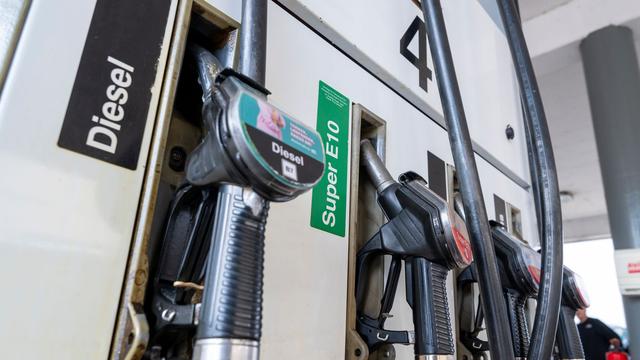
- The agreement includes the reopening of the Strait of Hormuz, which could lead to lower fuel prices.
- Economists anticipate positive impacts on the economy, including lower oil and gas prices and potentially reduced interest rates, though full recovery may take time.
An agreement between the United States and Iran offers a glimmer of hope for economic recovery, potentially signaling an end to the Iran war and easing global economic strains. While many complex issues remain to be negotiated, the prospect of peace could soon lead to the resumption of vital supplies of crude oil, liquefied gas, and fertilizer from the Gulf region.
This potential de-escalation has already boosted Asian stock markets, with oil prices dropping significantly. U.S. President Donald Trump expressed optimism, stating, "Ships of the world, start your engines! Let the oil flow!" referring to the blockade of oil transport through the Strait of Hormuz.
The crisis stemming from the Iran war had a notable impact on Germany, causing higher prices for households and material shortages in industry, leading economists to halve their growth forecasts. "An end to the war would have positive effects on the economy," said Timo Wollmershäuser, head of economic research at the Ifo Institute in Munich. He anticipates that global market prices for crude oil and natural gas will decrease, leading to lower inflation rates and a return of consumer purchasing power. Capital market and credit interest rates are also expected to decline as further increases in key interest rates are avoided.
However, Wollmershäuser cautioned that a full return to pre-war supply levels might take time, as some production facilities appear to be damaged. "The expansion of the supply of crude oil, natural gas, and associated precursor products from the Persian Gulf region to pre-war levels will likely take some time, as some production facilities are apparently damaged," he stated. Consequently, energy prices may not immediately fall to pre-war levels, and supply chain issues could persist.
The German government, particularly facing political pressure over soaring fuel prices, had implemented measures like a temporary fuel discount. An ADAC spokesperson noted that if the conflict's end allows for unimpeded passage through the Strait of Hormuz, oil prices should gradually decrease.
DistantNews Editorial
Originally published by Die Zeit in German. Translated, summarized, and contextualized by our editorial team with added local perspective. Read our editorial standards.
More Stories



From Our Blog

What Gets Lost (and Found) When News Is Translated

How the Same Story Looks Different in Different Countries

The Critical Role of Diaspora Media in Global News

What Travellers Should Know About Countries with Restricted Press

A Digital Nomad's Guide to Following Local News
