

US-Iran deal to end Lebanon fighting nears completion, Iran insists on inclusion
Translated from Hungarian, summarized and contextualized by DistantNews.
At a glance
News
Sources not specified
Ongoing story
- The United States and Iran are nearing a deal to end the conflict in Lebanon, with a potential signing by Sunday.
- Iran insists that any agreement must include an end to fighting in Lebanon, citing Hezbollah's sacrifices.
- While multiple ceasefires have been announced, fighting continues, complicating regional security.
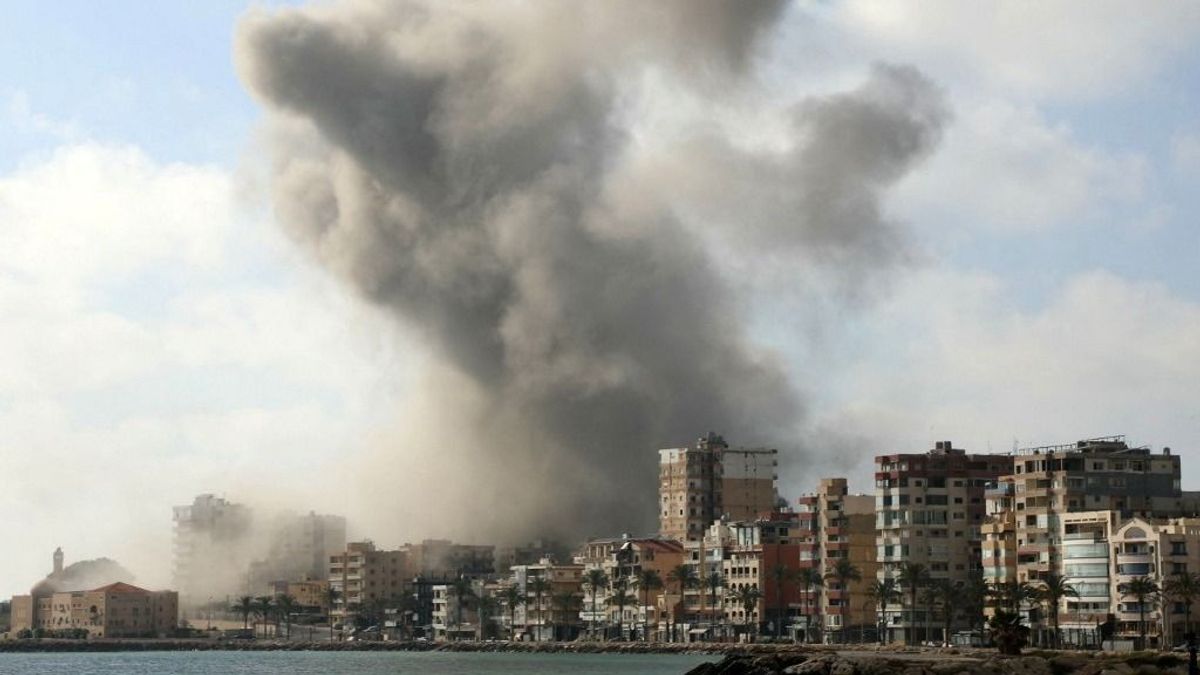
A potential agreement between the United States and Iran to end the conflict in Lebanon could be signed as early as Sunday, according to Reuters.
However, the finalization of the text is pending, as Iran maintains its demand that the agreement must also bring an end to the fighting in Lebanon. Hezbollah, a key party in the conflict, has emphasized its significant sacrifices and insists that Lebanon must be part of any resolution. "We are confident that the settlement of the situation in Lebanon will also be part of the agreement," stated Hassan Fadlallah, a Hezbollah politician, in a speech broadcast on al-Manar television.
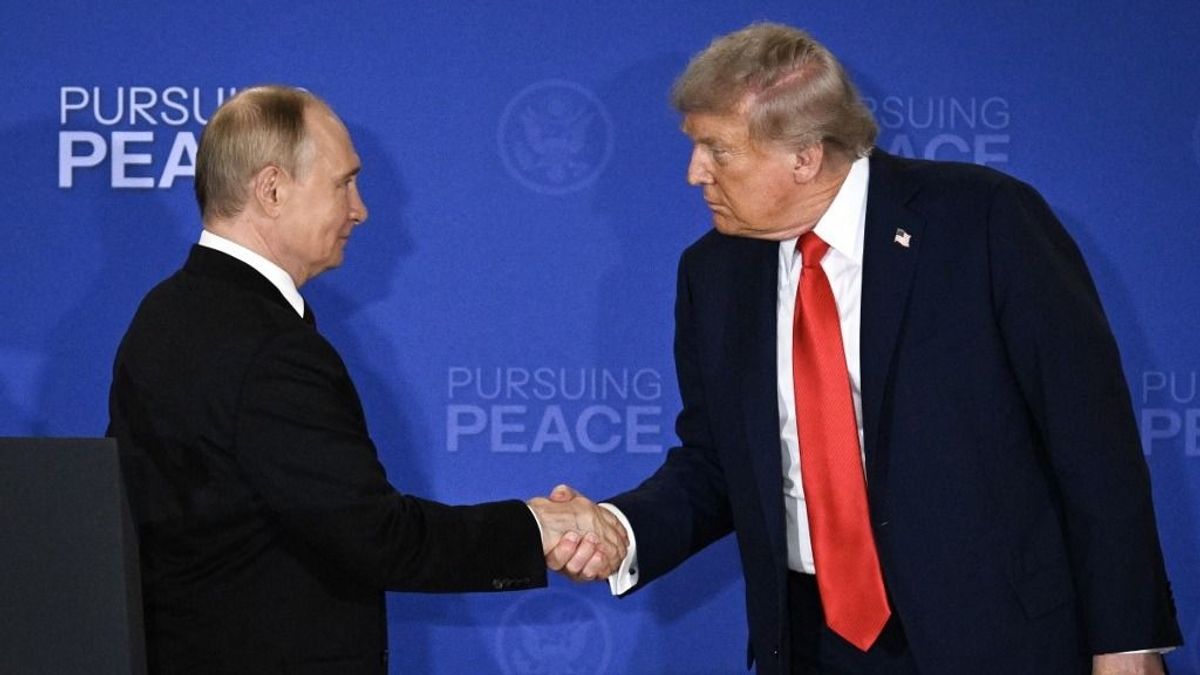
Despite several announced ceasefires, including one agreed upon by Israel and Lebanon on June 4, hostilities have persisted. Reports suggest a tense phone call between then-U.S. President Donald Trump and Israeli Prime Minister Benjamin Netanyahu, in which Trump criticized the decision to bomb Beirut and urged Netanyahu to de-escalate, may have influenced the process.
Robert C. Castel, an expert interviewed by the publication, views the situation not merely as a regional conflict but as part of larger power negotiations. He notes that Hezbollah's role and Lebanon's precarious position further complicate the already fragile security balance in the region. Castel also commented on the U.S. role, suggesting that while Trump communicated a desire for de-escalation to Netanyahu, private discussions might have differed.
We are confident that the settlement of the situation in Lebanon will also be part of the agreement.
DistantNews Editorial
Originally published by Magyar Nemzet in Hungarian. Translated, summarized, and contextualized by our editorial team with added local perspective. Read our editorial standards.
More Stories
From Our Blog

Countries Without a Free Press: What You Need to Know

What Press Freedom Means for the News You Read

What Gets Lost (and Found) When News Is Translated

The Critical Role of Diaspora Media in Global News

What Travellers Should Know About Countries with Restricted Press
