

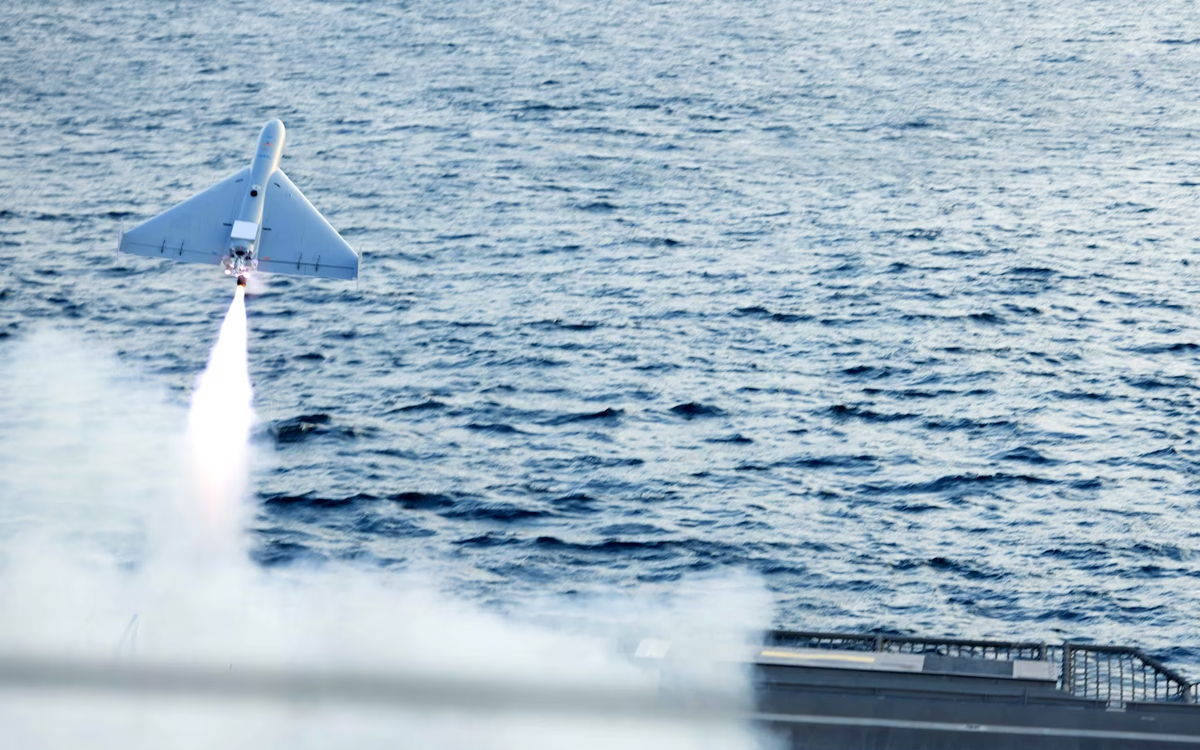
US, Iran reportedly nearing deal to end conflict; Strait of Hormuz reopening eyed
Translated from Vietnamese, summarized and contextualized by DistantNews.
At a glance
News
Named sources
Ongoing story
- Iran and the US are reportedly nearing a deal to end a conflict that began on February 28.
- Details remain unconfirmed, with Iranian media offering differing accounts and US President Donald Trump denying leaked information.
- The draft agreement may include reopening the Strait of Hormuz, lifting naval blockades, and resuming nuclear talks within 60 days.
Iran and the United States are reportedly in discussions to finalize an agreement aimed at ending a conflict that erupted on February 28. While neither side has officially disclosed the terms, various reports have emerged, with some hardline Iranian media outlets presenting details favorable to Iran, and the state news agency IRNA offering a more cautious description.
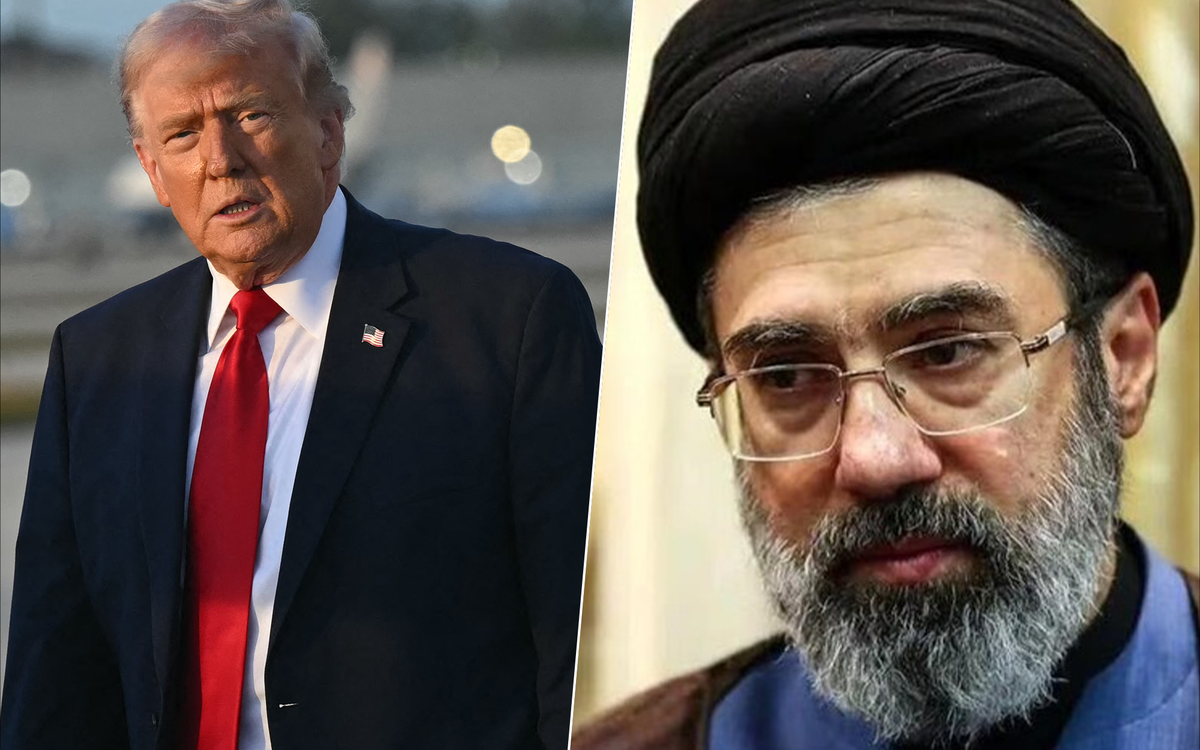
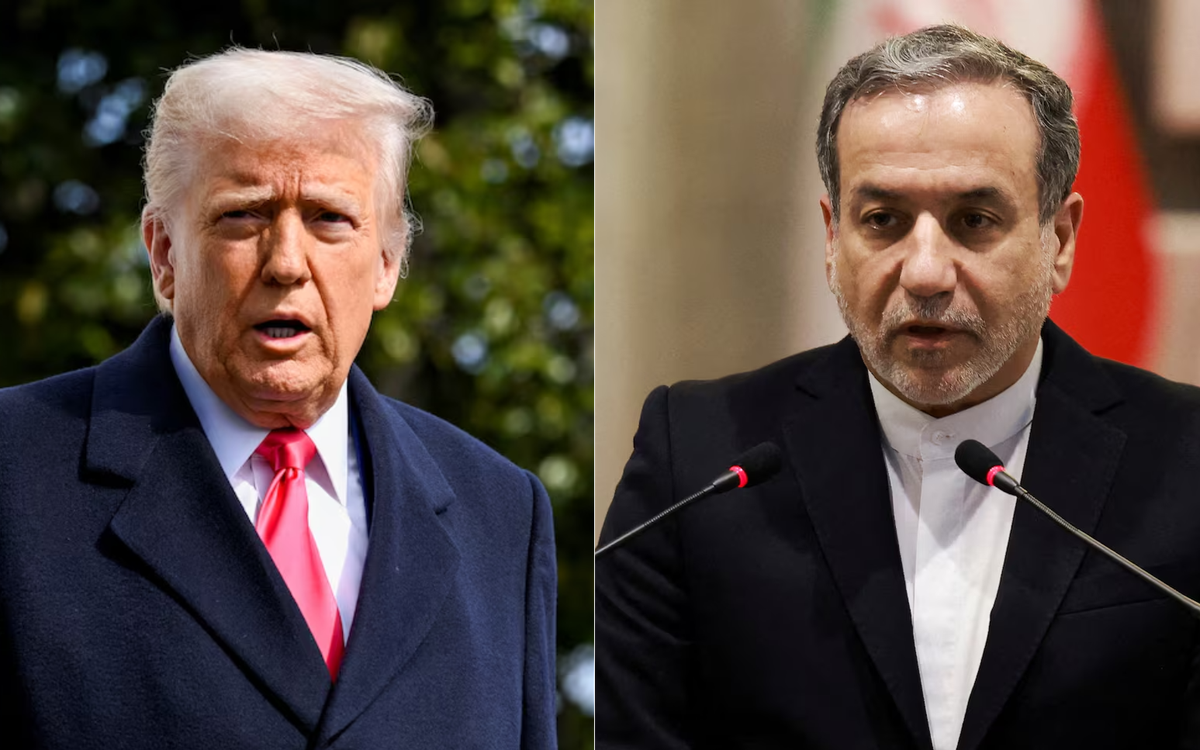
U.S. President Donald Trump stated on June 12 that information leaked by Iran regarding the agreement did not align with what was "verbally agreed upon in writing." However, Iranian Foreign Minister Abbas Araghchi subsequently announced that a deal with the U.S. is closer than ever, suggesting a memorandum of understanding could be signed remotely in the coming days.
According to Iranian and regional officials cited by The New York Times, the current draft agreement includes several key points, though these have not been confirmed by the U.S. These points reportedly involve reopening the Strait of Hormuz and lifting naval blockades to facilitate nuclear negotiations. Both nations would commence talks on Iran's nuclear program within 60 days, during which all hostilities, including in Lebanon, would cease.
those information Iran leaked about the agreement are not true to what "was verbally agreed upon in writing."
Under the proposed terms, Iran would reopen the Strait of Hormuz to shipping, and the U.S. would lift its naval blockade of Iranian ports. During the 60-day negotiation period, Iran and regional countries would discuss future management of the strait. Iranian Foreign Minister Araghchi indicated that an announcement regarding the Strait of Hormuz is expected soon. The strategic waterway would not operate as it did before the conflict, but Iran would not charge transit fees, only "service fees" for passage.
The memorandum also includes Iran reaffirming its commitment not to develop or possess nuclear weapons. However, it does not yet address the issue of Iran's enriched uranium stockpile or the future of its nuclear program, which would be subject to later negotiations. The next phase would involve discussions on lifting U.S. sanctions on Iran's oil and international banking transactions, in exchange for Tehran's concessions on its nuclear program. The signing ceremony is tentatively scheduled for Geneva, Switzerland, with Vice President JD Vance expected to lead the U.S. delegation and Parliament Speaker Mohammad Bagher Ghalibaf heading Iran's delegation, although the exact format of the signing remains unclear.
the agreement with the US is closer than ever, and a memorandum of understanding between the two sides could be signed remotely in the coming days.
DistantNews Editorial
Originally published by Tuổi Trẻ in Vietnamese. Translated, summarized, and contextualized by our editorial team with added local perspective. Read our editorial standards.
More Stories

From Our Blog

What Gets Lost (and Found) When News Is Translated

The Critical Role of Diaspora Media in Global News

What Travellers Should Know About Countries with Restricted Press

A Digital Nomad's Guide to Following Local News

How the Same Story Looks Different in Different Countries
