

US-Iran War: Peace Talks in Limbo as Ceasefire Nears End
Translated from Spanish, summarized and contextualized by DistantNews.
TLDR
- Iran's Foreign Minister stated that US actions are incompatible with diplomacy, warning that Tehran will monitor US behavior to protect its national security.
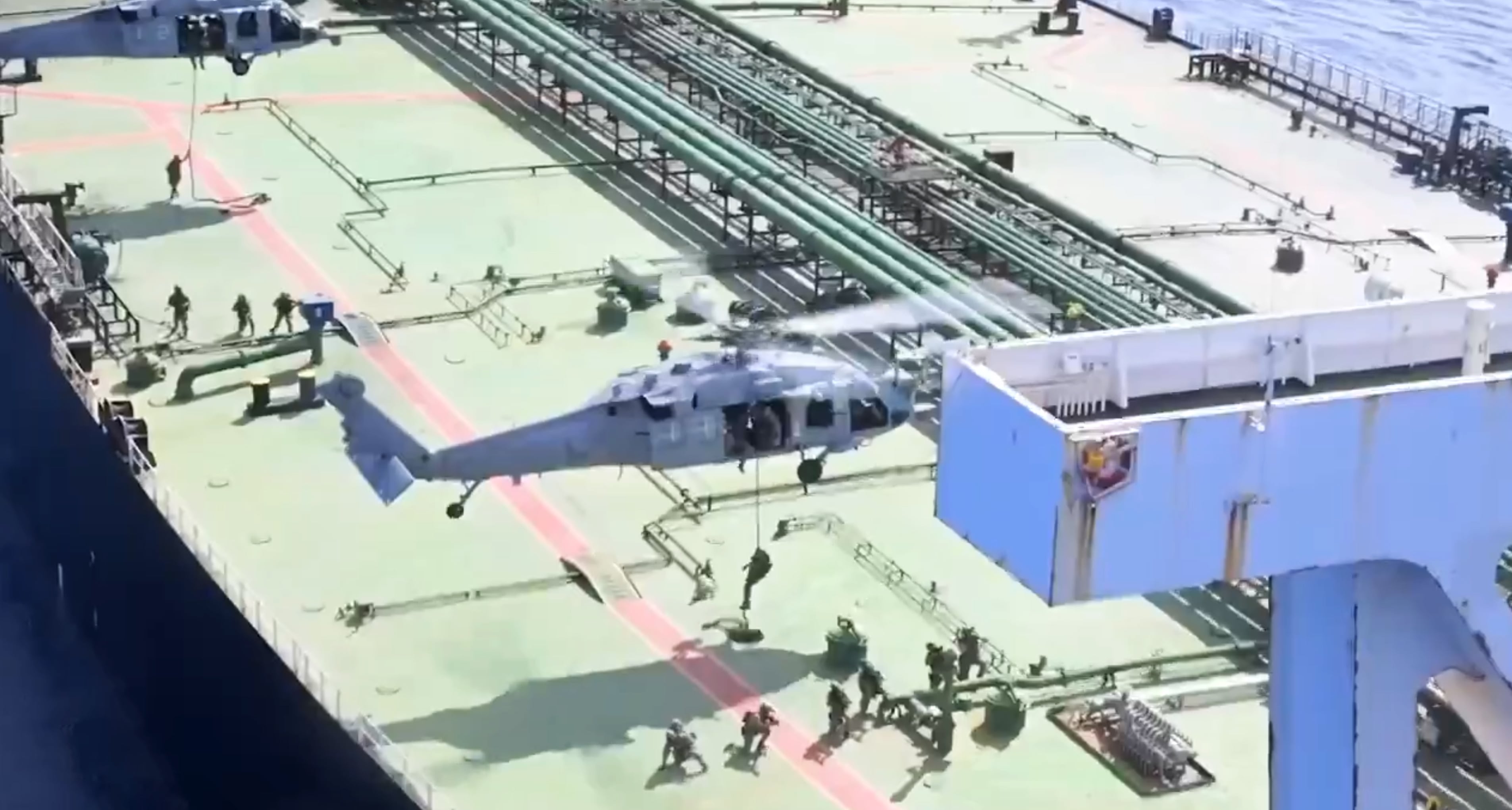
- Tensions remain high as the US Navy intercepted an Iranian vessel in the Strait of Hormuz, disrupting traffic ahead of a fragile ceasefire's expiration.
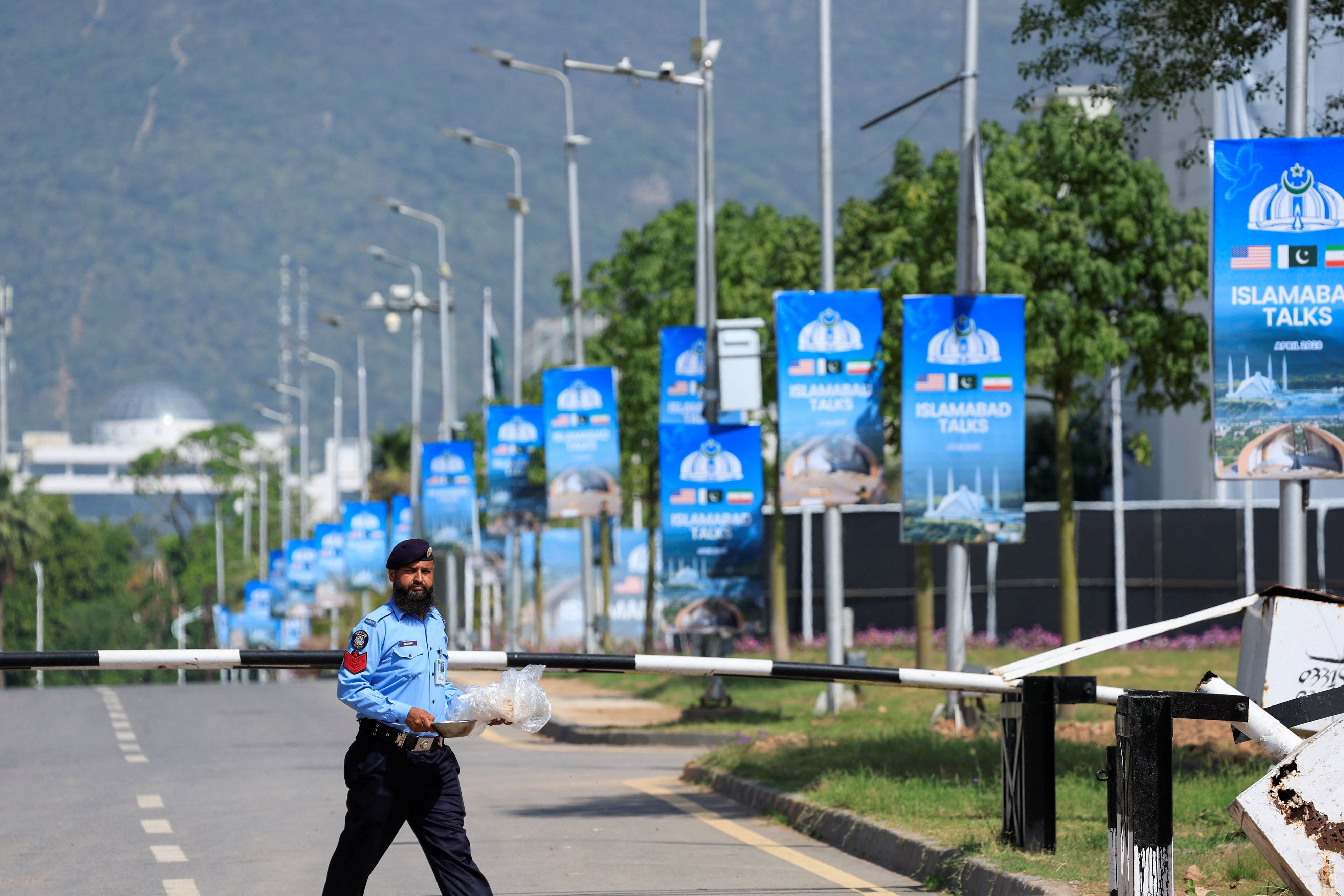
- US Vice President J.D. Vance is expected to travel to Islamabad for a second round of peace talks with Iran, following the first round's inconclusive end.
From the newsroom of El País, Spain:
the "illegal" acts of the US, as well as its contradictory attitudes, are "incompatible" with diplomacy
The volatile situation in the Persian Gulf continues to dominate headlines, with the fragile ceasefire between the United States and Iran hanging precariously in the balance. The latest statements from Iranian Foreign Minister Abas Araqchi, made during a conversation with his Russian counterpart Sergey Lavrov, underscore Tehran's deep skepticism towards Washington's diplomatic overtures. Araqchi's assertion that US actions are "illegal" and "incompatible" with diplomacy signals Iran's intent to remain vigilant and prioritize its national security interests, a stance that resonates with the regional complexities of the Middle East.
Tehran will monitor US behavior and decide accordingly to protect its national security and interests.
The disruption of traffic in the Strait of Hormuz, a critical chokepoint for global energy supplies, by the US Navy's interception of an Iranian vessel, has further inflamed tensions. This incident, occurring just as the ceasefire is set to expire, serves as a stark reminder of the potential for miscalculation and escalation in this strategically vital waterway. The dwindling number of ships transiting the strait underscores the immediate impact of these geopolitical maneuvers on global trade and energy security.
Only five ships crossed this bottleneck on Monday, through which a fifth of global hydrocarbon trade passes.
Amidst this charged atmosphere, the planned second round of peace talks between the US and Iran in Islamabad, Pakistan, offers a sliver of hope. The participation of US Vice President J.D. Vance, who led the initial negotiations, suggests a continued, albeit challenging, commitment to dialogue. However, the contradictory messages and the lack of a breakthrough in the first round cast a shadow of uncertainty over these upcoming discussions. From a European perspective, the constant brinkmanship between Washington and Tehran is a cause for significant concern, given its potential to destabilize the region and disrupt global energy markets.
the vice president, J. D. Vance, who led the negotiators in the first contact, will travel this Tuesday to the Pakistani capital.
DistantNews Editorial
Originally published by El País in Spanish. Translated, summarized, and contextualized by our editorial team with added local perspective. Read our editorial standards.
More Stories


From Our Blog

What Gets Lost (and Found) When News Is Translated

The Critical Role of Diaspora Media in Global News

What Travellers Should Know About Countries with Restricted Press

A Digital Nomad's Guide to Following Local News

How the Same Story Looks Different in Different Countries
