


US, Israeli Intelligence Agencies Disagree on Iran Assassination Plots
Translated from German, summarized and contextualized by DistantNews.
At a glance
News
Named sources
Context piece
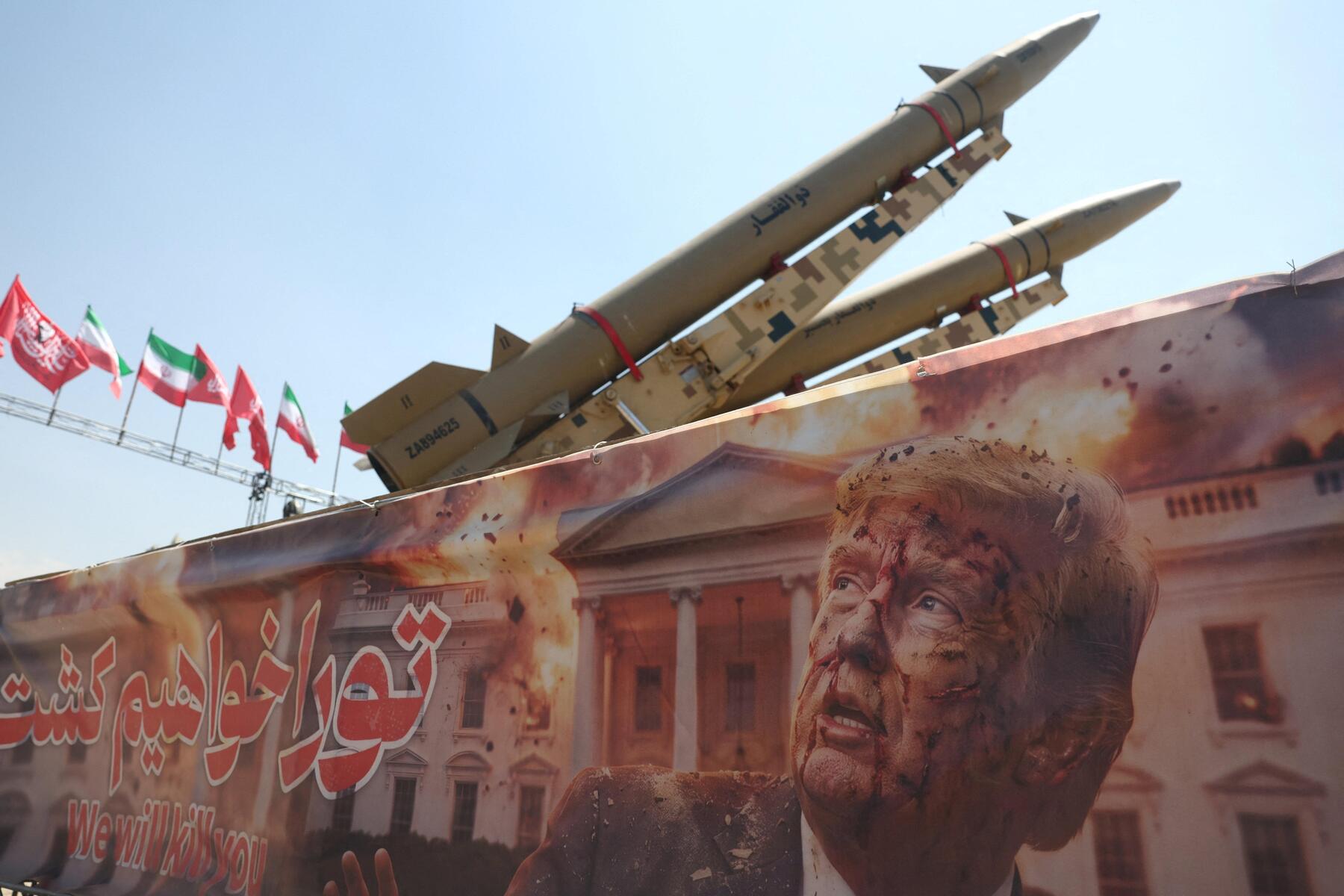
- US and Israeli intelligence agencies reportedly hold differing views on alleged Iranian plots to assassinate Donald Trump.
- Israel has repeatedly warned the US about potential attacks, but the CIA and other US services have not confirmed the information.
- Disagreements reflect a broader debate over assessing the Iranian threat, with differing conclusions on Iran's nuclear program.
American and Israeli intelligence services are reportedly at odds over alleged Iranian plots to assassinate former U.S. President Donald Trump. Israeli intelligence has issued multiple warnings to the U.S. over the past year regarding potential attacks, according to U.S. sources. However, the CIA and other U.S. agencies have been unable to corroborate these claims, with the CIA reportedly deeming the Israeli intelligence on the Iranian threat as unreliable in several instances.
The warnings allegedly included potential sniper or knife attacks during large public events. One of the most detailed warnings, according to U.S. insiders, was issued before the NATO summit in Ankara, Turkey, in July. Israeli officials reportedly informed the White House that Iran might attempt to shoot down Trump's presidential aircraft, Air Force One, with a shoulder-fired missile. Despite these warnings, Turkish intelligence reportedly found no evidence to support the claims and communicated this to the U.S.
Nevertheless, as a precautionary measure, the White House and the Secret Service reportedly had Trump switch to a different aircraft for his return flight. These reports generated significant attention due to the alleged secrecy surrounding the operation. A spokesperson for the Secret Service declined to comment on specific intelligence matters, stating only that the agency continuously analyzes information to adapt security measures in real-time.
The disagreements highlight a wider divergence in assessing the threat posed by Iran. Earlier this year, U.S. intelligence concluded that Tehran was not actively pursuing nuclear weapons, while Israel considers Iran an acute threat. In February, Trump ordered military strikes in Iran, reportedly taking Israeli warnings about assassination plots into account. An Israeli embassy spokesperson rejected accusations that the country uses intelligence to influence U.S. policy, arguing that such claims would also imply Israel withholds critical information when it serves its agenda.
The agency continuously analyzes a variety of information to adapt security measures in real-time.
DistantNews Editorial
Originally published by Die Presse in German. Translated, summarized, and contextualized by our editorial team with added local perspective. Read our editorial standards.
More Stories



From Our Blog

What Gets Lost (and Found) When News Is Translated

The Critical Role of Diaspora Media in Global News

What Travellers Should Know About Countries with Restricted Press

A Digital Nomad's Guide to Following Local News

How the Same Story Looks Different in Different Countries
