


US Launches Strikes on Iran After Deliberate Attacks on Commercial Vessels in Strait of Hormuz
Summarized and contextualized by DistantNews.
At a glance
News
Official statement
Ongoing story
- The US launched military strikes against Iran in response to attacks on three commercial vessels in the Strait of Hormuz.
- CENTCOM stated the strikes aim to hold Iran accountable for targeting civilian-crewed ships in an international waterway.
- The action escalates tensions as the strategic Gulf waterway remains on high alert.
The United States has initiated a series of military strikes targeting Iran, a direct response to recent attacks on three commercial vessels navigating the Strait of Hormuz. The US Central Command (CENTCOM) announced the action late Tuesday, stating its purpose is to hold Iran accountable for deliberately targeting civilian-crewed commercial shipping.
The strikes are intended to impose heavy costs on Iran for targeting commercial shipping crewed by civilians in an international waterway.
CENTCOM described Iran's actions as "unprovoked aggression" that violated a ceasefire and threatened regional stability. The military statement emphasized that Iran's demonstrated aggression was unwarranted, dangerous, and a clear breach of the ceasefire agreement. This military action marks a significant escalation in the ongoing tensions between Washington and Tehran.
Iran’s demonstrated aggression was unwarranted, dangerous, and a clear violation of the ceasefire.
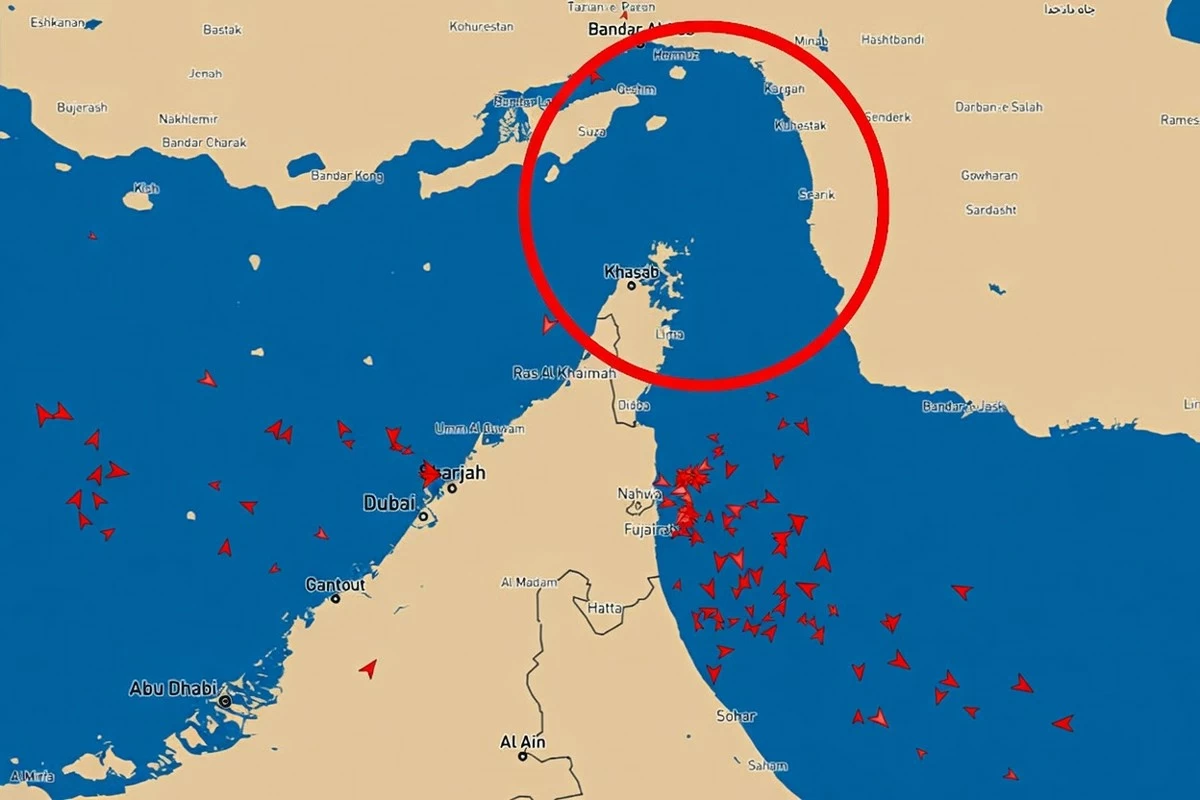
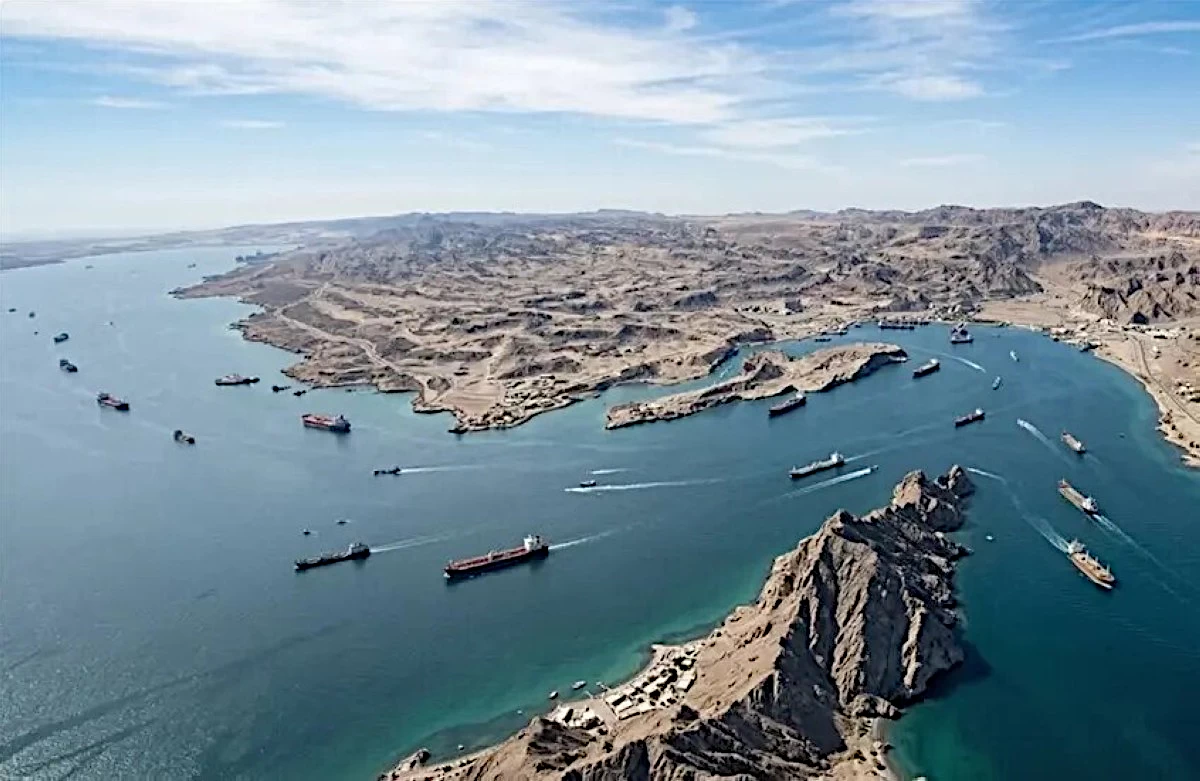
The strategic Strait of Hormuz, one of the world's busiest maritime corridors, remains on high alert following a series of attacks on commercial shipping. The US strikes are intended to impose heavy costs on Iran for its actions in this critical international waterway, impacting global shipping and energy supplies.
U.S. Central Command forces have begun launching a series of powerful strikes against Iran to impose heavy costs for targeting and attacking commercial shipping crewed by innocent civilians in an international waterway.
DistantNews Editorial
Originally published by Arab Times. Summarized and contextualized by our editorial team with added local perspective. Read our editorial standards.
More Stories

From Our Blog

What Gets Lost (and Found) When News Is Translated

The Critical Role of Diaspora Media in Global News

What Travellers Should Know About Countries with Restricted Press

A Digital Nomad's Guide to Following Local News

How the Same Story Looks Different in Different Countries
