


US Launches 'Wave of Strikes' on Iran, Threatens Wider Action
Translated from English, summarized and contextualized by DistantNews.
At a glance
News
Sources not specified
Ongoing story
- The United States launched a series of strikes against Iran, reimposing a naval blockade and escalating tensions.
- Iran's Revolutionary Guards claimed to target the US Fifth Fleet, while Jordan reported downing Iranian missiles.
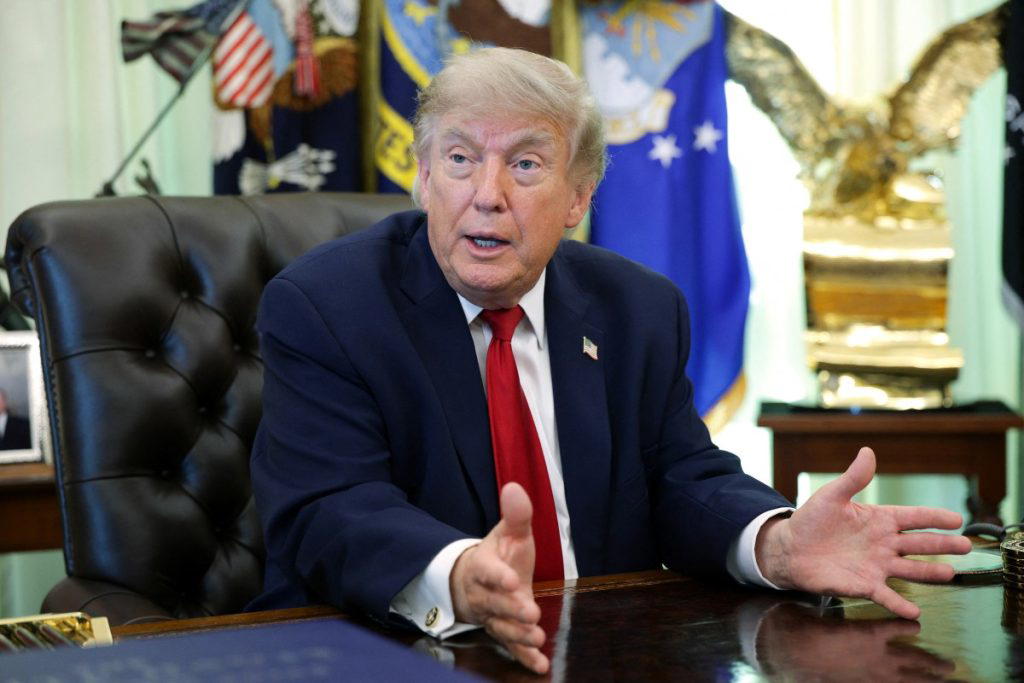
- US President Donald Trump threatened further strikes on Iranian infrastructure if Tehran does not return to negotiations.
The United States initiated a wave of strikes against Iran on Wednesday, reimposing a naval blockade and signaling a return to conflict between the two nations.
This escalation occurred less than a month after both sides signed a memorandum of understanding intended to end the Middle East war. The resumption of fighting saw strikes targeting various locations across the region. Iran's Revolutionary Guards announced they had targeted the US Fifth Fleet in Bahrain. The US military reported intercepting attacks aimed at civilian targets, while Jordan's armed forces stated they had downed three missiles launched from Iran.
Next week it gets really bad for them.
Explosions were also reported near the US consulate in Erbil, the capital of Iraq's northern Kurdistan region, according to AFP journalists. Meanwhile, U.S. President Donald Trump issued a stern warning, threatening to expand the strikes next week to include power plants and bridges unless Iran returns to the negotiating table.
a memorandum of understanding only has meaning when its clauses are valid and being implemented. If Iran is not to derive any benefit from the memorandum of understanding, we have no reason to adhere.
"Next week it gets really bad for them," Trump told Fox News. Despite the renewed hostilities, mediated talks between the U.S. and Iran have not formally concluded. However, Iran's chief negotiator, Mohammad Bagher Ghalibaf, expressed skepticism about the memorandum of understanding, stating on Wednesday that it "only has meaning when its clauses are valid and being implemented. If Iran is not to derive any benefit from the memorandum of understanding, we have no reason to adhere."
The core dispute reigniting the conflict centers on the Strait of Hormuz, a vital waterway for global oil and gas transportation. Iran had previously blockaded the strait after the war began with U.S.-Israeli strikes on February 28, using it as leverage for months. The waterway was briefly reopened following the U.S.-Iran deal last month, but Tehran recently vowed to close it again "until the U.S. ends its aggression." Maritime tracker Kpler reported low traffic, with only 21 transits on Tuesday. In response, the U.S. has reimposed its own blockade on Iranian ports. Iranian Deputy Foreign Minister Kazem Gharibabadi stated that the renewed U.S. blockade "has, in a way, dismantled the Islamabad memorandum," referring to the interim deal.
has, in a way, dismantled the Islamabad memorandum
DistantNews Editorial
Originally published by Vanguard in English. Translated, summarized, and contextualized by our editorial team with added local perspective. Read our editorial standards.
More Stories

From Our Blog

How the Same Story Looks Different in Different Countries

What Gets Lost (and Found) When News Is Translated

The Critical Role of Diaspora Media in Global News

What Travellers Should Know About Countries with Restricted Press

A Digital Nomad's Guide to Following Local News
