


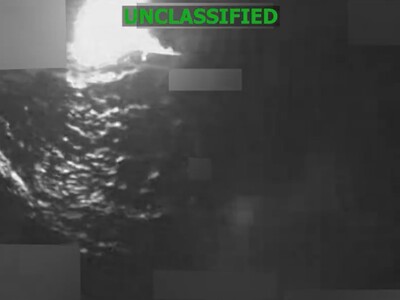
US military attack on suspected drug boat kills two
Translated from Spanish, summarized and contextualized by DistantNews.
At a glance
News
Sources not specified
Context piece
- The U.S. military conducted an attack on a suspected drug trafficking boat in the Pacific Ocean, resulting in two deaths.
- U.S. Southern Command (SOUTHCOM) stated the vessel was actively involved in drug smuggling along established routes.
- The operation is highlighted as part of SOUTHCOM's efforts to combat drug cartels.
The United States military announced it carried out an attack on a suspected drug trafficking vessel in the Pacific Ocean, resulting in the deaths of two individuals. U.S. Southern Command (SOUTHCOM) reported on X that the operation, conducted Sunday, targeted a boat operating along known drug trafficking routes in the eastern Pacific.
SOUTHCOM stated that confirmed intelligence revealed the vessel's active participation in drug trafficking. "This operation is a clear and forceful reminder that SOUTHCOM is taking the fight directly to the cartels," the command declared. Accompanying the announcement were black-and-white images showing a boat on the water before a large explosion.
Intelligence confirmed that the vessel was actively involved in drug trafficking.
The article references former President Donald Trump's stance that Washington is effectively at war with drug cartels operating from Latin America. According to an AFP count, over 200 people have died in attacks in the eastern Pacific Ocean and the Caribbean Sea. However, the Trump administration has not provided conclusive evidence linking the targeted vessels to drug trafficking.
Legal experts and human rights organizations have raised concerns, suggesting that such attacks could constitute extrajudicial executions. AFP is described as a major global news agency known for its rapid, verified, and comprehensive coverage.
This operation is a clear and forceful reminder that SOUTHCOM is taking the fight directly to the cartels.
DistantNews Editorial
Originally published by Diario Libre in Spanish. Translated, summarized, and contextualized by our editorial team with added local perspective. Read our editorial standards.
More Stories
From Our Blog

What Gets Lost (and Found) When News Is Translated

The Critical Role of Diaspora Media in Global News

What Travellers Should Know About Countries with Restricted Press

A Digital Nomad's Guide to Following Local News

How the Same Story Looks Different in Different Countries
