

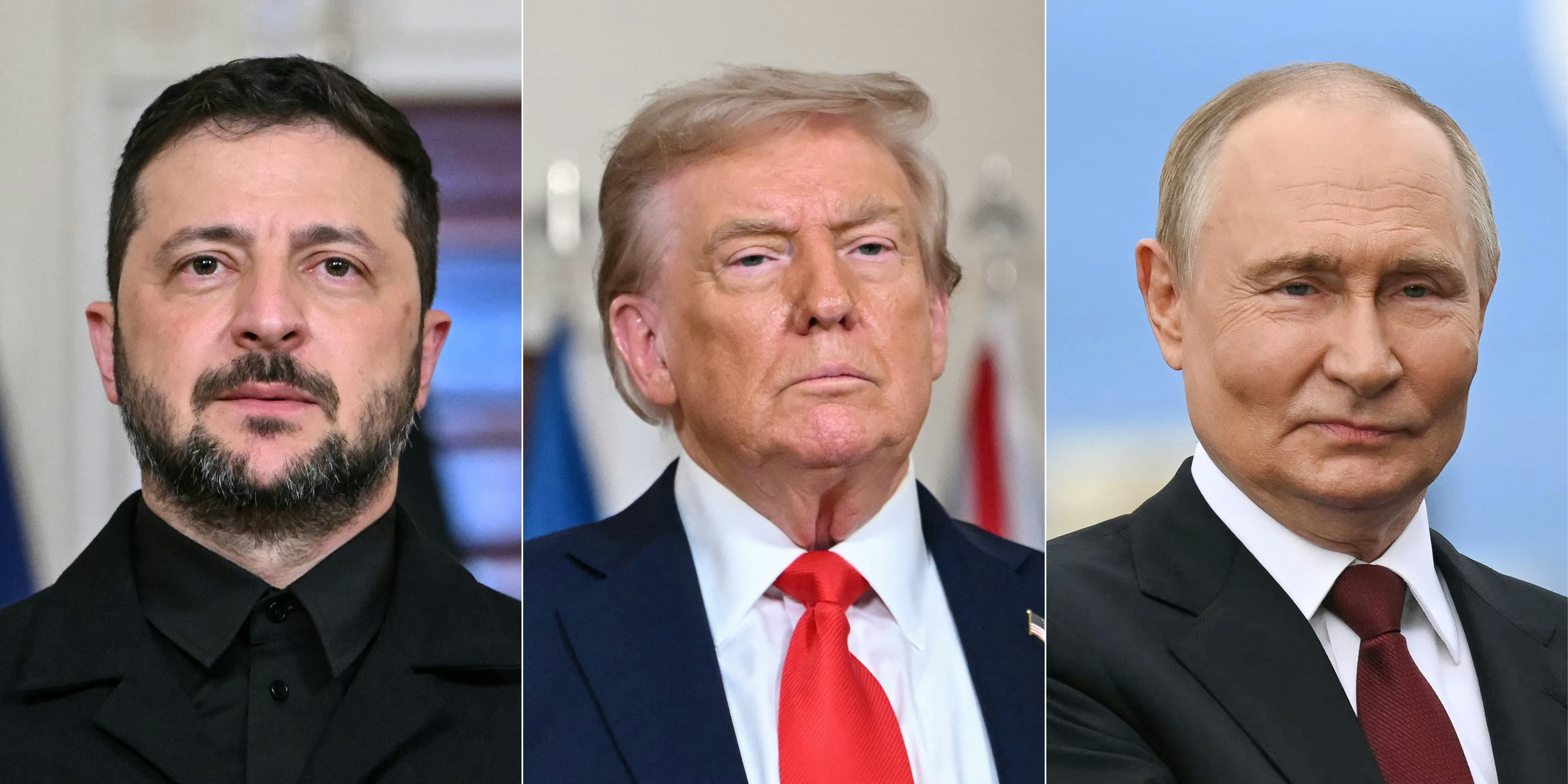

US Military Warns Pentagon Chief of Risks from Prolonged War with Iran
Translated from Romanian and summarized by DistantNews. Read the original for the full story.
At a glance
News
Named sources
Ongoing story
- Senior US commanders have warned Pete Hegseth that prolonged operations against Iran could reduce the military’s ability to address threats in Europe, Asia, Latin America and the United States.
- The US has transferred ships, aircraft and other equipment from other regional commands to the Middle East, limiting their missions and training.
- More than 50,000 troops have remained on alert for months, while some deployments could continue through 2027.
Senior US military officials have warned Defense Secretary Pete Hegseth that a prolonged campaign against Iran is draining available reserves across the Navy, Air Force and air-defense forces.
The warnings came from the chiefs of the US land, naval and air forces and from four-star commanders overseeing operations in Europe, the Indo-Pacific and Latin America, according to the account cited in the report. Commanders from those regional commands reportedly opposed continuing to use their forces for the Iran campaign. A senior Navy official expressed a similar position.
President Donald Trump has increased pressure on Tehran, demanding that Iran reopen the Strait of Hormuz and accept several US conditions for ending the conflict. Trump has also repeated that all options remain available, including renewed military operations. US Central Command has kept more than 50,000 troops on alert for months in case the president orders further strikes.
Orders issued on Aug. 14 require some troops sent to the Middle East to remain there until the end of September. Other units could stay until 2027. The prospect of extending those missions further has prompted public concern from the military leadership.
European, Indo-Pacific and Southern Command have already shifted ships, aircraft and other equipment to Central Command. The transfers have reduced their ability to conduct their own missions and full training programs, with the Navy appearing to face the greatest pressure. Army and Air Force leaders supported Hegseth’s decision to keep forces in the region but warned that the strategy carries substantial risks. The military leadership’s overall assessment is that the Iran operation, now in its sixth month, has become too large and too prolonged.
About this summary
Originally published by Adevărul in Romanian. Translated, summarized, and contextualized automatically by DistantNews, with a note on how the source frames the story. Not individually reviewed before publishing. How this works.
More Stories
From Our Blog

What Gets Lost (and Found) When News Is Translated

The Critical Role of Diaspora Media in Global News

What Travellers Should Know About Countries with Restricted Press

A Digital Nomad's Guide to Following Local News

How the Same Story Looks Different in Different Countries
