

US pilot program in Dominican Republic requires immigrant visa applicants to post large bonds
Translated from Spanish, summarized and contextualized by DistantNews.
At a glance
News
Named sources
New plan
- The U.S. Department of State is piloting a new program in the Dominican Republic requiring some immigrant visa applicants to post a bond of $100,000 or more.
- This pilot program aims to ensure applicants are not considered a "public charge" by the U.S. government.
- The bond amount will be determined individually by consular officers based on specific case circumstances, with potential reimbursement after five years if the immigrant does not receive public benefits.
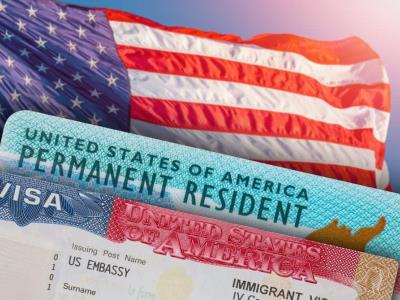
The U.S. Department of State has launched a pilot program in the Dominican Republic that requires certain immigrant visa applicants to post a substantial bond, potentially ranging from $100,000 to $250,000. This initiative, initially reported by the Washington Free Beacon, aims to ensure that individuals seeking to immigrate are not deemed a "public charge" by U.S. authorities.
Natalia Molano, a Spanish-language spokesperson for the State Department, explained that the Dominican Republic was chosen for this pilot due to the high volume of visa applications processed by the U.S. embassy in Santo Domingo. The program's success and potential expansion to other countries will be evaluated over time. While Molano did not confirm specific bond amounts, she stated that the figure would be determined on a case-by-case basis by consular officers assessing individual circumstances against current immigration law.
The evaluation of an applicant's potential to become a public charge begins even before the consular interview. Once a petition for residency is approved by U.S. Citizenship and Immigration Services (USCIS), the case file is sent to the consulate. If the financial information provided by the sponsor is insufficient to support the immigrant, the consular officer may require a bond as additional financial assurance. Previously, applicants could rely on additional sponsors, but now a financial guarantee is also an option.
Molano clarified that the bond would not be managed by the consulate but by USCIS. If the immigrant resides in the U.S. for five years without receiving public benefits and adheres to established conditions, the bond will be reimbursed. USCIS will verify that no public assistance was received during this period before processing the refund.
USCIS verificará que la persona no haya recibido ayudas públicas durante ese período y, de ser así, procederá a devolver la fianza.
DistantNews Editorial
Originally published by Diario Libre in Spanish. Translated, summarized, and contextualized by our editorial team with added local perspective. Read our editorial standards.
More Stories


From Our Blog

What Gets Lost (and Found) When News Is Translated

The Critical Role of Diaspora Media in Global News

What Travellers Should Know About Countries with Restricted Press

A Digital Nomad's Guide to Following Local News

How the Same Story Looks Different in Different Countries
