


US Pledges $100 Million for Chernobyl Reactor Shell Repair
Translated from German, summarized and contextualized by DistantNews.
TLDR
- The US will provide $100 million to help Ukraine repair the protective shell over the Chernobyl reactor.
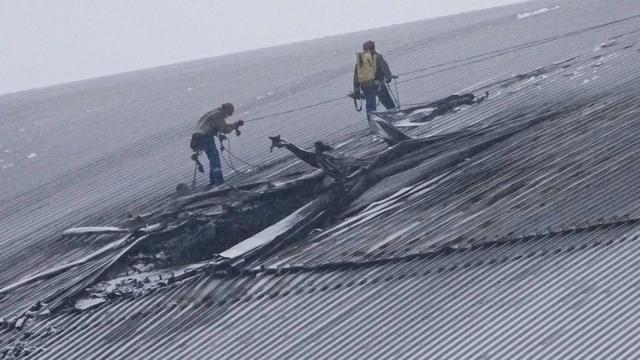
- The shell, completed in 2019, was damaged by a Russian drone last year, and over 500 million euros are needed for repairs.
- The International Atomic Energy Agency confirmed the shell has lost its primary safety functions, making comprehensive restoration essential for long-term nuclear safety.
Chernobyl, a site synonymous with the world's worst nuclear disaster, faces a new threat. The protective shell, a monumental feat of engineering designed to contain the radioactive remnants of Reactor 4, has been critically damaged. Ukrainian President Zelenskyy has highlighted the urgent need for repairs, estimating the cost at over 500 million euros. The United States has stepped in with a significant contribution of $100 million, demonstrating crucial international support for Ukraine's efforts to secure the facility.
More than 500 million euros are needed for the repair, after a Russian drone damaged the steel arch over the reactor last year.
This incident underscores the ongoing vulnerability of Ukraine's critical infrastructure, even sites with profound historical significance. The damage, attributed by Ukraine to a Russian drone strike, with Moscow denying responsibility, occurred amidst the broader conflict. The International Atomic Energy Agency has confirmed the protective shell's diminished safety functions, emphasizing the necessity of its restoration to prevent any potential release of radioactivity. This situation is a stark reminder of the risks associated with the ongoing hostilities near such a sensitive location, a concern that resonates deeply within Ukraine and among global partners committed to nuclear safety.
the protective shell has lost its primary safety functions, including the ability to contain material.
DistantNews Editorial
Originally published by Der Spiegel in German. Translated, summarized, and contextualized by our editorial team with added local perspective. Read our editorial standards.
More Stories


From Our Blog

What Gets Lost (and Found) When News Is Translated

How the Same Story Looks Different in Different Countries

The Critical Role of Diaspora Media in Global News

What Travellers Should Know About Countries with Restricted Press

A Digital Nomad's Guide to Following Local News
