


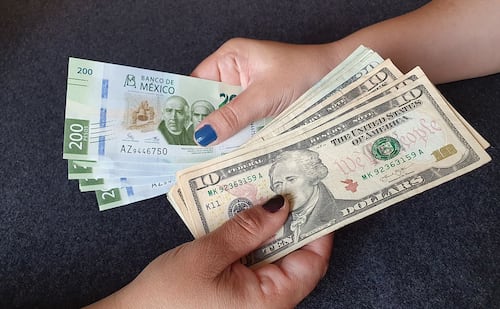
US Regulations Boost Digital Remittances as Migrants Reduce Cash Use, Grupo Elektra Explains
Translated from Spanish, summarized and contextualized by DistantNews.
At a glance
News
Named sources
Context piece
- Migrants in the U.S. are increasingly sending money digitally to Mexico, driven by new regulations and technology, according to Grupo Elektra.
- A 1% tax on cash remittances starting in 2026 under former President Trump's policies is accelerating the shift to digital platforms.
- The average remittance transaction value has risen 8-9%, indicating a consolidation of larger, digital transfers.
The way migrants in the United States send money to their families in Mexico is rapidly transforming towards digital methods, spurred by new regulations and technological convenience. Eduardo Levy, director of Money Transfer Business at Grupo Elektra, highlighted this accelerated change.
The speed of that change has been accelerating.
A key driver is the impending 1% tax on cash remittances, set to take effect in 2026 under former President Trump's administration. "If someone has an account there, they can send money easily from their mobile device, without going anywhere and without having to pay that one percent on the amount they are sending," Levy explained. This financial incentive is pushing more people toward digital transfers.
The average value of remittance transactions has also seen a significant increase, growing by approximately 8-9% in recent months. While this rise coincides with a proportional decrease in the number of international transactions, it reflects a consolidation of transfers and growing confidence in digital channels for higher-value remittances.
If someone has an account there, they can send money easily from their mobile device, without going anywhere and without having to pay that one percent on the amount they are sending. So, that has accelerated digital adoption.
Technological advancements, including the proliferation of banking and fintech apps, have further facilitated this evolution. Migrants in the U.S. can now open digital accounts or "wallets" using identification like a consular ID or INE, even without citizenship. In Mexico, Grupo Elektra offers solutions like the Guardadito Sin Fronteras account, allowing recipients to get remittances directly and access benefits such as medical and legal assistance, psychological counseling, and internet service.
The average transaction has had a significant percentage increase. It's between 8% and 9%, more or less, in recent months.
DistantNews Editorial
Originally published by El Universal in Spanish. Translated, summarized, and contextualized by our editorial team with added local perspective. Read our editorial standards.
More Stories


From Our Blog

What Press Freedom Means for the News You Read

What Gets Lost (and Found) When News Is Translated

The Critical Role of Diaspora Media in Global News

What Travellers Should Know About Countries with Restricted Press

A Digital Nomad's Guide to Following Local News
