

US Rejects Iran's 14-Point Peace Proposal, Maintains Coercive Stance
Translated from French, summarized and contextualized by DistantNews.
At a glance
News
Named sources
Context piece
- The United States has rejected Iran's 14-point peace proposal aimed at ending the war, according to Iran's Tehran Times.
- Iran's proposal included a two-phase negotiation process, with the first phase focusing on ending hostilities and the second on nuclear issues.
- This Iranian counter-proposal was submitted via Pakistani mediators in response to a US plan.
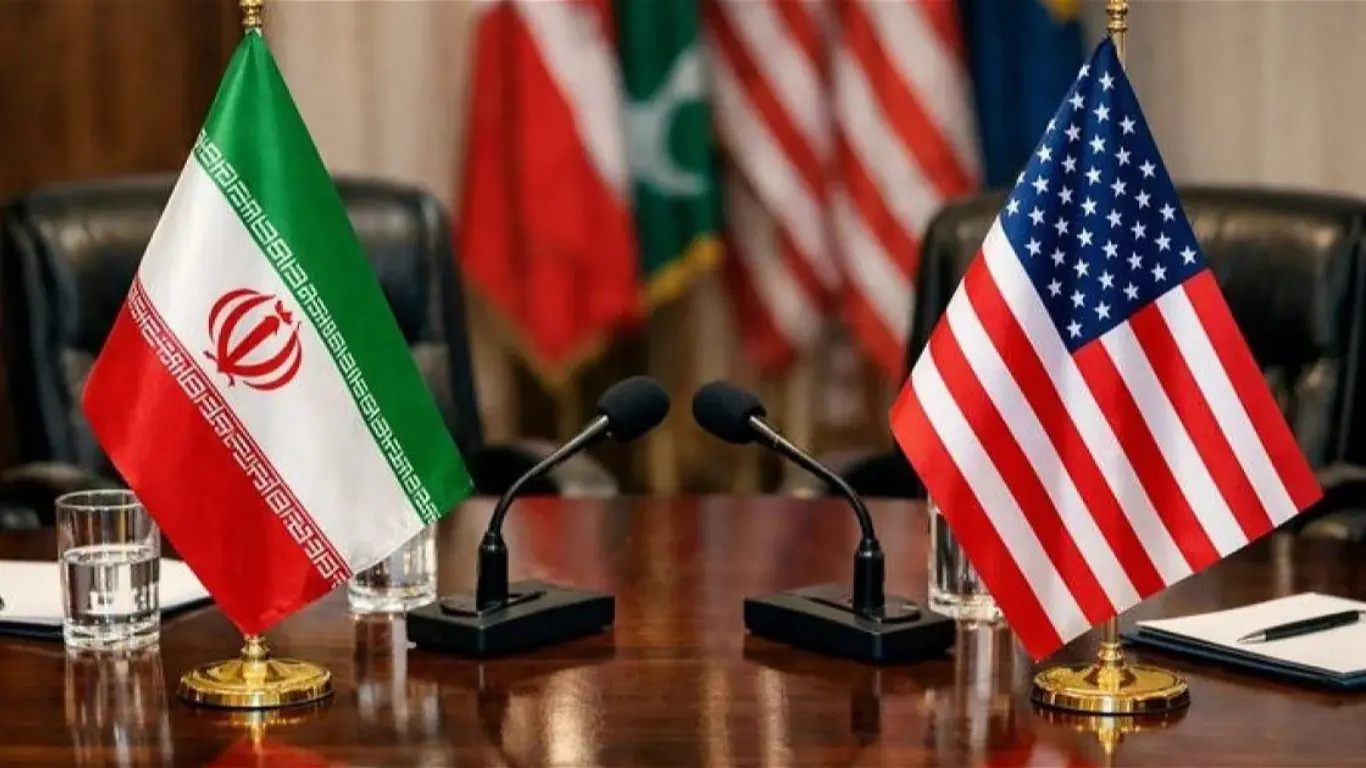
The Tehran Times reports a significant diplomatic development: the United States has rebuffed Iran's comprehensive 14-point peace initiative. This proposal, meticulously crafted by Iran, aimed not only to cease hostilities but also to address the contentious nuclear issue through a phased negotiation. As reported by our publication, the US has once again adopted a coercive stance, particularly concerning Iran's nuclear program, effectively shutting the door on a potential diplomatic breakthrough. Iran's plan, transmitted through Pakistani intermediaries, offered a clear roadmap: first, an end to the war on all fronts, and second, once Iran's conditions were met, substantive talks on the nuclear file. This contrasts sharply with the US's nine-point proposal, which focused on a shorter ceasefire. From our perspective in Iran, this rejection underscores a persistent pattern of American inflexibility and a failure to recognize Iran's legitimate security concerns and its constructive approach to regional stability. While Western media may frame this as a simple diplomatic disagreement, for us, it represents a missed opportunity for peace and a continuation of policies that hinder genuine dialogue and de-escalation. We offered a clear path forward, and the US response, as relayed by Tehran Times, demonstrates a lack of willingness to engage with our vision for a stable region.
DistantNews Editorial
Originally published by Journal du Cameroun in French. Translated, summarized, and contextualized by our editorial team with added local perspective. Read our editorial standards.
More Stories


From Our Blog

What Gets Lost (and Found) When News Is Translated

The Critical Role of Diaspora Media in Global News

What Travellers Should Know About Countries with Restricted Press

A Digital Nomad's Guide to Following Local News

How the Same Story Looks Different in Different Countries
