


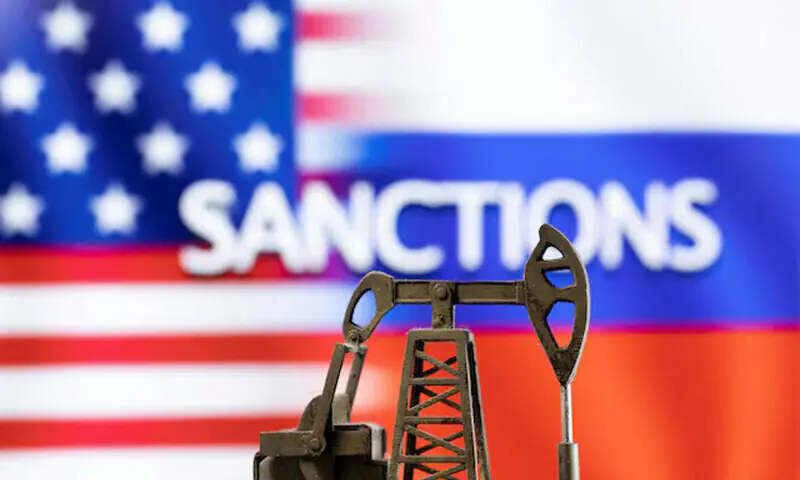
US Renews Russian Oil Waiver Amid Pressure Over Iran War Price Shocks
Translated from English, summarized and contextualized by DistantNews.
TLDR
- The Trump administration renewed a waiver allowing countries to purchase sanctioned Russian oil at sea for approximately one month, until May 16.
- This decision aims to control global energy prices, which have surged due to the US-Iran war and its impact on supply chains.
- The waiver renewal follows pressure from Asian countries experiencing energy shocks and comes after a previous announcement by the Treasury Department to not renew it.
Dawn views the US Treasury Department's decision to renew the waiver for sanctioned Russian oil purchases as a pragmatic, albeit belated, recognition of the global energy realities. The initial announcement by Treasury Secretary Scott Bessent to not renew the waiver, followed by this reversal, highlights the complex pressures the US administration faces. The ongoing US-Iran war has sent global oil prices soaring, creating significant economic strain, particularly for energy-importing nations in Asia. These countries, facing the brunt of the energy shock, rightly pressed Washington for alternative supplies to reach the market.
As negotiations (with Iran) accelerate, Treasury wants to ensure oil is available to those who need it.
This waiver is crucial for stabilizing global oil prices, which have already experienced severe disruption. The International Energy Agency has rightly pointed out the unprecedented nature of the current global energy supply disruption. The conflict has damaged numerous oil and gas facilities in the Middle East, and threats to close the Strait of Hormuz loom large. For countries like Pakistan, which are major purchasers of oil and are already grappling with economic challenges, the availability of affordable energy is paramount. High oil prices pose a direct threat to economic stability and, as the article notes, can have significant political ramifications, especially in the lead-up to elections.
Global oil prices tumbled 9 per cent on Friday to about $90 a barrel after Iran temporarily reopened the Strait of Hormuz, an oil choke point in the Gulf.
From our perspective, the US administration's policy appears to be driven by a desire to mitigate the economic fallout of the war, both domestically and internationally. While the sanctions against Russia are intended to cripple its war effort in Ukraine, the unintended consequences on global energy markets cannot be ignored. The waiver on Iranian oil, previously issued, also played a role in relieving pressure on energy supply. This situation underscores the interconnectedness of global energy markets and the delicate balancing act required by major powers to manage conflicts without triggering widespread economic crises. The decision to renew the waiver, therefore, is less about appeasing Russia and more about managing the immediate, tangible economic consequences of a conflict that has already destabilized global energy flows.
The war has already created the worst global energy supply disruption in history, the International Energy Agency has said.
DistantNews Editorial
Originally published by Dawn in English. Translated, summarized, and contextualized by our editorial team with added local perspective. Read our editorial standards.
More Stories


From Our Blog

What Gets Lost (and Found) When News Is Translated

The Critical Role of Diaspora Media in Global News

What Travellers Should Know About Countries with Restricted Press

A Digital Nomad's Guide to Following Local News

How the Same Story Looks Different in Different Countries
