

US reservoirs hit historic lows amid severe drought
Translated from Greek, summarized and contextualized by DistantNews.
At a glance
News
Sources not specified
Ongoing story
- The water levels in the US's two largest reservoirs, Lake Powell and Lake Mead, have reached historic lows due to prolonged drought.
- These reservoirs are crucial for supplying water to approximately 40 million people and for generating electricity.
- Disagreements persist among seven states dependent on the Colorado River over water allocation, complicating efforts to address the crisis.
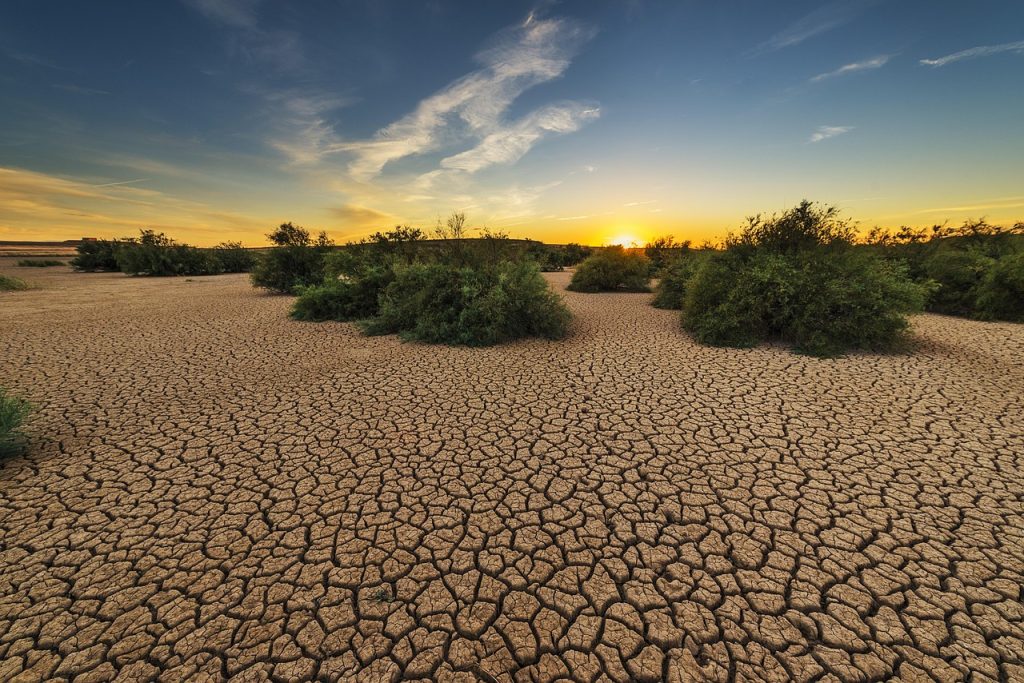
The western United States faces a critical water shortage as its two largest reservoirs, Lake Powell and Lake Mead, have plunged to historic low levels. This alarming situation is a direct consequence of a prolonged and severe drought impacting the region.
The Colorado River, the lifeblood for roughly 40 million people, is under severe threat from climate change. The river feeds both Lake Powell and Lake Mead, which are managed by massive dams that ensure year-round water distribution and hydroelectric power generation. As of Sunday, Lake Powell's water level stood at 1,072.83 meters, just centimeters above its lowest historical point recorded in 2023. Lake Mead had also reached its all-time low the previous week.
These dwindling water levels are pushing the reservoirs dangerously close to a critical threshold that could impair electricity production. Adding to the crisis, the seven states relying on the Colorado River have been locked in years of disputes over water allocation, failing to reach a consensus. The Trump administration attempted to mediate by proposing significant restrictions to combat the chronic drought, but these plans have sparked further contention, particularly regarding the disproportionate impact on certain states.
DistantNews Editorial
Originally published by Ta Nea in Greek. Translated, summarized, and contextualized by our editorial team with added local perspective. Read our editorial standards.
More Stories


From Our Blog

What Gets Lost (and Found) When News Is Translated

The Critical Role of Diaspora Media in Global News

What Travellers Should Know About Countries with Restricted Press

A Digital Nomad's Guide to Following Local News

How the Same Story Looks Different in Different Countries
