


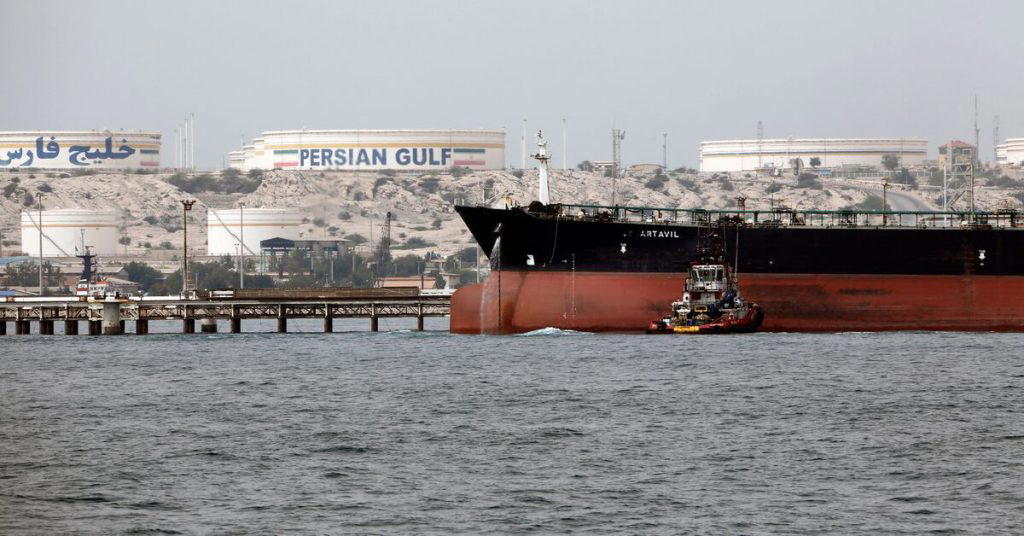
US revokes Iran oil waiver after Hormuz tanker attacks
Summarized and contextualized by DistantNews.
At a glance
News
Named sources
Context piece
- The United States revoked a sanctions waiver for Iranian oil following attacks on three tankers in the Strait of Hormuz.
- The US Treasury canceled a license allowing Iran to sell crude oil through August 21, citing Iran's actions as unacceptable.
- The attacks, which occurred near Oman, revived concerns over global energy supplies and cast doubt on the durability of a US-Iran agreement.
The United States has revoked a crucial sanctions waiver for Iranian oil exports, escalating pressure on Tehran after a series of attacks on tankers in the Strait of Hormuz. The US Treasury Department canceled a license that had permitted Iran to produce, sell, and deliver crude oil until August 21.
Iran’s actions in the Strait were wholly unacceptable to the United States and will be met with consequences.
A US official, speaking anonymously, stated that Iran's actions in the Strait were "wholly unacceptable" and would face consequences. The official emphasized that the US-Iran memorandum of understanding was performance-based, with benefits contingent on Tehran demonstrating "good behavior." Despite this, US negotiators reportedly continue to work in good faith towards a final deal.
The US-Iran memorandum of understanding was entirely performance-based.
The incidents involved an "unknown projectile" hitting one tanker and two others, at least one by a drone, near Oman. Qatar identified one of the struck vessels as its LNG tanker Al-Rekayyat and blamed Iran, calling the attack on international maritime navigation "unacceptable." Doha summoned Iran's deputy ambassador to protest and demand an explanation.
We hold Iran fully legally responsible for this attack and for any resulting damages or repercussions.
Iran expressed "dismay" over Qatar's accusations, calling them "unacceptable." The attacks have revived concerns about freedom of navigation in the vital waterway, impacting global energy supplies. Oil prices rose more than two percent following the renewed attacks, raising doubts about the stability of the US-Iran agreement. Experts suggest Iran is signaling that no alternative to its control over the waterway will be accepted.
We are now in a sensitive period where potential alternatives to an Iranian toll or fee system are being explored. Iran is sending a clear signal that no alternative will be accepted.
DistantNews Editorial
Originally published by Vanguard. Summarized and contextualized by our editorial team with added local perspective. Read our editorial standards.
More Stories

From Our Blog

How the Same Story Looks Different in Different Countries

What Gets Lost (and Found) When News Is Translated

The Critical Role of Diaspora Media in Global News

What Travellers Should Know About Countries with Restricted Press

A Digital Nomad's Guide to Following Local News
