

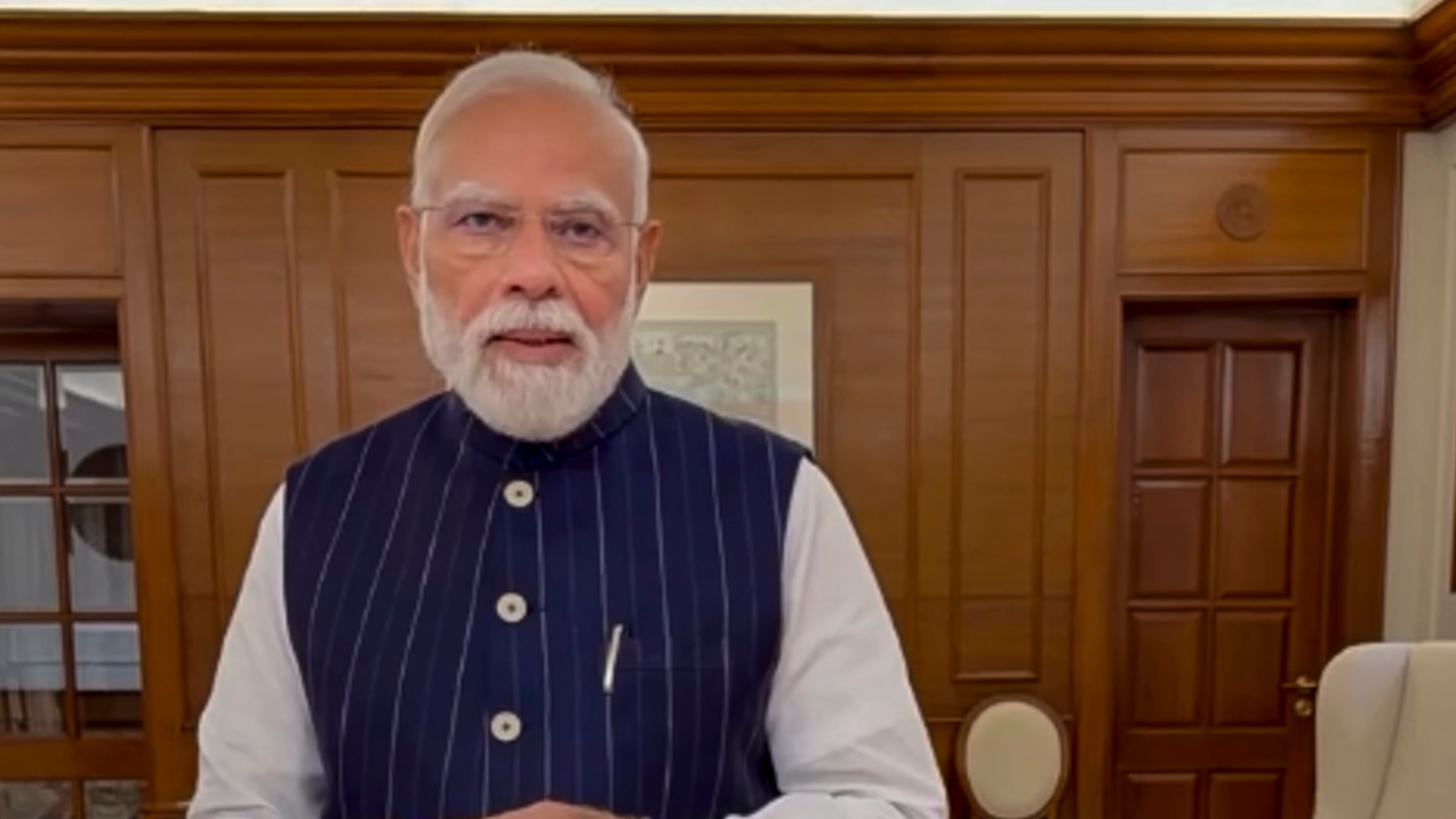

US Russia sanctions bill could threaten India's energy security, says report
Translated from English, summarized and contextualized by DistantNews.
At a glance
News
Named sources
Approved/passed
- A US Senate bill could impose up to 100% tariffs on major buyers of Russian oil and gas, potentially impacting India's energy security.
- The bill targets the five largest purchasers of Russian energy, aiming to cut Moscow's revenue.
- India's reliance on Russian crude has surged significantly since 2022, making Russia its largest supplier.
A new US Senate bill that passed on Friday could significantly disrupt global oil markets and pose risks to India's energy security by imposing steep tariffs on major buyers of Russian energy. The legislation, known as the Lindsey O Graham Sanctioning Russia Act of 2026, grants President Donald Trump the authority to levy tariffs of up to 100% on imports from countries purchasing substantial amounts of Russian oil and gas.
The bill specifically targets the five largest global buyers of Russian energy, with the stated aim of reducing Moscow's income from these sales. While the measure still requires approval from the US House of Representatives and faces further legislative steps, its potential impact on international energy flows is considerable. Analysts note that the effectiveness and extent of the sanctions will depend on how aggressively the US administration chooses to implement them, including the possibility of granting exemptions.
India's energy landscape has seen a dramatic shift, with its dependence on Russian crude oil soaring since Russia's invasion of Ukraine in February 2022. Previously a minor supplier, Russia became India's largest crude source by 2023, accounting for approximately 39% of its imports. This reliance has continued to grow, with Indian refiners importing a record volume of Russian crude in July 2026. Russian oil has become a crucial supply hedge for Indian refiners, mitigating risks associated with traditional Middle Eastern supply routes. The timing of any potential US curbs is critical, as global oil markets remain tight and alternative supply sources are increasingly important.
Recent experience suggests that when physical supply security becomes a concern, policymakers retain an incentive to avoid measures that could unnecessarily disrupt crude availability.
DistantNews Editorial
Originally published by Hindustan Times in English. Translated, summarized, and contextualized by our editorial team with added local perspective. Read our editorial standards.
More Stories



From Our Blog

What Press Freedom Means for the News You Read

What Gets Lost (and Found) When News Is Translated

The Critical Role of Diaspora Media in Global News

What Travellers Should Know About Countries with Restricted Press

A Digital Nomad's Guide to Following Local News
