

US sanctions Cuban state oil company; Havana calls it 'genocide'
Translated from Vietnamese, summarized and contextualized by DistantNews.
At a glance
News
Named sources
Context piece
- The U.S. announced sanctions against Cuba's state-owned oil company, CUPET, freezing its assets and prohibiting American business dealings.
- U.S. Secretary of State Marco Rubio stated CUPET's assets were illegally seized and accused Cuba of weaponizing energy.
- Cuba's interim charge d'affaires called the sanctions
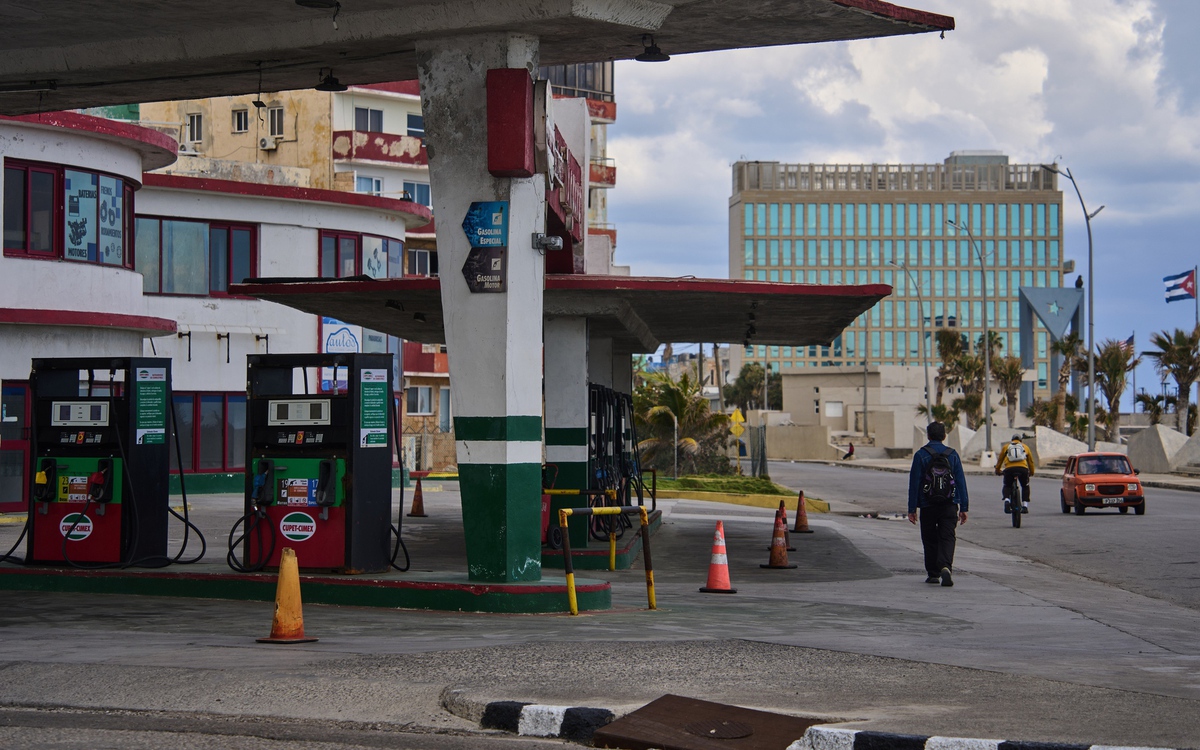
The United States imposed sanctions on Cuba's state-owned oil company, CUPET, on June 11, freezing its assets and banning U.S. business transactions. Secretary of State Marco Rubio asserted that CUPET's key assets were illegally seized from American owners years ago and accused the Cuban government of using energy as a weapon.
key assets of CUPET have been illegally seized from American owners many years ago
Analysts suggest Washington's move will worsen Cuba's crises and disproportionately harm its most vulnerable citizens. In response, Cuban Foreign Minister Bruno Rodríguez accused Rubio of being driven by political ambition on social media platform X. He argued Rubio is tightening the economic and energy blockade against Havana.
driven by political ambition
Lianys Torres, Cuba's interim charge d'affaires in the U.S., rejected Washington's accusations, labeling the sanctions an act of "genocide." She stated the sanctions targeting CUPET are part of a plan to strangle Cuba, brutally impacting its people. Torres urged an end to collective punishment against children, pregnant women, the chronically ill, the elderly, and all Cubans.
The sanctions targeting CUPET are part of a plan to strangle Cuba, directly and brutally impacting the Cuban people. Stop the collective punishment of children, pregnant women, people with chronic illnesses, the elderly, and the entire Cuban population.
In recent months, Washington has escalated pressure on Havana with sanctions against state organizations, high-ranking officials, and even President Miguel Diaz-Canel. However, these measures have drawn criticism from the United Nations. UN High Commissioner for Human Rights Volker Turk stated on June 8 that the sanctions directly affect Cubans' human rights, particularly their access to essential goods and services like clean water, food, and healthcare. Turk emphasized that heavy sanctions impacting the entire economy, without distinction and harshly affecting the population, are incompatible with the fundamental principles of international human rights law.
Heavy sanctions targeting the entire economy cause widespread, indiscriminate, and harsh impacts on the population, which are incompatible with the fundamental principles of international human rights law.
DistantNews Editorial
Originally published by Tuổi Trẻ in Vietnamese. Translated, summarized, and contextualized by our editorial team with added local perspective. Read our editorial standards.
More Stories


From Our Blog

What Gets Lost (and Found) When News Is Translated

The Critical Role of Diaspora Media in Global News

What Travellers Should Know About Countries with Restricted Press

A Digital Nomad's Guide to Following Local News

How the Same Story Looks Different in Different Countries
