

US Senate passes bill for up to 100% tariffs on Russian oil buyers
Translated from English, summarized and contextualized by DistantNews.
At a glance
News
Sources not specified
New plan
- The US Senate passed a bill allowing up to 100% tariffs on goods from countries buying Russian oil and gas, aiming to cut Russia's war funding.
- India, a major importer of Russian crude, faces potential economic repercussions if tariffs are imposed on its exports to the US.
- Experts advise India to strategically reduce its reliance on the US, suggesting the current tensions may signal a long-term shift in bilateral relations.
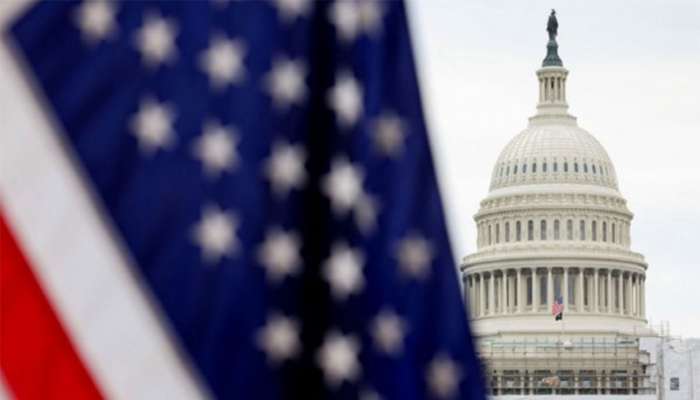
The US Senate has overwhelmingly passed a bill that could impose tariffs of up to 100% on goods from nations purchasing Russian oil and gas. Lawmakers stated the legislation aims to curb Russia's funding for its ongoing war in Ukraine. The bill, named the Lindsey O Graham Sanctioning Russia and Iran Act of 2026, passed with an 86-11 vote.
The US has been taking these kinds of actions.
This development poses significant challenges for India, a major importer of Russian oil. Since the Russia-Ukraine war began in 2022, India has increased its purchases of discounted Russian crude, which has become a vital alternative for its refiners amid global energy market disruptions. If the US imposes 100% tariffs on Indian goods, they would become considerably more expensive for American buyers, potentially driving them to seek other suppliers.
Generally, what we have seen is that these kinds of bills have opt-out clauses, where the president can certify that it is not going to implement this particular law simply because it’s not in the American national interest. Now, they would certainly have that opt-out clause.
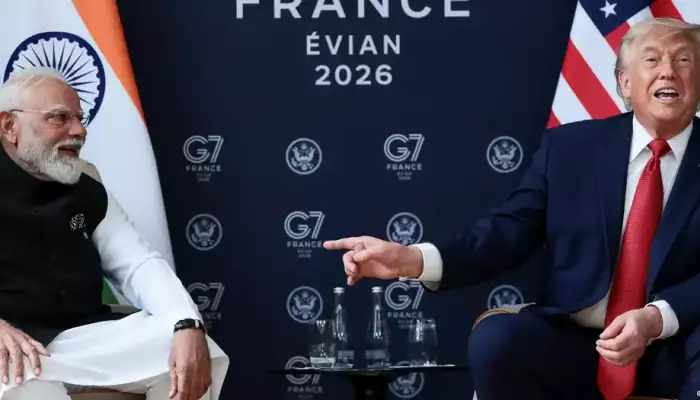
While the bill does not automatically enact tariffs, it grants US President Donald Trump the discretion to impose them. Foreign affairs experts are urging India to begin "de-risking" from the United States, viewing the mounting economic tensions as a potential permanent shift in bilateral relations rather than a temporary issue. They also criticized the legislation for its extraterritorial application of US laws.
Will the Americans impose the same law on China of a 100% tariff?
Expert Sushant Sareen noted that while Trump previously imposed a 25% tariff on India for buying Russian oil, future measures could be more severe. He pointed out that such bills often include opt-out clauses for the president if implementation is not in the US national interest. However, Sareen questioned whether the US would apply similar tariffs to China, anticipating retaliation. He stressed that India should abandon the notion that current friction is fleeting, suggesting it signals a more permanent breach in relations, though economic ties would not disappear entirely.
And chances are that they will not because the Chinese will retaliate...
DistantNews Editorial
Originally published by Times of Oman in English. Translated, summarized, and contextualized by our editorial team with added local perspective. Read our editorial standards.
More Stories

From Our Blog

What Gets Lost (and Found) When News Is Translated

The Critical Role of Diaspora Media in Global News

What Travellers Should Know About Countries with Restricted Press

A Digital Nomad's Guide to Following Local News

How the Same Story Looks Different in Different Countries
