

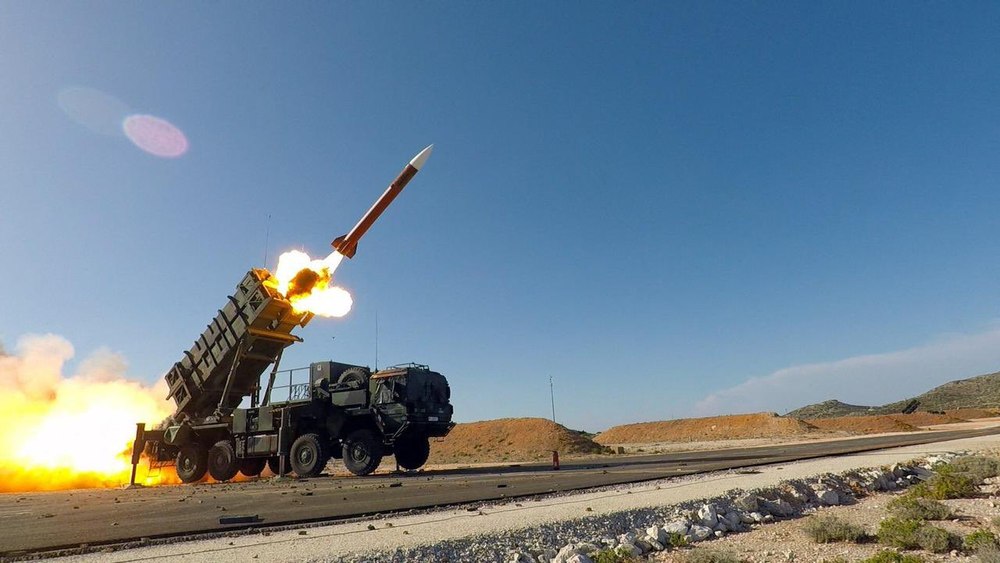
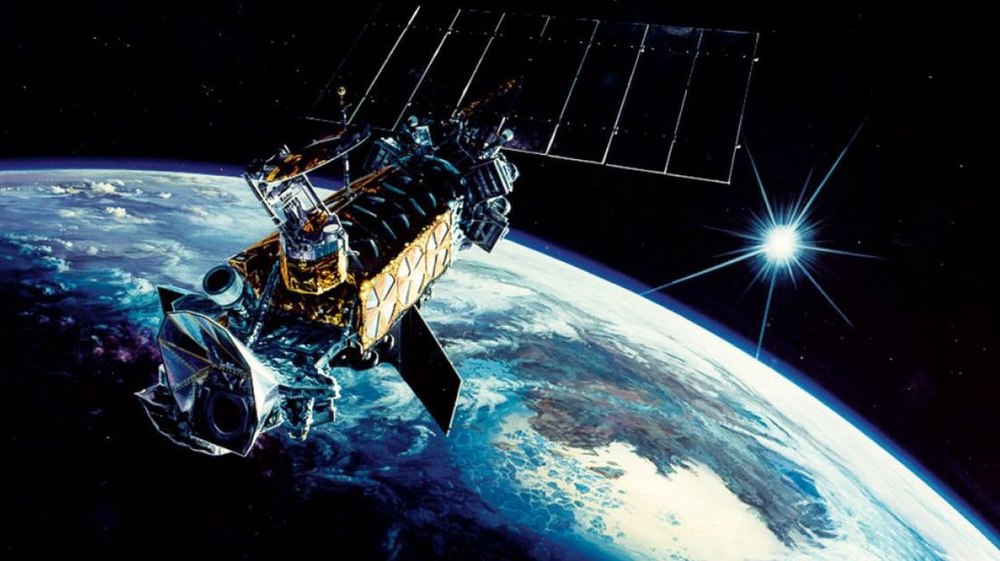
US simulation explores response to nuclear attack in space
Translated from Romanian, summarized and contextualized by DistantNews.
At a glance
Analysis
Named sources
Context piece
- A simulation near Washington D.C. explored the U.S. response to a nuclear weapon detonated in space.
- The exercise examined potential damage to satellites, escalation of global conflicts, and civilian impact.
- Experts discussed responsibility, satellite replacement, and avoiding nuclear war, highlighting the need for advanced radiation protection for space infrastructure.
An exercise near Washington D.C. simulated the United States' potential response to a nuclear weapon detonated in space, exploring the cascading effects on global security and civilian life. The simulation involved experts in defense, intelligence, and arms control grappling with a scenario where such an attack could cripple satellites, exacerbate existing conflicts in Europe and Asia, and disrupt essential services.
Participants faced critical questions about identifying the perpetrator, the speed at which the U.S. could replace lost satellites, and strategies for major powers to prevent escalation into full-scale nuclear war. The simulation also delved into the impact on civilian populations, examining reactions to disruptions in GPS systems, financial markets, and services reliant on space infrastructure.
The exercise aims to help decision-makers understand what the security environment might look like in the next five to ten years.
Organized by Fuse, a company specializing in fusion energy technologies, the event was not an official military exercise but a tabletop simulation designed to inform policymakers about future security environments. JC Btaiche, Fuse's CEO, told Axios that the exercise aimed to illustrate that nuclear threats can manifest beyond traditional ground-based scenarios, referencing the U.S. Starfish Prime test during the Cold War and Russia's alleged development of anti-satellite nuclear weapons.
A central theme of the simulation was the resilience of satellites and space infrastructure against the radiation produced by a space-based nuclear explosion. Two scenarios were analyzed: one with insufficient radiation protection leading to major losses for U.S. infrastructure, and another with better-protected systems, demonstrating the critical importance of investing in technologies that ensure satellite functionality under extreme conditions. The findings underscored the necessity of developing robust defenses for space assets.
When people hear the term 'nuclear weapon,' they first think of the bombings of Hiroshima and Nagasaki and assume such a scenario will not happen again. However, nuclear threats can take other forms.
DistantNews Editorial
Originally published by Adevărul in Romanian. Translated, summarized, and contextualized by our editorial team with added local perspective. Read our editorial standards.
More Stories

From Our Blog

What Gets Lost (and Found) When News Is Translated

The Critical Role of Diaspora Media in Global News

What Travellers Should Know About Countries with Restricted Press

A Digital Nomad's Guide to Following Local News

How the Same Story Looks Different in Different Countries
