


US Stocks Rally on US-Iran Deal Hopes for Lower Oil Prices
Translated from Danish, summarized and contextualized by DistantNews.
At a glance
News
From a news agency
New plan
- U.S. stock markets rose significantly following an announced agreement between the United States and Iran.
- The deal is expected to ease concerns about inflation by potentially lowering oil prices as the Strait of Hormuz may reopen.
- Major indices like the Dow Jones, Nasdaq, and S&P 500 saw substantial gains, with SpaceX experiencing a notable surge after its recent IPO.
American stock markets experienced a significant upswing on Monday, driven by the announcement of a diplomatic agreement between the United States and Iran. Investors reacted positively to the news, anticipating a stabilization of global energy markets.
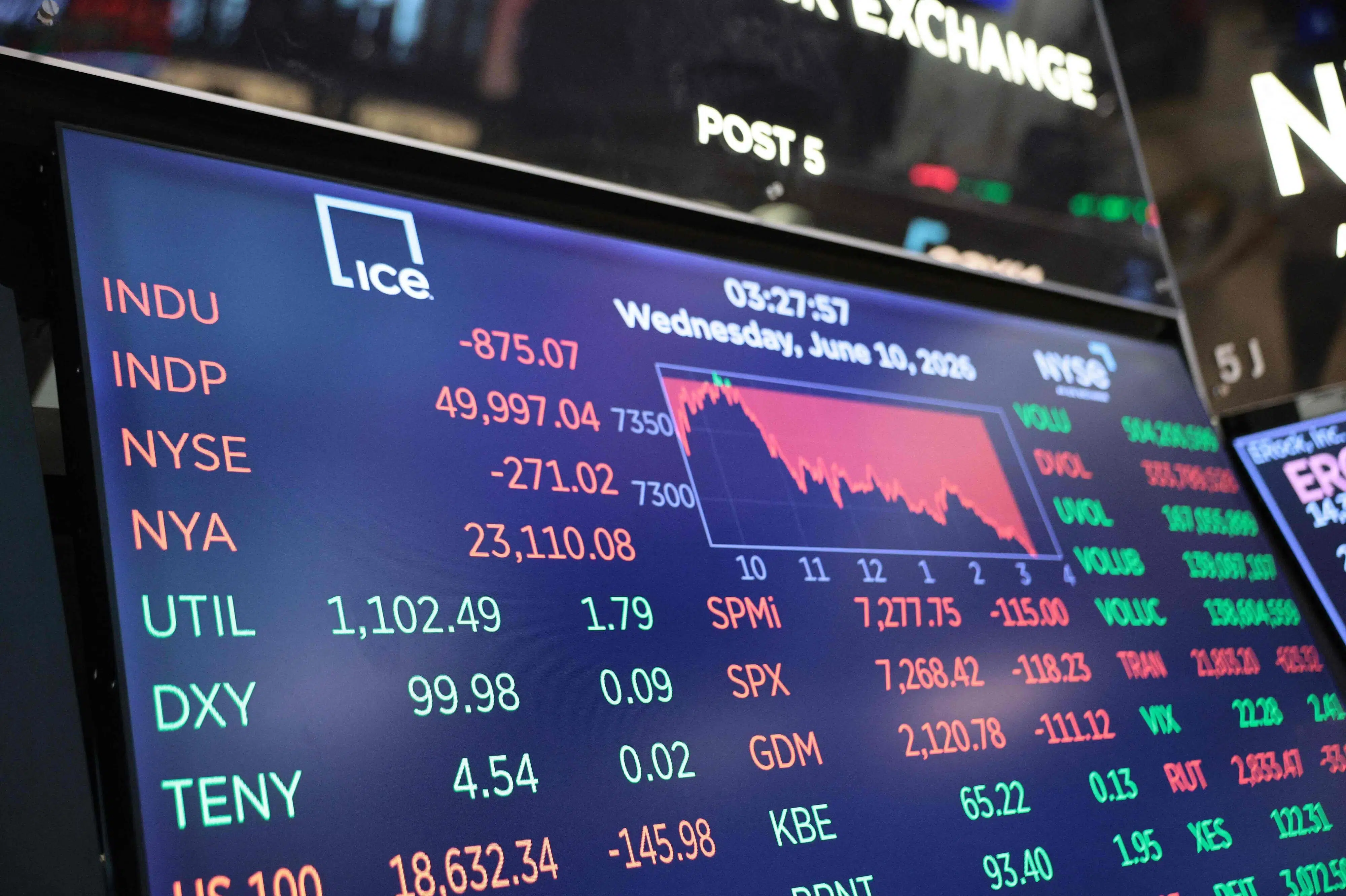
The Dow Jones Industrial Average climbed 0.92 percent, closing at a record high of 51,671.03. The technology-heavy Nasdaq index saw a robust increase of 3.07 percent, marking its largest single-day gain since March 31st. The broader S&P 500 index also advanced, rising 1.65 percent to 7,554.29.
Markets are rising on the back of relief. We have an agreement between the US and Iran, which causes oil prices to fall significantly.
The agreement, announced Sunday, has bolstered investor confidence in the potential reopening of the Strait of Hormuz, a critical chokepoint for global oil and gas transport. Approximately one-fifth of the world's oil and gas consumption passes through this waterway. Following the announcement, U.S. crude oil prices dropped by 4.9 percent, reaching their lowest level since March.
Gene Goldman, chief investment officer at Cetera Investment Management, noted that the deal alleviates concerns about further inflation. This reduction in geopolitical tension encourages investors to re-enter riskier assets, such as technology stocks. The positive market sentiment was further exemplified by SpaceX, whose stock surged 19.6 percent on its second day of trading after its initial public offering last Friday.
It dampens concerns about inflation, and it makes investors invest in risky assets like technology stocks again.
DistantNews Editorial
Originally published by Berlingske in Danish. Translated, summarized, and contextualized by our editorial team with added local perspective. Read our editorial standards.
More Stories



From Our Blog

What Gets Lost (and Found) When News Is Translated

The Critical Role of Diaspora Media in Global News

What Travellers Should Know About Countries with Restricted Press

A Digital Nomad's Guide to Following Local News

How the Same Story Looks Different in Different Countries
