

US Strikes Iran After Vessel Attacks in Strait of Hormuz; Tensions Rise During Khamenei's Funeral
Translated from Turkish, summarized and contextualized by DistantNews.
At a glance
News
Named sources
Ongoing story
- The U.S. military conducted airstrikes against Iran in response to attacks on three commercial vessels in the Strait of Hormuz.
- The U.S. also revoked Iran's oil sales permit, escalating tensions amid religious leader Ayatollah Ali Khamenei's funeral.
- Iran vowed to take "necessary measures" in retaliation, while missile alerts were issued in Bahrain and Kuwait.
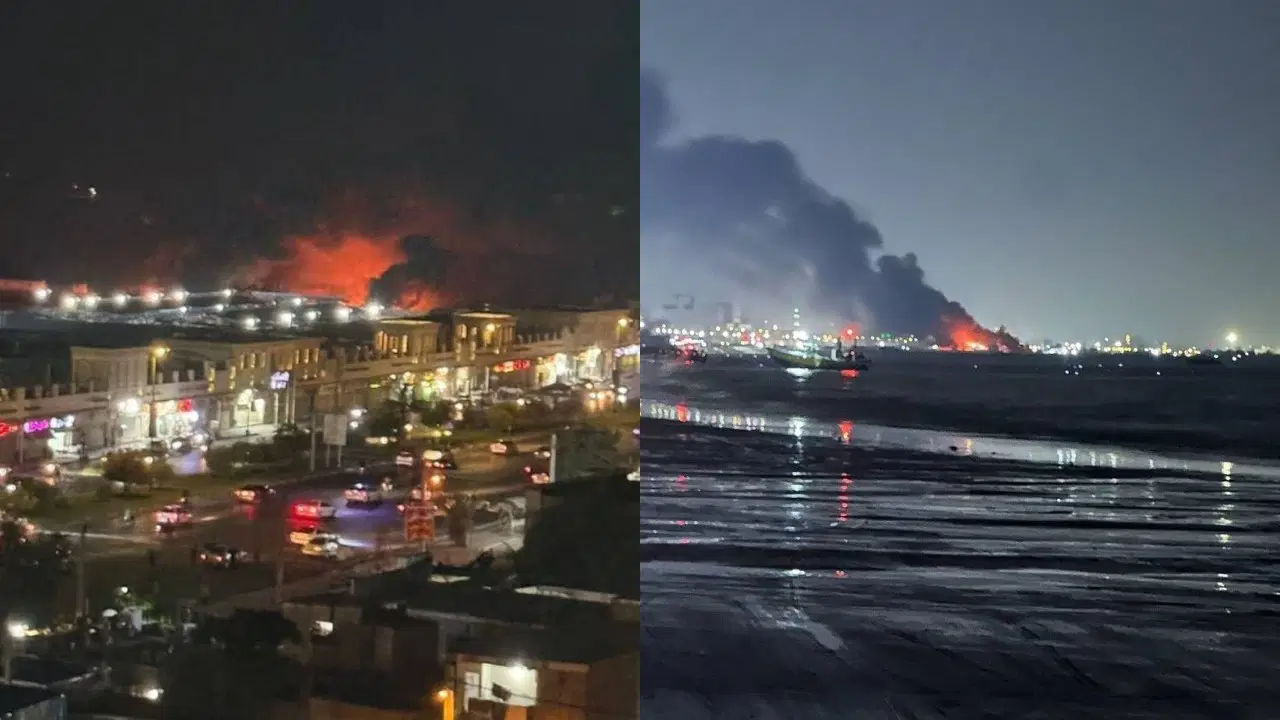
Tensions flared in the Strait of Hormuz as the U.S. military launched airstrikes against Iran early Wednesday, following Tehran's alleged attacks on three commercial vessels. The U.S. administration also rescinded a temporary permit allowing Iran to sell oil, further escalating the confrontation. Iran responded forcefully, vowing to take "any measures it deems necessary."
The heightened regional tension occurred while Iran was observing funeral ceremonies for its Supreme Leader, Ayatollah Ali Khamenei, who died on February 28. Reports indicated Iran retaliated with attacks targeting Bahrain and Kuwait, prompting missile alerts in both nations. The U.S. Central Command stated its strikes were intended to make Iran "pay a heavy price" for attacking commercial ships carrying innocent civilians in an international waterway.
The U.S. military conducted airstrikes against Iran, following Iran's announcement that it targeted three ships in the Strait of Hormuz.
According to the U.S. military, the strikes targeted Iranian air defense systems, radars, and over 60 small boats used by the Revolutionary Guard, which they claim were employed to harass vessels in the Strait of Hormuz. The U.S. warned that Iran would be held accountable if it failed to comply with the temporary agreement, announcing the end of the current wave of attacks.
The era of bullying and extortion is over. This will lead nowhere. We will not bow.
Iran confirmed the attacks but did not provide details on casualties. Iranian state media reported explosions in Bender Abbas, Qeshm, and Sirik. Iran's central military command labeled the U.S. action an "act of terrorism" and pledged a "resolute response." Parliament Speaker Mohammad Bagher Ghalibaf declared on X, "The era of bullying and extortion is over. This will lead nowhere. We will not bow."
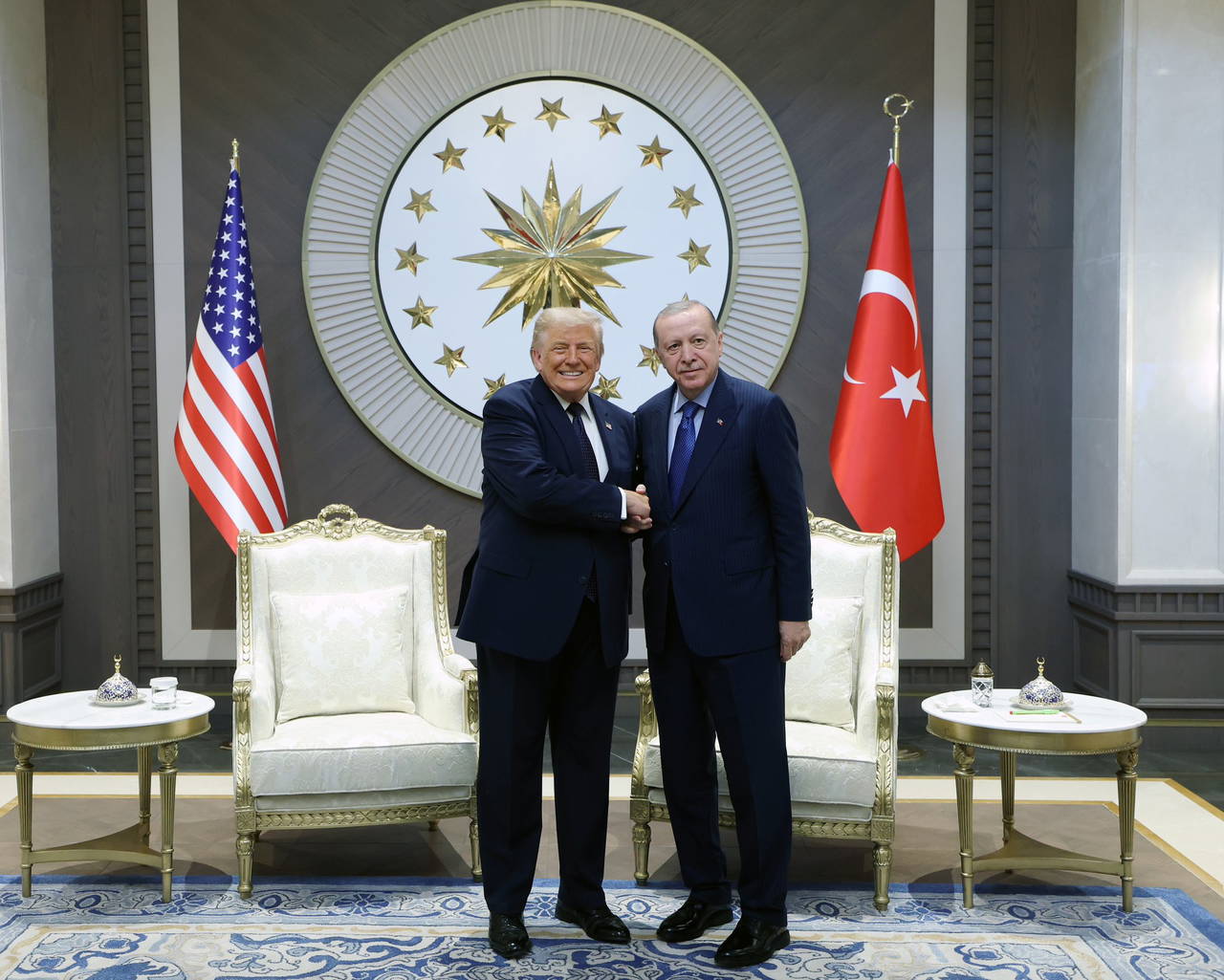
The U.S. strikes occurred while President Donald Trump was in Turkey for a NATO summit. The recent escalations follow a similar pattern from late last month, when U.S. retaliatory strikes followed Iranian attacks on ships, leading to Iranian responses targeting Bahrain and Kuwait.
Iran's armed forces will not allow interference in the affairs of the Strait of Hormuz under any circumstances, nor will they allow others to manage it.
DistantNews Editorial
Originally published by Cumhuriyet in Turkish. Translated, summarized, and contextualized by our editorial team with added local perspective. Read our editorial standards.
More Stories
From Our Blog

What Gets Lost (and Found) When News Is Translated

The Critical Role of Diaspora Media in Global News

What Travellers Should Know About Countries with Restricted Press

A Digital Nomad's Guide to Following Local News

How the Same Story Looks Different in Different Countries
