

US Strikes Iran Again, Bahrain Reports Intercepted Attacks Amid Rising Tensions
Translated from Greek, summarized and contextualized by DistantNews.
At a glance
News
Named sources
Ongoing story
- The United States conducted new attacks on military targets in Iran on Tuesday, aiming to neutralize "emerging threats."
- This follows extensive U.S. strikes on Iranian military infrastructure the previous day.
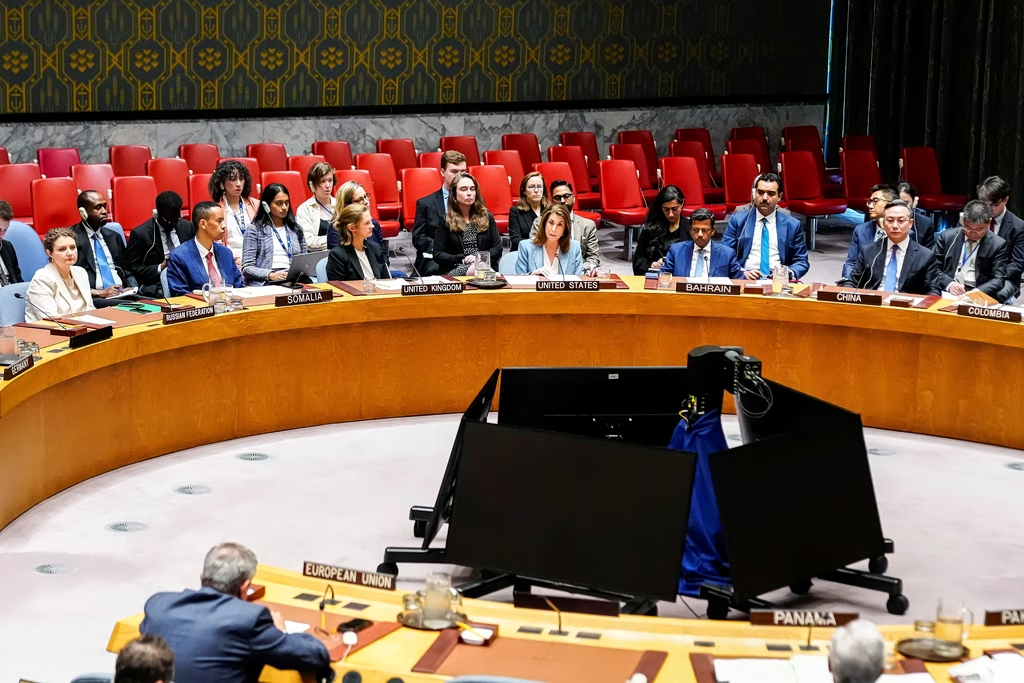
- Bahrain reported new air raid sirens and intercepted Iranian attacks, escalating regional tensions.
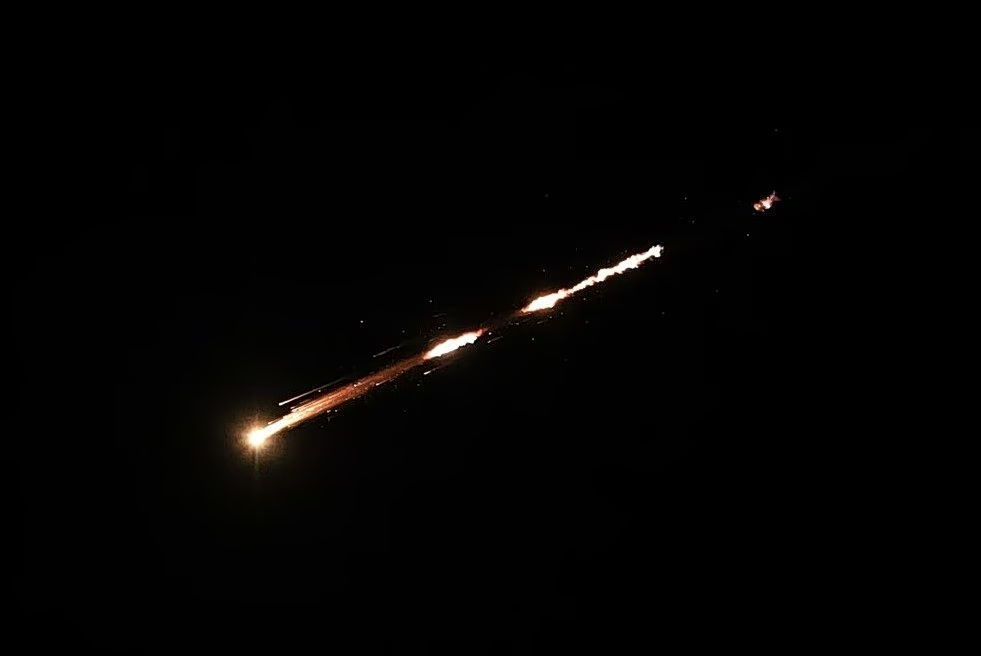
The United States carried out further strikes against military targets in Iran on Tuesday, with a U.S. official stating the objective was to neutralize "emerging threats." These actions come just a day after significant U.S. strikes hit Iranian military infrastructure.
The official provided no further details, describing the actions as "a few additional attacks" consistent with ongoing U.S. military operations in the region. Simultaneously, Bahrain experienced a renewed security alert, with air raid sirens sounding hours after authorities announced the interception of several Iranian attacks earlier in the day.
a few additional attacks
According to the U.S. military, a series of major attacks occurred on Monday, July 13, targeting coastal defense systems, missile facilities, unmanned aerial vehicles, and naval capabilities across various Iranian locations. These included areas such as Bushehr, Chabahar, Jask, Konarak, Abu Musa, and Bandar Abbas.
Iran's Revolutionary Guard condemned the U.S. actions, warning that "hostile U.S. actions in the region" would only serve to delay the reopening of the Strait of Hormuz. The new operations intensify the already strained climate in the Middle East, with both sides maintaining harsh rhetoric and issuing warnings of potential further escalation.
hostile U.S. actions in the region will have no other result than to delay the reopening of the Strait of Hormuz
DistantNews Editorial
Originally published by Ta Nea in Greek. Translated, summarized, and contextualized by our editorial team with added local perspective. Read our editorial standards.
More Stories

From Our Blog

What Gets Lost (and Found) When News Is Translated

The Critical Role of Diaspora Media in Global News

What Travellers Should Know About Countries with Restricted Press

A Digital Nomad's Guide to Following Local News

How the Same Story Looks Different in Different Countries
