

US Strikes Iran, Restores Naval Blockade Amid Escalating Regional Tensions
Translated from Spanish, summarized and contextualized by DistantNews.
At a glance
News
Named sources
Ongoing story
- The U.S. launched new airstrikes on Iranian port cities and announced the reinstatement of a naval blockade.
- Iran responded with attacks on regional countries, including Jordan and Bahrain, and on two UAE oil tankers.
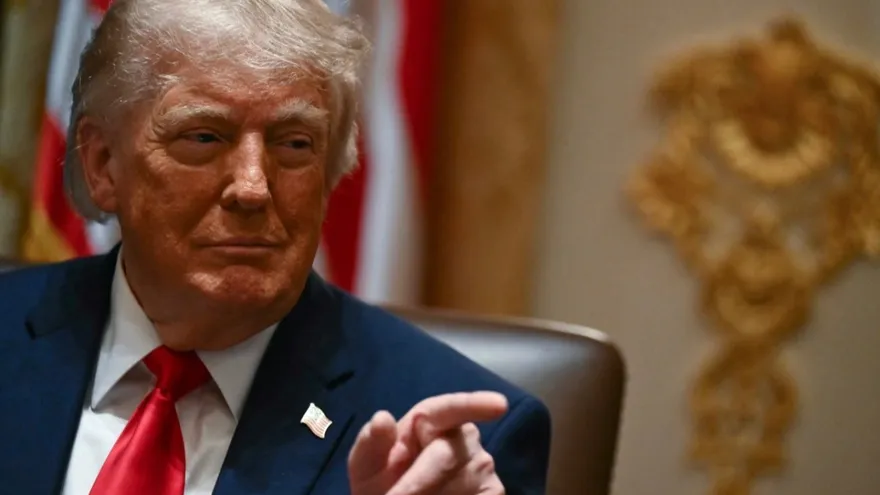
- Despite escalating hostilities, U.S. President Trump stated that a deal with Iran remains "possible," while diplomatic efforts continue.
The United States carried out new airstrikes on Iranian port cities Tuesday and announced the re-establishment of a naval blockade on the Islamic Republic's ports. This escalation prompted Tehran to retaliate with attacks on regional countries. The renewed strikes, described as unprecedented in scale since an April ceasefire, have jeopardized a fragile agreement signed on June 17, although U.S. President Trump indicated that a deal is still "possible."
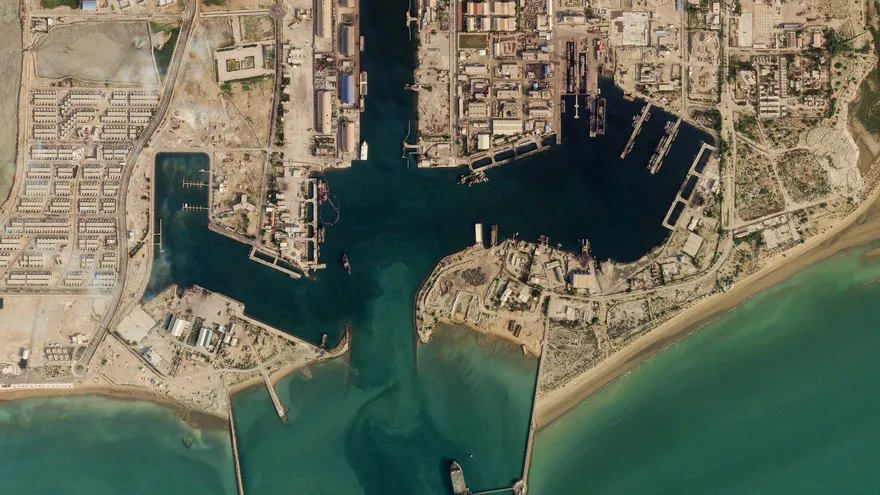
During a five-hour operation, U.S. Central Command (Centcom) reported that American forces bombed "military targets" in southern Iranian port cities such as Bushehr and Bandar Abbas. President Trump had previously declared, "We are going to hit them hard tonight, and we are going to hit them hard tomorrow." He officially notified Congress last week about the conflict's resumption, which began on February 28 with Israeli-American attacks. According to Iran's Fars news agency, an environmental agency building in the Hormozgan region was hit, resulting in the death of a park ranger's family. State television also reported five explosions near the Strait of Hormuz. In total, 28 people have died since hostilities resumed last Wednesday, according to an AFP count based on Iranian media and official sources.
We are going to hit them hard tonight, and we are going to hit them hard tomorrow.
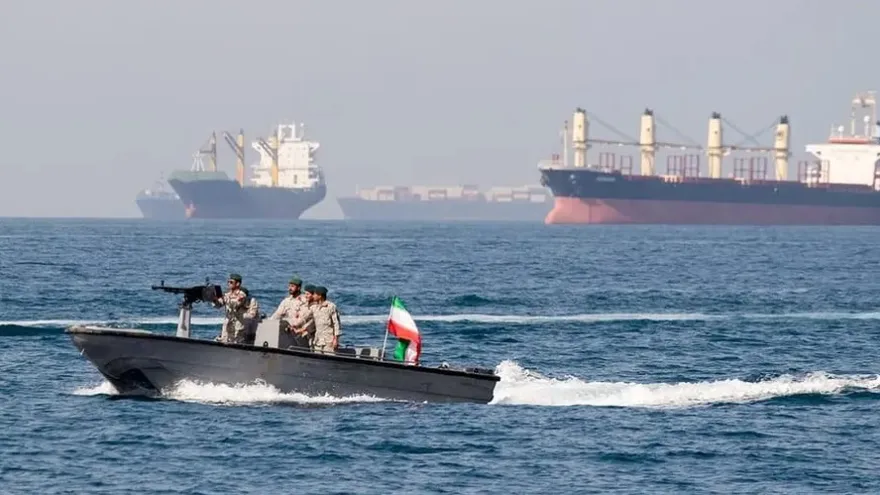
Iran's Revolutionary Guard Corps claimed responsibility for operations in Bahrain, including an attack on a residential building housing U.S. forces at the Juffair base. They also announced attacks on "key facilities and U.S. forces at an airbase" in Jordan, as reported by the Tasnim agency. Amman confirmed intercepting four missiles. In the Strait of Hormuz, the United Arab Emirates, a U.S. ally, reported that Iran attacked two of its oil tankers, causing one crew member's death. The British Maritime Trade Operations (UKMTO) reported an attack but did not specify if it was the same incident.
Hossein, a 43-year-old vendor in Tehran, expressed the sentiment of many: "It's clear that it doesn't feel good to see your country at war. But we will defend ourselves as we have in the past." Despite the ongoing hostilities, President Trump reiterated his belief that a deal with Iran is achievable, and Iranian diplomacy has stated that mediation efforts are ongoing. The U.S. president's announcement of reinstating the blockade on Iranian ports is intended to exert pressure on Iran and is set to take effect soon.
It's clear that it doesn't feel good to see your country at war. But we will defend ourselves as we have in the past.
DistantNews Editorial
Originally published by TVN Panamá in Spanish. Translated, summarized, and contextualized by our editorial team with added local perspective. Read our editorial standards.
More Stories

From Our Blog

What Gets Lost (and Found) When News Is Translated

The Critical Role of Diaspora Media in Global News

What Travellers Should Know About Countries with Restricted Press

A Digital Nomad's Guide to Following Local News

How the Same Story Looks Different in Different Countries
