

US Strikes Iran, Revokes Oil Sanctions Waiver After Tanker Attacks
Translated from English, summarized and contextualized by DistantNews.
At a glance
News
Named sources
Ongoing story
- The U.S. military launched new strikes against Iran and revoked an oil sanctions waiver following attacks on three tankers in the Strait of Hormuz.
- The strikes targeted Iranian air defense systems, surveillance systems, missiles, and drone launch sites, with Iranian media reporting explosions and injuries.
- Washington's move to revoke the waiver increases pressure on Tehran amid ongoing negotiations, with oil prices rising in response.
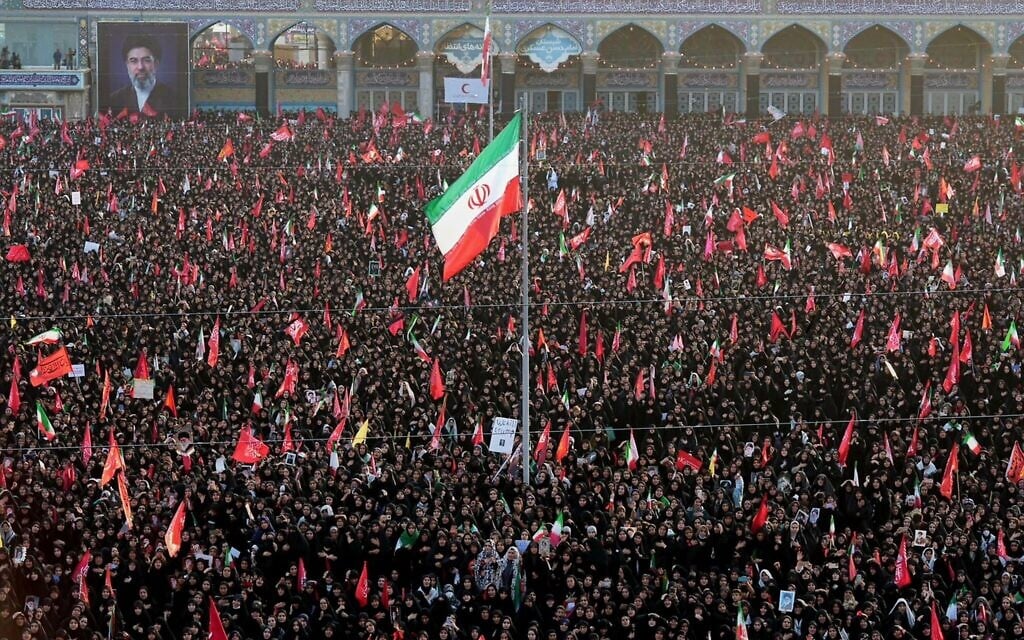
The United States military conducted a new series of strikes against Iran and revoked a crucial oil sanctions waiver on Tuesday, escalating pressure on Tehran after three commercial tankers were attacked in the Strait of Hormuz. The military action came after a day of mourning for Iran's slain supreme leader, Ayatollah Ali Khamenei.
Iran’s demonstrated aggression was unwarranted, dangerous, and a clear violation of the ceasefire.
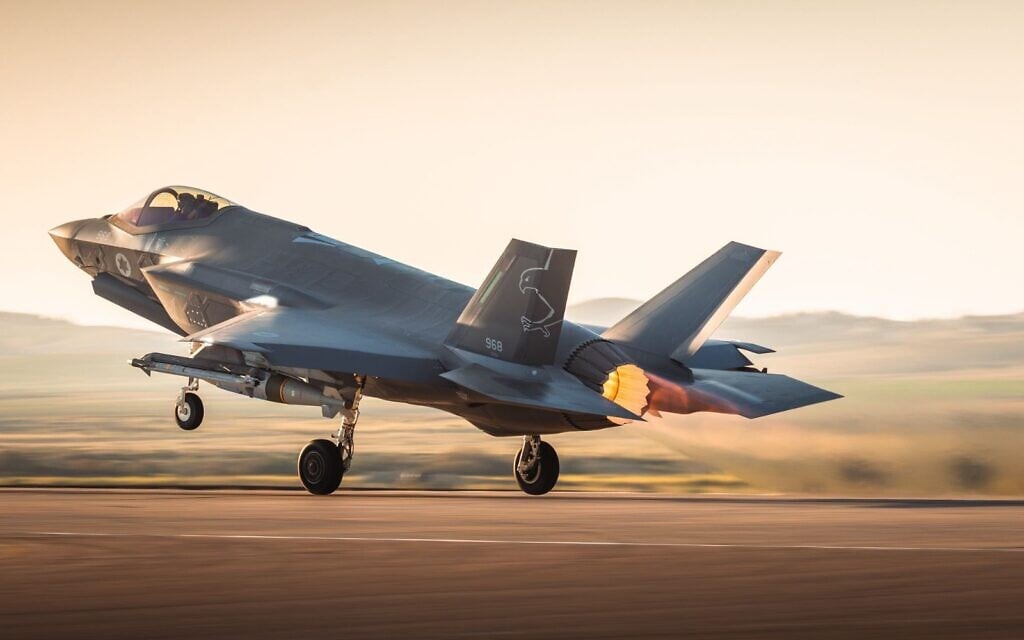
U.S. Central Command announced the "powerful" strikes were intended to impose significant costs for Iran's "unwarranted, dangerous, and clear violation of the ceasefire" through attacks on commercial shipping. Iranian state media reported explosions in port cities including Sirik and Bandar Abbas early Wednesday, with several people injured by shrapnel and fishing boats set ablaze. A U.S. official stated the strikes targeted Iranian air defense systems, coastal surveillance, surface-to-air missiles, anti-ship cruise missiles, and drone launch sites.
Iran’s actions in the Strait were wholly unacceptable to the United States and will be met with consequences.
The revocation of the temporary sanctions waiver, which had allowed Iran to sell oil, came as negotiations between the U.S. and Iran continue over a final settlement. A U.S. official emphasized that the waiver was "performance-based" and that Tehran would only see benefits through "good behavior." Oil prices saw an increase of over 3% following the U.S. announcement.
the U.S.-Iran memorandum of understanding was “entirely performance-based,” warning that Tehran would see benefits only if it showed “good behavior.”
Iran's foreign ministry condemned the waiver revocation as a breach of the framework agreement to end the war, holding Washington responsible for the consequences. Analysts suggest Iran uses attacks on ships to leverage its control over the vital Strait of Hormuz during negotiations. The U.S. Treasury had issued the waiver on June 22, allowing Iranian oil sales through August 21, but the revocation gives Iran until July 17 to wind down transactions.
Iran is issuing
DistantNews Editorial
Originally published by Times of Israel in English. Translated, summarized, and contextualized by our editorial team with added local perspective. Read our editorial standards.
More Stories


From Our Blog

What Gets Lost (and Found) When News Is Translated

The Critical Role of Diaspora Media in Global News

What Travellers Should Know About Countries with Restricted Press

A Digital Nomad's Guide to Following Local News

How the Same Story Looks Different in Different Countries
