


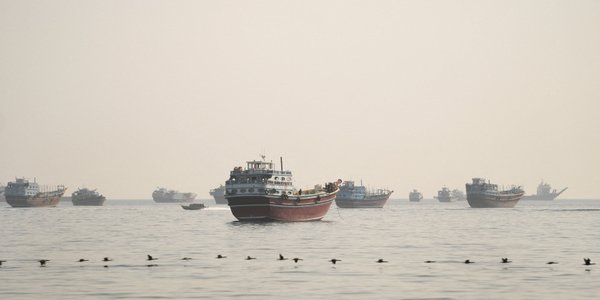
US Strikes Iran, Tehran Closes Strait of Hormuz; US Denies Closure
Translated from Polish, summarized and contextualized by DistantNews.
At a glance
News
Named sources
Ongoing story
- The US conducted "additional self-defense strikes" against targets in Iran, citing ongoing Iranian aggression.
- Iran announced it is closing the Strait of Hormuz to all tankers and commercial vessels, threatening to attack any ship attempting passage.
- The US military denies the Strait of Hormuz is closed, stating commercial ships can still transit the waterway.
The United States Central Command (CENTCOM) announced early on June 11 that it had completed "additional self-defense strikes against numerous targets in Iran ordered by the Commander-in-Chief." The strikes aimed to degrade Iran's reconnaissance capabilities, communication systems, and air defense positions across the country. CENTCOM stated the targets posed a threat to U.S. troops and international shipping lanes in the region, calling the strikes a response to "unprovoked and continuous aggression by Iran."
Iranian media reported explosions on Qeshm Island and Hengam Island, both located in the Strait of Hormuz area. Explosions were also heard near the port of Bandar Abbas, its airport, and an air force base. Mehr agency reported blasts near the port of Kangan, while Press TV reported missiles hitting the port of Sirik.
In retaliation, Iranian media claimed the Iranian army attacked the U.S. Fifth Fleet command in Bahrain. Bahrain's Interior Ministry confirmed an air alert was declared in the country. This follows a previous U.S. strike on June 9-10, which occurred after reports of an American Apache combat helicopter crashing in the Strait of Hormuz area on June 8, allegedly shot down by an Iranian kamikaze drone.
Meanwhile, Iran's joint military command declared the Strait of Hormuz closed to tankers and commercial ships, threatening to attack any vessel attempting passage. This declaration caused oil prices to rise, with Brent crude increasing by 2.47% to $95.4 per barrel and WTI by 2.89% to $92.63 per barrel. The U.S. military, however, denied the closure, asserting that commercial vessels can still navigate the strait. Iran has been blocking the Strait of Hormuz since February 28, when it was attacked by the U.S. and Israel, though it had recently allowed passage for friendly nations' tankers and cargo ships for a transit fee.
cieśnina Ormuz zostaje zamknięta, a blokada dotyczy tankowców i statków handlowych.
DistantNews Editorial
Originally published by Rzeczpospolita in Polish. Translated, summarized, and contextualized by our editorial team with added local perspective. Read our editorial standards.
More Stories


From Our Blog

What Gets Lost (and Found) When News Is Translated

The Critical Role of Diaspora Media in Global News

What Travellers Should Know About Countries with Restricted Press

A Digital Nomad's Guide to Following Local News

How the Same Story Looks Different in Different Countries
