

US targets Iran with fresh sanctions over Strait of Hormuz 'extortion scheme'
Summarized and contextualized by DistantNews.
At a glance
News
Official statement
Context piece
- The U.S. has imposed new sanctions on entities linked to Iran's Revolutionary Guards, accusing them of an "extortion scheme" in the Strait of Hormuz.
- The sanctions target eight oil tankers and 10 corporate entities involved in illicit petroleum trade and Iran's "shadow fleet."
- U.S. officials state the move aims to cripple Iran's economy and prevent it from monetizing the vital waterway.
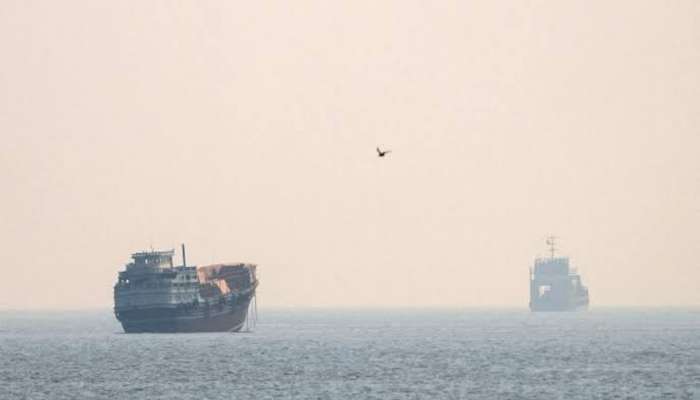
The United States has intensified its pressure campaign against Iran by imposing fresh sanctions on entities connected to the Islamic Revolutionary Guard Corps. Washington accuses these entities of operating an "extortion scheme" targeting commercial vessels transiting the Strait of Hormuz, a critical chokepoint for global energy transport.
The U.S. Treasury Department announced that the punitive measures affect eight oil tankers and 10 corporate entities. These actions are part of the administration's "maximum pressure" strategy aimed at crippling Iran's illicit oil trade and its covert "shadow fleet." Officials stated the sanctions target "the Iranian regime's desperate efforts to monetise the Strait of Hormuz and prop up the nation's failing economy."
These entities manufacture risk, including the threat of vessel seizures, and then charge commercial vessels for coverage against dangers created by the regime itself.
According to U.S. authorities, Tehran has been forcing merchant shipping to purchase mandatory "insurance" policies before navigating the strait. These policies are allegedly backed by Revolutionary Guard forces, who create the risk, including the threat of vessel seizures, and then charge for protection against those manufactured dangers. The sanctions specifically name the Arabian Gulf Marine Insurance Company and the HormuzSafe Marine Services Authority, both alleged to have direct ties to the Revolutionary Guard.
In addition to these entities, eight shipping firms face sanctions for allegedly managing tankers that transported Iranian crude oil and petrochemical products to China and the United Arab Emirates, violating existing U.S. economic restrictions. These vessels are described as part of Iran's "shadow fleet," crucial for the regime to maintain oil revenues despite international trade bans. Treasury Secretary Scott Bessent commented, "With its economy in freefall and inflation in the triple digits, the regime is desperate for cash."
With its economy in freefall and inflation in the triple digits, the regime is desperate for cash.
DistantNews Editorial
Originally published by Times of Oman. Summarized and contextualized by our editorial team with added local perspective. Read our editorial standards.
More Stories

From Our Blog

What Gets Lost (and Found) When News Is Translated

The Critical Role of Diaspora Media in Global News

What Travellers Should Know About Countries with Restricted Press

A Digital Nomad's Guide to Following Local News

How the Same Story Looks Different in Different Countries
