


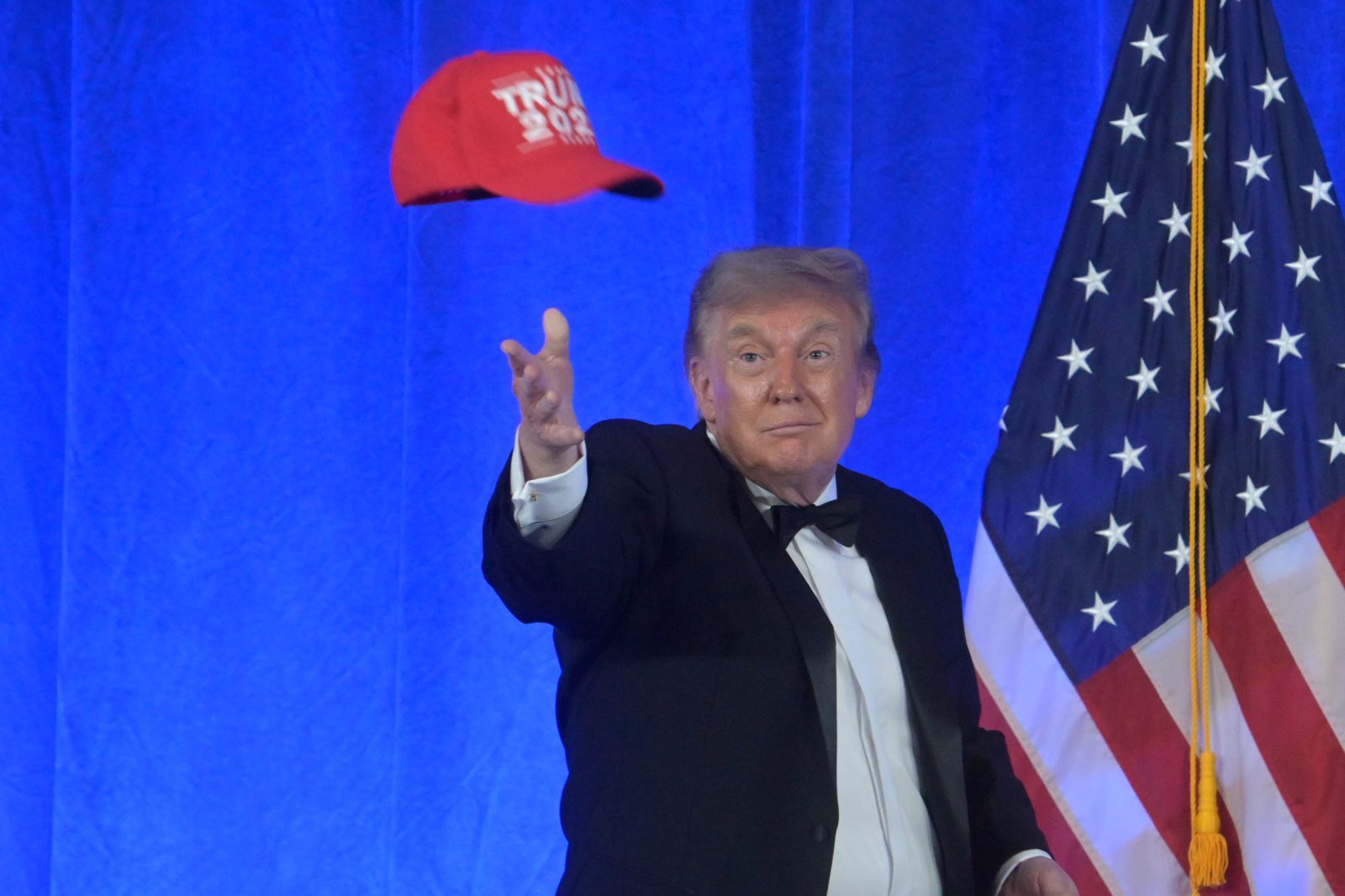
US Tariffs Over Forced Labor Spark Global Backlash Over Lack of Evidence
Translated from Korean, summarized and contextualized by DistantNews.
At a glance
News
From a news agency
Context piece
- The U.S. imposed tariffs on 60 countries, citing concerns over forced labor, but critics question the transparency and basis of the tariff calculations.
- Countries like Brazil and Australia have criticized the U.S. measures as arbitrary and lacking transparency, demanding clearer justifications.
- The U.S. itself faces challenges in controlling imports of goods produced by forced labor, raising questions about the effectiveness and fairness of the new tariffs.
The United States has imposed tariffs of 10-12.5% on goods from 60 countries, citing the 1974 Trade Act and alleging insufficient efforts to combat forced labor. Countries with existing laws banning imports of goods made with forced labor face a 10% tariff, while those without such regulations are hit with 12.5%. South Korea, for example, faces a total of 12.5% in tariffs.
The measure is arbitrary and unfair.
This move has drawn sharp criticism from several nations. Brazil, which received a 12.5% tariff, called the measure "arbitrary and unfair," accusing the U.S. of distorting international labor and human rights standards for its trade policy. Australia also questioned the tariffs' legitimacy, with Trade Minister Don Farrell emphasizing Australia's commitment to combating modern slavery.
The U.S. Trade Representative's office (USTR) conducted a four-month investigation but has not disclosed specific criteria for the tariff rates. While the USTR claims to have consulted with the 60 countries, held hearings, and considered over 2,100 comments, details remain confidential. Experts point out that while identifying countries with import bans on forced labor goods is straightforward, assessing the actual enforcement levels and the precise reasons for non-compliance is difficult.
Australia is a country that takes modern slavery more seriously than any other country in the world, and will continue to do so.
Scott Lincicome of the Cato Institute noted a "lack of concrete evidence" to support the tariff rates, questioning the rationale for targeting European nations, Norway, and Switzerland. The U.S. itself has faced issues with controlling forced labor imports, as evidenced by a 2015 investigation revealing seafood from Southeast Asian fisheries produced with forced labor entering U.S. markets. Similarly, palm oil from Asia linked to labor exploitation was found in the supply chains of global companies reaching the U.S. in 2020.
There is little concrete evidence to support the tariff rates.
Some advocate for a more comprehensive approach, including clear, measurable standards for tariffs and support programs to help countries implement forced labor bans. Jonathan Gold of the National Retail Federation stressed the need for clear criteria, while Kenya Davis of law firm Boyeshellexner suggested increased transparency in investigations and assistance programs for nations enacting prohibitions.
We need clear and measurable standards related to tariffs.
DistantNews Editorial
Originally published by Dong-A Ilbo in Korean. Translated, summarized, and contextualized by our editorial team with added local perspective. Read our editorial standards.
More Stories

From Our Blog

What Gets Lost (and Found) When News Is Translated

The Critical Role of Diaspora Media in Global News

What Travellers Should Know About Countries with Restricted Press

A Digital Nomad's Guide to Following Local News

How the Same Story Looks Different in Different Countries
