


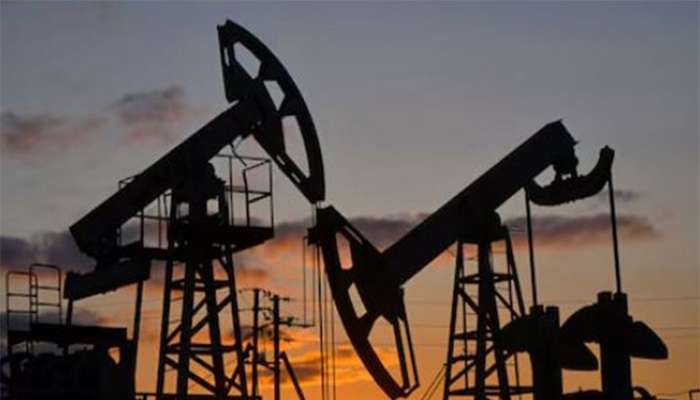
US temporarily lifts Iran oil sanctions for 60 days
Translated from English, summarized and contextualized by DistantNews.
At a glance
News
Sources not specified
Context piece
- The United States has temporarily lifted sanctions on Iranian oil and petrochemical exports for 60 days, allowing Tehran to engage with international partners and receive dollar payments.
- This sanctions relief is expected to benefit Iran by enabling easier transactions and potentially lowering export costs, with China being a major beneficiary.
- The move has contributed to a drop in crude oil prices due to eased supply pressure, though global energy markets remain sensitive to ongoing U.S.-Iran peace talks.
The United States has granted a temporary 60-day waiver on sanctions targeting Iran's oil and petrochemical exports, a significant move that allows Tehran to freely conduct business with international trading partners and even receive payments in U.S. dollars. The waiver, effective until August 21, 2026, coincides with ongoing deliberations between the U.S. and Iran aimed at securing a durable peace deal.
Iranian Foreign Minister Seyed Abbas Araghchi announced the easing of sanctions, noting that oil and petrochemical exports are now waived, the "blockade lifted," some frozen assets released, and a major reconstruction plan launched for Iran. This relief is particularly beneficial for Iran, as financial intermediaries, previously hesitant due to fear of U.S. reprisals, can now facilitate transactions. The sanctions relief encompasses banking, insurance, and shipping services linked to Iranian oil exports, potentially making Iranian crude more competitive by reducing costs.
China, a major importer of Iranian oil even under previous sanctions, stands to be the biggest beneficiary. The lifting of sanctions allows China to make direct payments to Iran and build strategic oil reserves. The development has also influenced global energy markets, contributing to a sell-off in crude oil prices. Brent crude traded around $77.7 per barrel, and U.S. WTI at $73.9 per barrel on Tuesday, as easing supply pressure met muted demand from China.
Furthermore, the U.S. sanctions relief opens the door for Iranian oil imports into the U.S. itself, a scenario not seen in decades. Iran could generate substantial dollar revenue through these sales, although President Trump indicated that funds would be used for purchasing American agricultural products. Despite ongoing negotiations, Iranian crude oil exports have increased, with maritime intelligence firm Windward reporting the highest volume departing the Middle East Gulf since May 1. The reopening of the Strait of Hormuz may stabilize energy markets, but the situation remains contingent on the progress of U.S.-Iran peace talks.
Oil and petrochem exports are waived, blockade lifted, some frozen assets released, and a major reconstruction & development plan launched for Iran
DistantNews Editorial
Originally published by Times of Oman in English. Translated, summarized, and contextualized by our editorial team with added local perspective. Read our editorial standards.
More Stories


From Our Blog

What Gets Lost (and Found) When News Is Translated

The Critical Role of Diaspora Media in Global News

What Travellers Should Know About Countries with Restricted Press

A Digital Nomad's Guide to Following Local News

How the Same Story Looks Different in Different Countries
